
Skin insights you can actually trust.
Plainspoken articles on skincare, conditions, and hair — written by our clinical team and reviewed by board-certified dermatologists. No miracle ingredients, no empty promises.

Myth #5: Do DIY Acne Treatments Actually Work?
 By Telederm Clinical Team, MD | RPh | PharmD | FAAD
Skincare, without the noise.

What's actually happening on your skin.
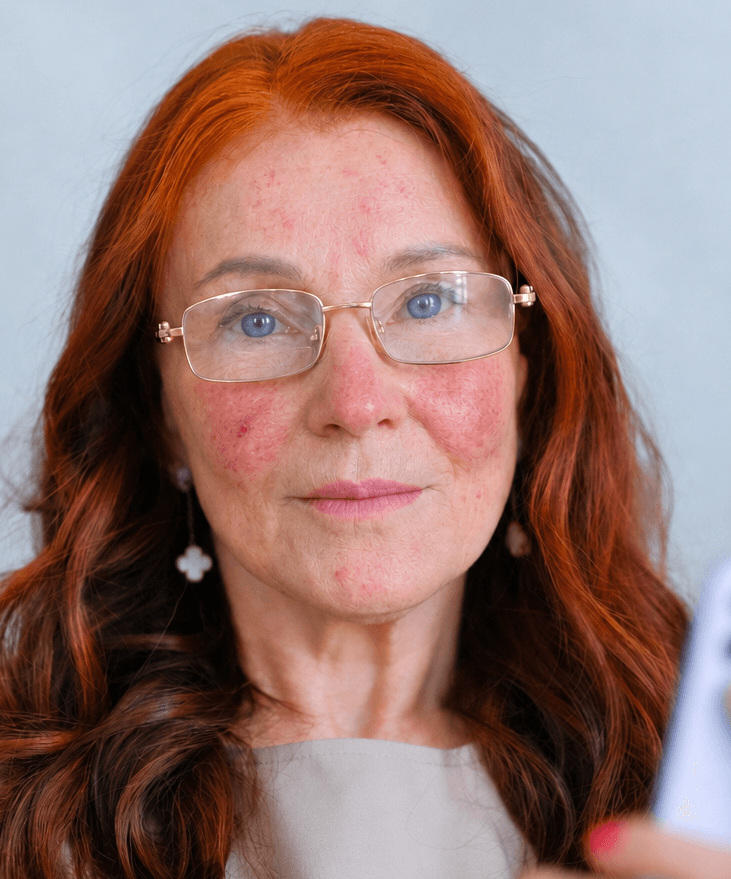
Rosacea Triggers You Might Be Overlooking
You've switched your cleanser, started wearing sunscreen, and even reconsidered your morning coffee. So why is your rosacea still flaring? Explore 10 everyday triggers you might be overlooking and learn how to recognize the patterns that matter for your skin.
Telederm Clinical Team · Oct 21, 2026
One Ingredient, A Lot of Jobs: What Niacinamide Can Do for Your Skin
From supporting the skin barrier to helping with oiliness, dark spots, redness, and signs of aging, here’s what this popular skincare ingredient can actually do.
Telederm Clinical Team · Sep 30, 2026
Your Skin Remembers: What Years of Sun Exposure Leave Behind
The sunburn may disappear and the tan may fade, but your skin can carry signs of UV exposure for years. Here’s what cumulative sun exposure can leave behind, why some changes appear later, and why protecting your skin still matters.
Telederm Clinical Team · Sep 30, 2026When It’s Not Acne: Understanding Rosacea
Rosacea and acne can look surprisingly similar, but treating the wrong condition can mean months or even years of frustration. Learn what sets rosacea apart, why it’s often mistaken for other skin conditions, and how the right diagnosis can change the treatment approach.
Vitiligo Treatment Has Changed: Understanding Today’s Options
Vitiligo treatment has evolved as researchers learn more about the immune pathways behind pigment loss. From established topical therapies and phototherapy to newer JAK-targeted approaches, understanding the options can help patients have more informed conversations about treatment.
Not All Warts Are the Same: A Surprisingly Interesting Guide to Warts
Warts are more interesting than they get credit for. From common and plantar warts to flat and filiform varieties, learn what causes them, why they look so different, how they spread, and a few facts you probably didn’t know.
When Acne Leaves a Mark: Scarring vs. Discoloration
A breakout can leave behind more than one kind of reminder. Some spots are changes in color, while others involve the texture of the skin itself. Understanding the difference can help make sense of what you’re seeing after acne clears.
Every essay we've published.
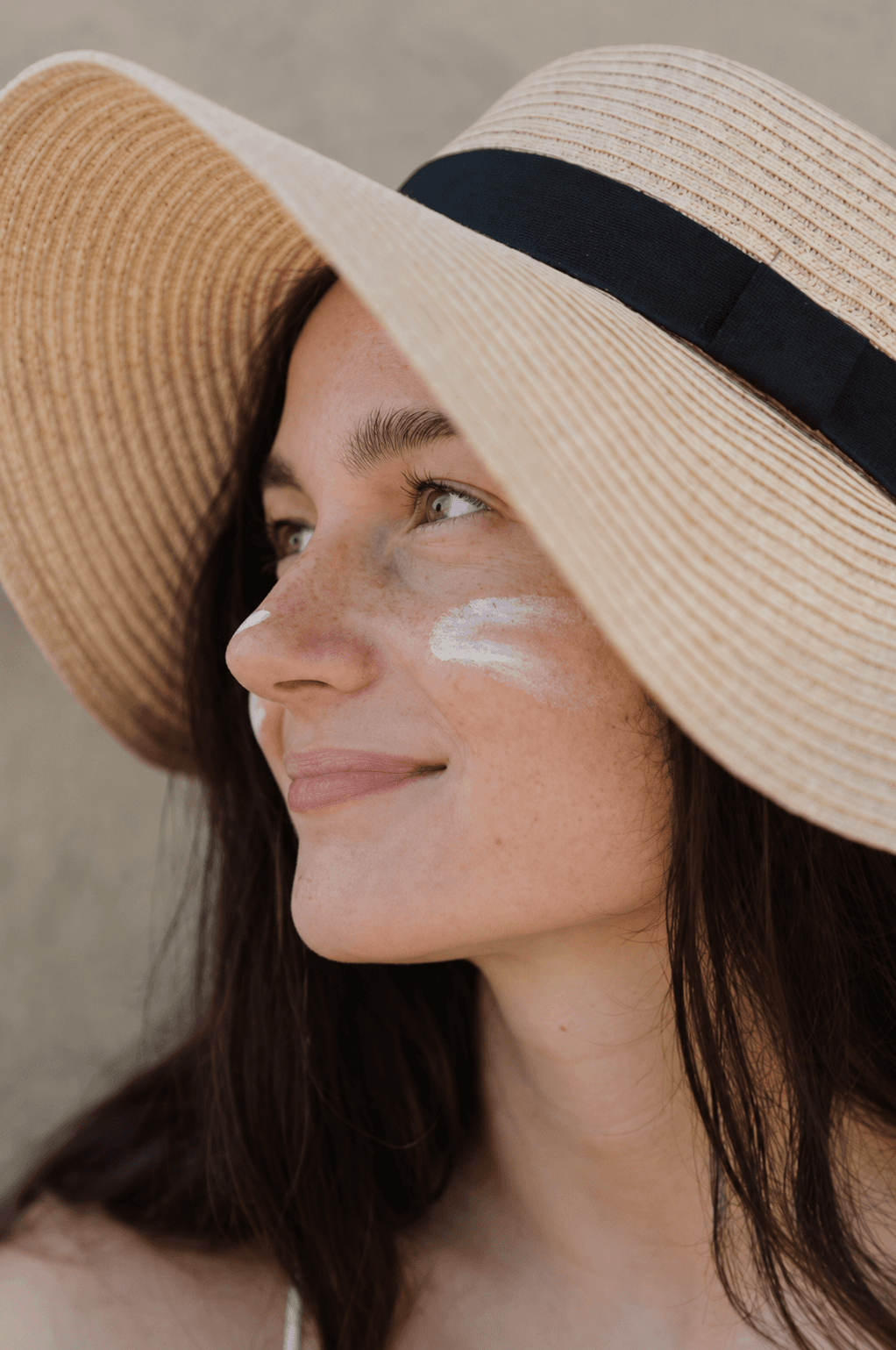
Why Your Sunscreen Leaves a White Cast (And How to Avoid It)
Does your sunscreen leave behind a chalky, white, or grayish residue? Discover why mineral sunscreens can create a white cast, how tinted formulas can help, and simple ways to find sun protection that looks and feels better on your skin.
Telederm Clinical Team · Oct 28, 2026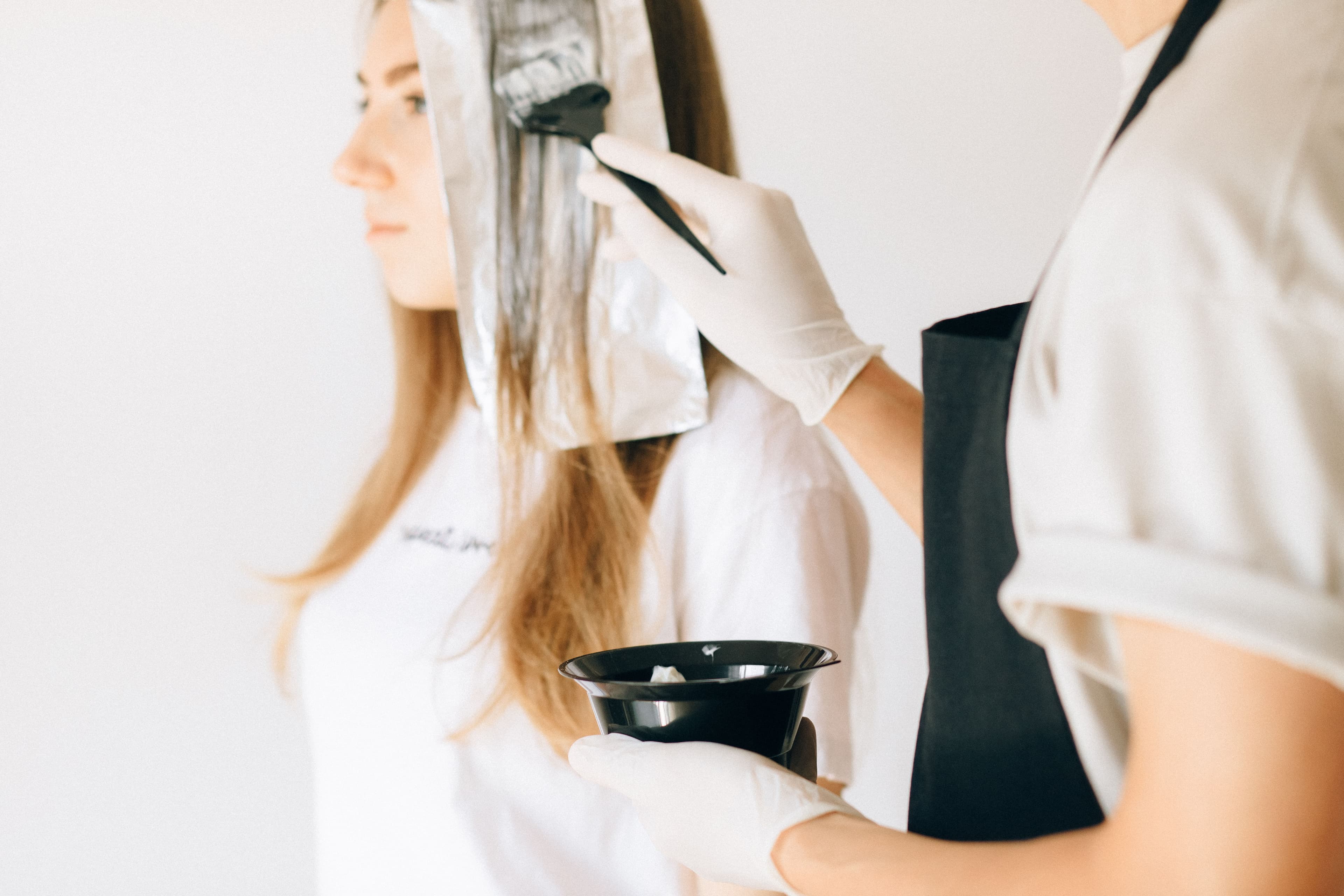
Can Hair Dye Cause Hair Loss? How to Prevent Damage
Is your latest hair color responsible for thinning or breakage? Bleaching and coloring can weaken hair strands, but that doesn't always mean you're losing hair from the root. Learn how chemical treatments affect your hair and scalp, how to reduce damage, and what to know if you're using topical hair-growth medications.
Telederm Clinical Team · Oct 28, 2026
Room Temperature or Refrigerate? Why Medication Storage Matters
Most of us don't give medication storage much thought. We pick up a prescription, bring it home, and put it wherever it's convenient. Maybe that's the bathroom...
Telederm Clinical Team · Oct 27, 2026
Azelaic Acid Does More Than Treat Acne: Here’s What It’s Used For
Azelaic acid might not get as much attention as other skincare ingredients, but its versatility is hard to ignore. From treating acne and rosacea to addressing dark spots and uneven pigmentation, discover why this ingredient has become a staple in dermatology.
Telederm Clinical Team · Oct 27, 2026
What Is a Compounding Pharmacy, and Why Would You Need One?
Not every prescription can be filled with a medication straight off the shelf. Compounding pharmacies prepare medications to meet specific patient needs, from different strengths and dosage forms to formulations that avoid certain ingredients. Discover how pharmacy compounding works, why it's sometimes necessary, and what patients should know.
Telederm Clinical Team · Oct 26, 2026
The Science of Skin Purging
Starting a new skincare treatment can sometimes make your skin look worse before it improves. But is it actually purging, or is something else happening? Explore the science behind early breakouts, retinoid adjustment, and the signs that your skin may need a different approach.
Telederm Clinical Team · Oct 26, 2026
Oral vs. Topical Minoxidil & Finasteride
Oral and topical minoxidil and finasteride are commonly used to treat hair loss, but their side effects aren't identical. From scalp irritation and unwanted hair growth to cardiovascular concerns and sexual side effects, learn how these treatments compare, what men and women should know, and why the formulation matters.
Telederm Clinical Team · Oct 26, 2026
Meet Urea: The Ingredient That Works in More Ways Than One
Urea might not be the trendiest skincare ingredient, but its versatility makes it a dermatology staple. Learn how different concentrations can help with everything from everyday dryness to rough, thickened skin.
Does Your Skin Get Used to Skincare Products?
Your favorite skincare product worked wonders at first. Now? Not so much. Here's why your skin might seem less impressed—and whether you really need to switch products.
Telederm Clinical Team · Oct 21, 2026
Why Your Skincare Pills (And How to Stop It)
Ever notice tiny balls forming when you layer your skincare? The problem may be how your products interact. Explore the science behind skincare pilling, which ingredients to look for, and simple ways to prevent it.
Telederm Clinical Team · Oct 19, 2026
Myth #3: Oral Medications Work Better Than Topical Medications
A prescription doesn’t have to travel through the entire body to be effective. In dermatology, sometimes the most direct route is exactly where the treatment needs to be.
Telederm Clinical Team · Sep 30, 2026
Itchy Feet? Fungus Isn’t the Only Suspect
Fungus may be the first thing that comes to mind when your feet start itching, but it isn’t the only possibility. From eczema and contact dermatitis to bacterial infections, several conditions can leave feet itchy, peeling, or irritated.
Telederm Clinical Team · Sep 22, 2026
The Secret to Longer Hair Might Be a Haircut
Your hair may be growing just fine, even if it never seems to get any longer. The problem could be happening at the ends. Here’s how trims, breakage, and length retention all fit together.
Telederm Clinical Team · Sep 21, 2026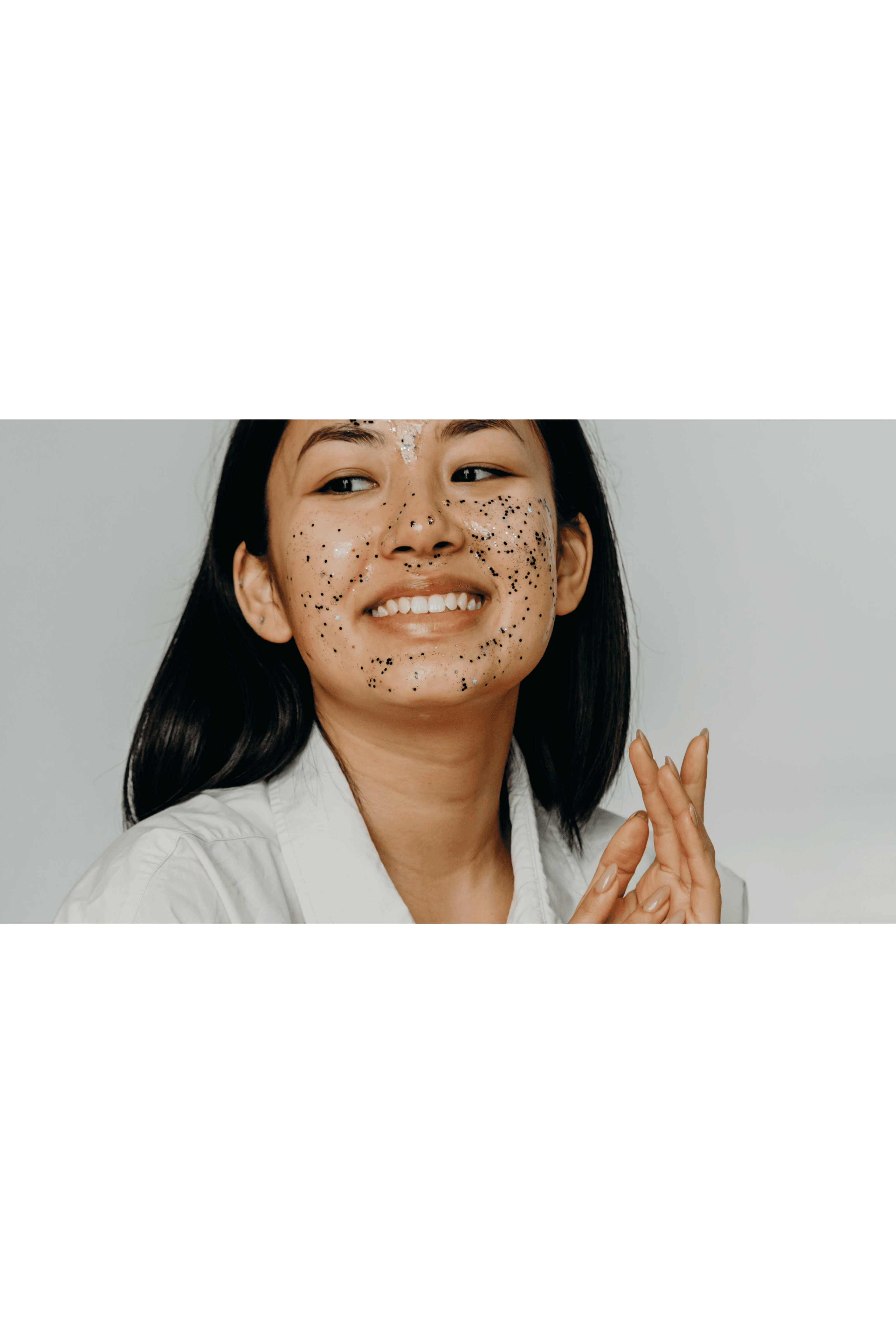
Myth #4: Pores Can Open and Close
Pores can look more noticeable for plenty of reasons. This post breaks down the myth and explains what actually changes the way they look.
Telederm Clinical Team · Sep 21, 2026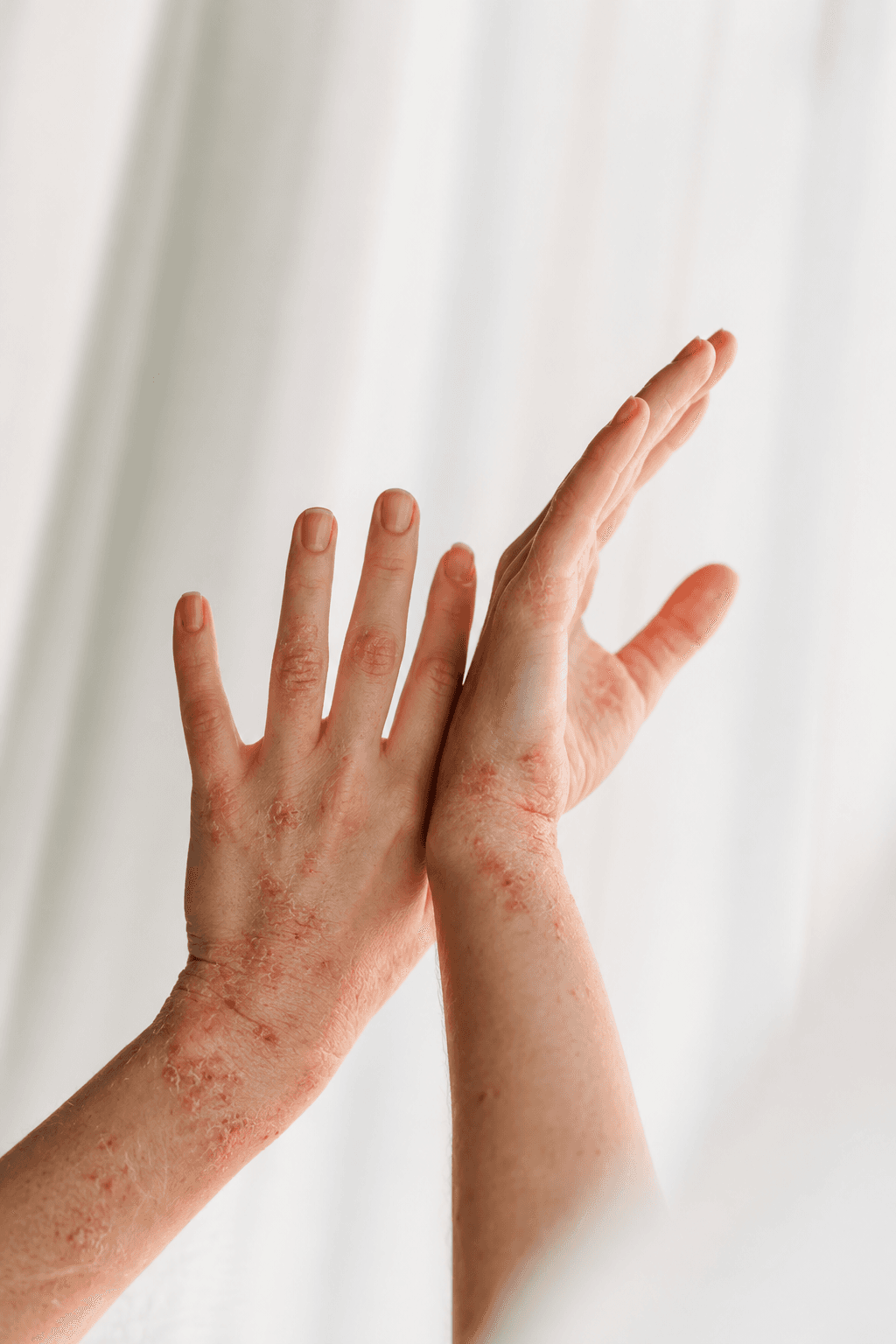
Understanding the Eczema Cycle
Eczema doesn’t always follow a straight path. A flare may improve or even clear with treatment, only to return later. Understanding the cycle from triggers and treatment to clearer skin and maintenance can make eczema easier to manage over time.
Telederm Clinical Team · Sep 21, 2026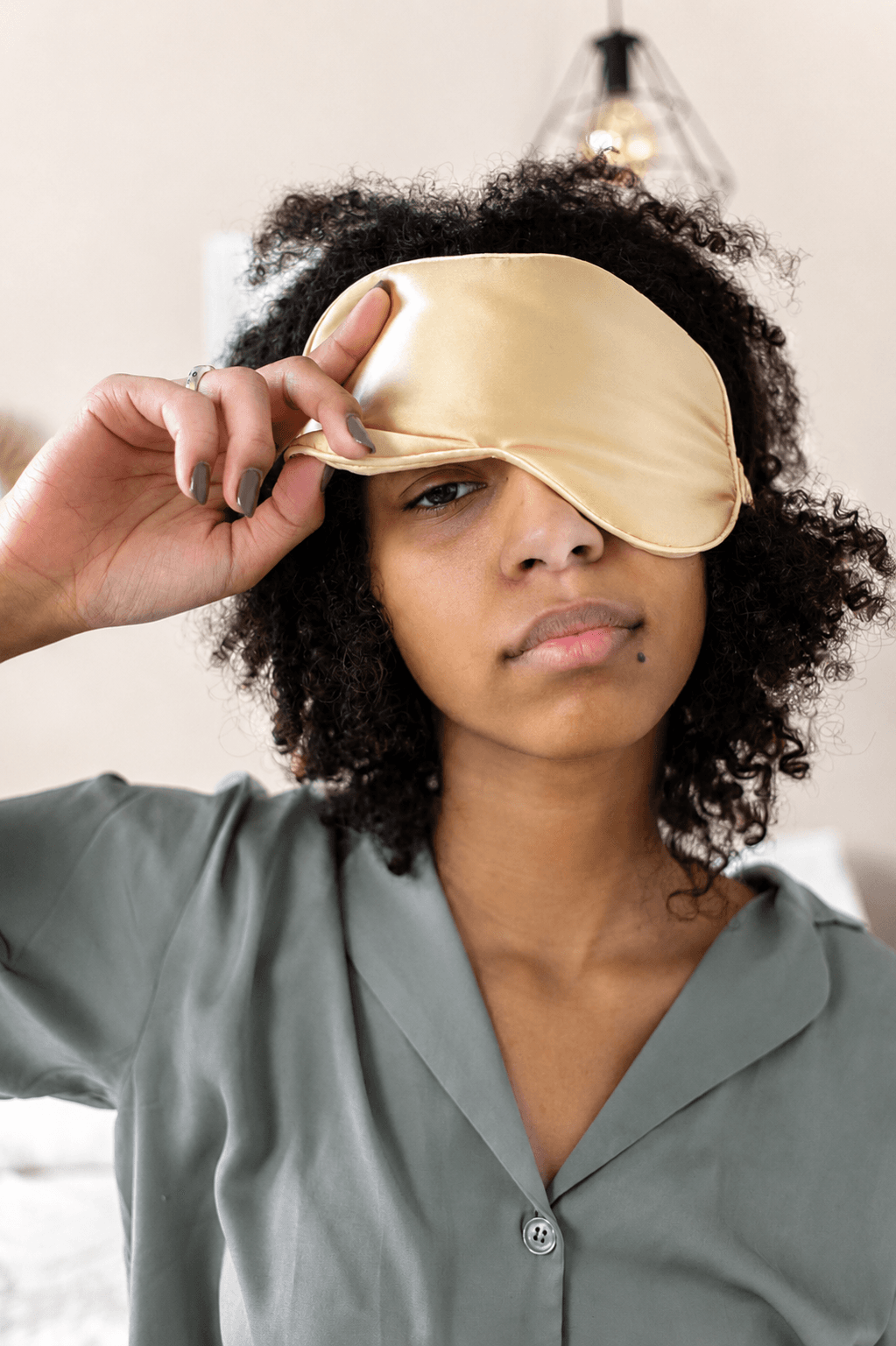
Myth #2: Dark Circles Mean You Need More Sleep
A good night’s sleep doesn’t always make dark circles disappear. From genetics and pigmentation to allergies and natural shadows, there may be more happening beneath your eyes than simply being tired.
Telederm Clinical Team · Sep 9, 2026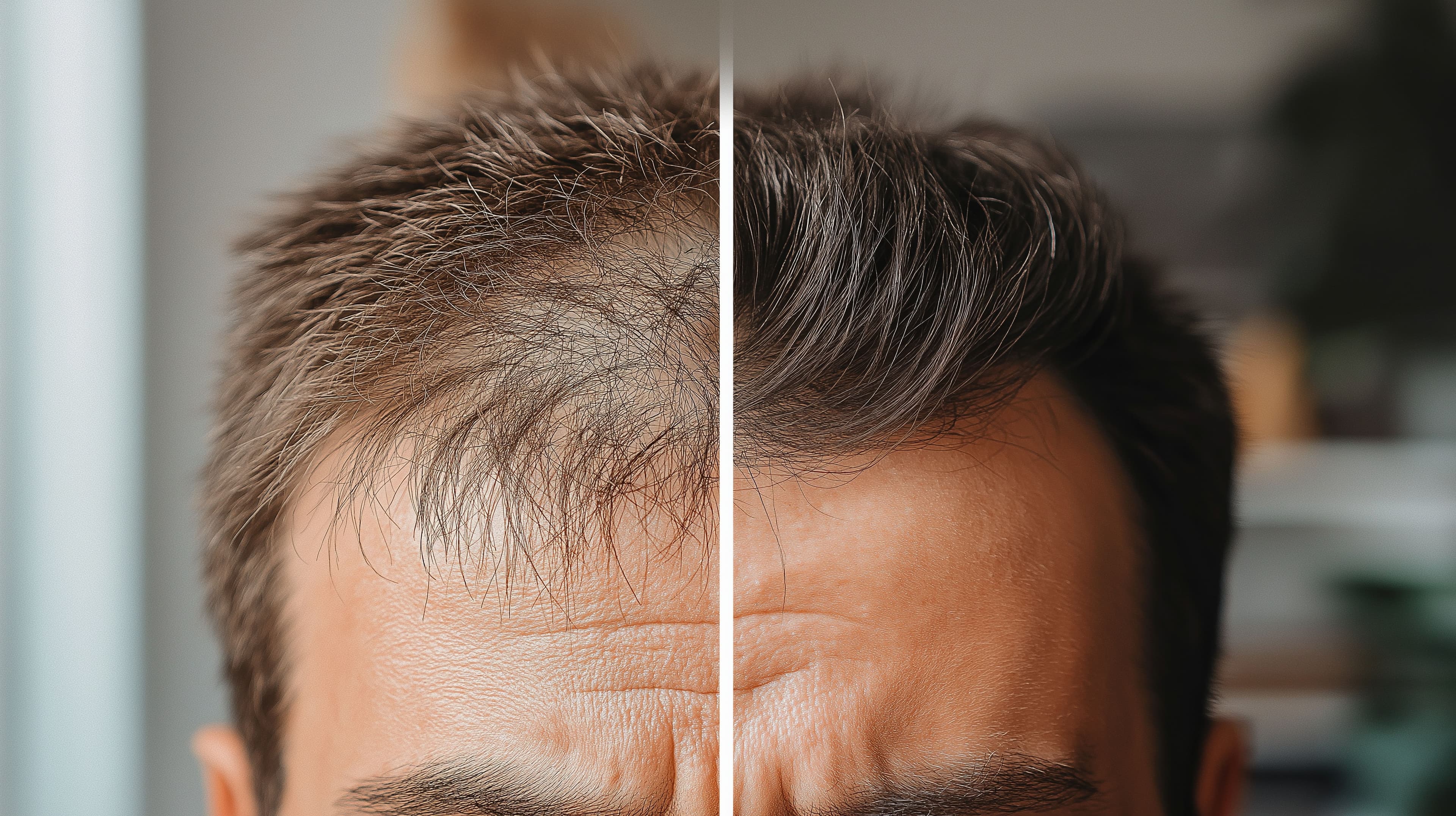
Does Minoxidil Have to Be Forever?
If you've been avoiding minoxidil because you don't want to be on it forever, the answer may be more nuanced than you think. Here's what a board-certified dermatologist actually says about long-term use.
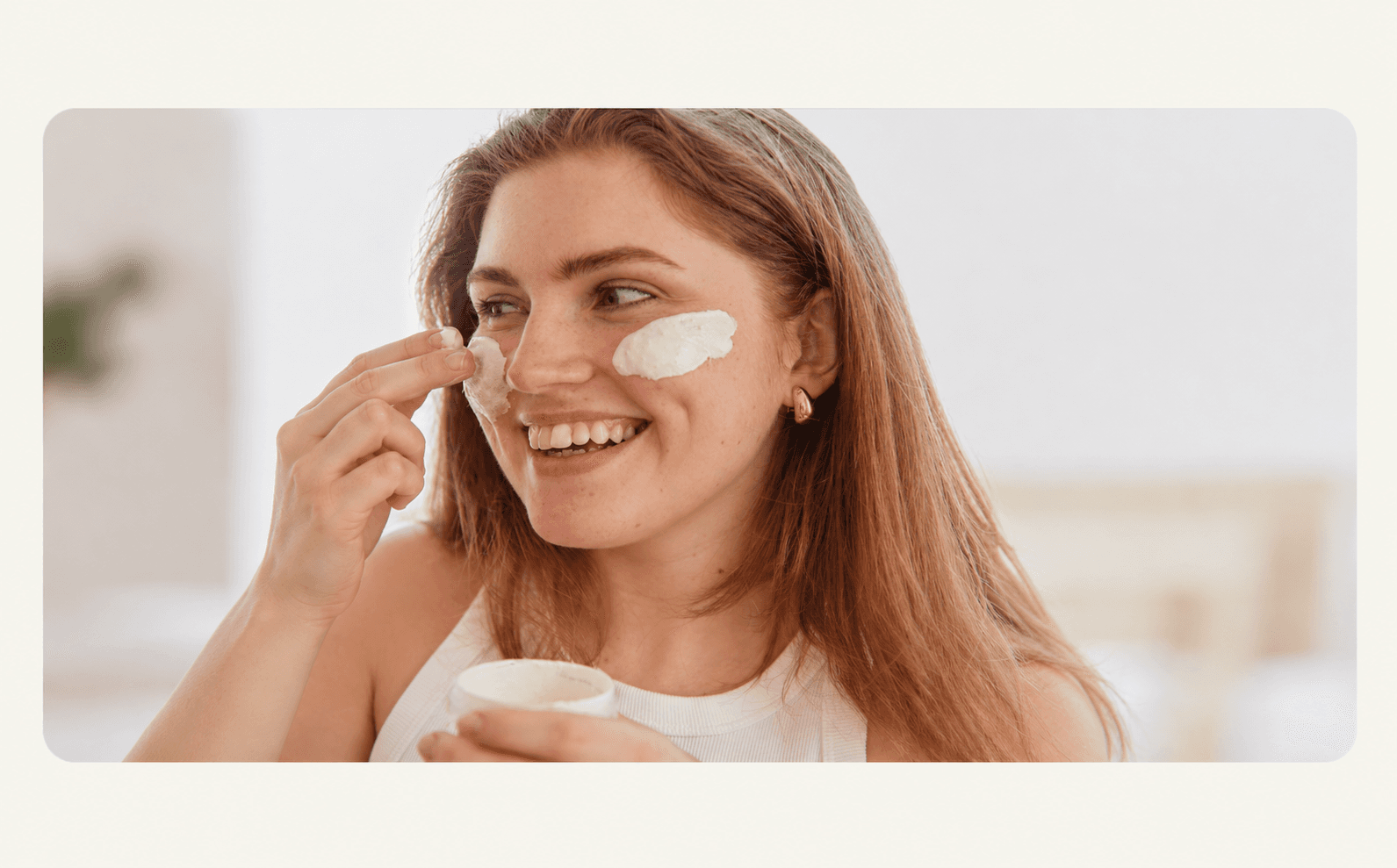
Myth #1: Oily Skin Doesn't Need Moisture
If your skin already feels oily, adding moisturizer might sound like the last thing you need. But oil and moisture tell two different stories.
Telederm Clinical Team · Aug 24, 2026
Can Hair Loss Be Reversed? Understanding Your Treatment Options
Not all hair loss is permanent. Learn what affects the chances of hair regrowth, common treatment options, and why personalized treatment plans may play an important role in managing hair loss.
Telederm Clinical Team · Aug 13, 2026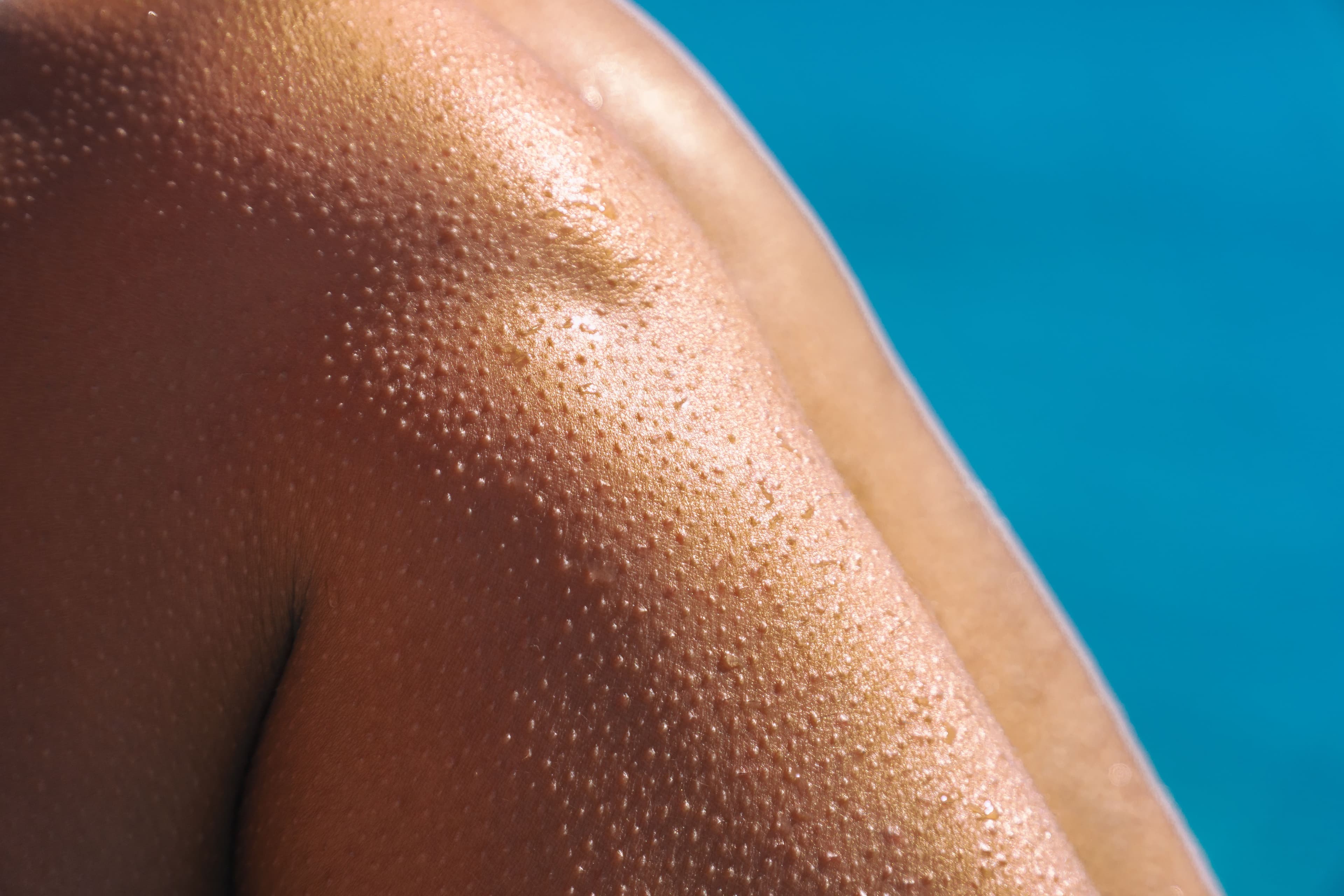
Keratosis Pilaris Explained: Why Those Rough Bumps Appear
Tiny rough bumps on the arms, thighs, or cheeks are often caused by keratosis pilaris, a common skin condition sometimes called "chicken skin" or "strawberry skin." Learn what may contribute to these bumps and why they're often mistaken for other skin concerns.
Telederm Clinical Team · Aug 13, 2026
Melasma and Pregnancy: Understanding the Link
Pregnancy can bring many changes to the skin, including melasma. Learn why this common form of hyperpigmentation may become more noticeable during pregnancy and what factors can influence it.
Telederm Clinical Team · Aug 10, 2026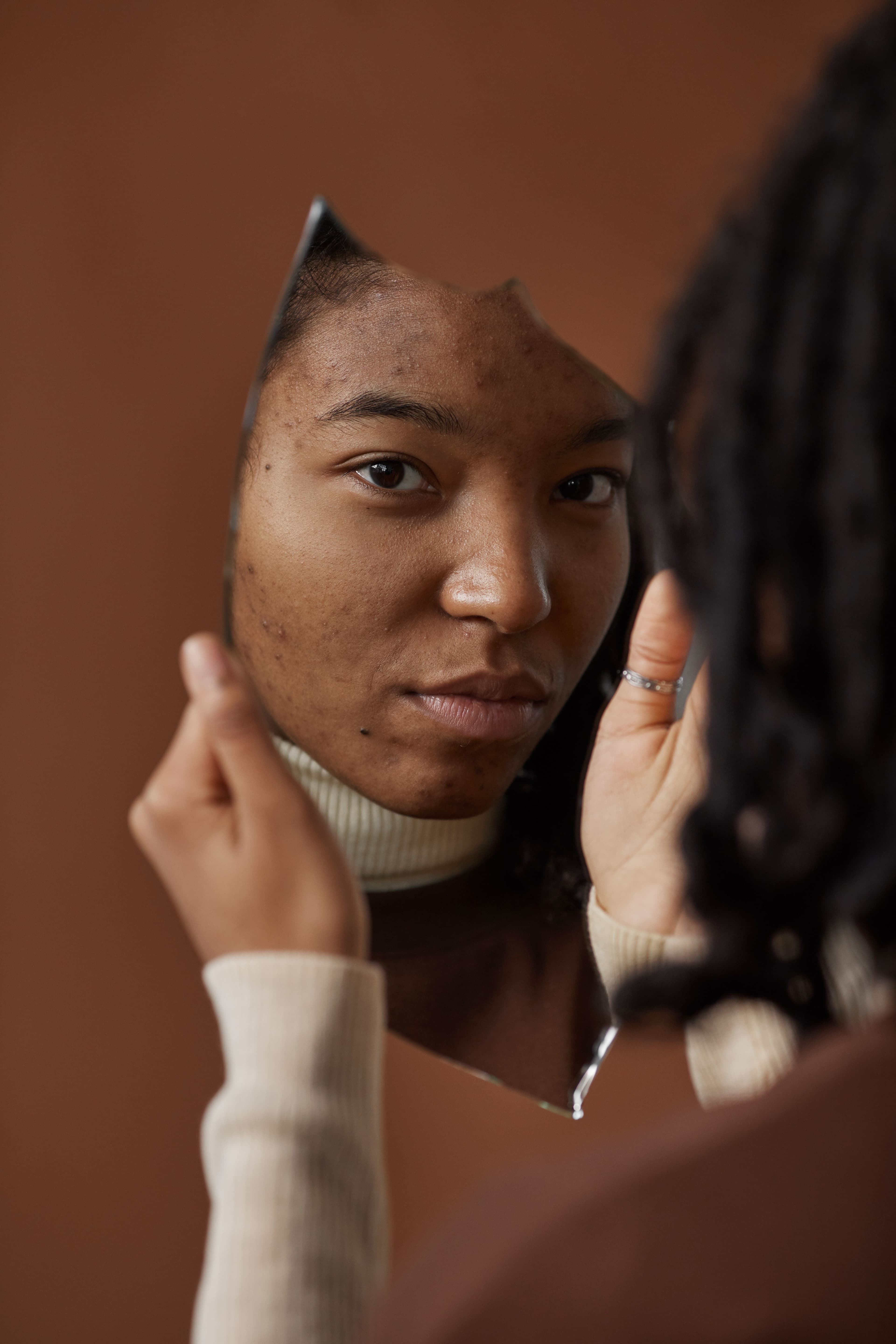
Skin Purging vs Breakout: How to Tell the Difference
This article examines the differences between skin purging and acne breakouts, including commonly associated ingredients, expected symptom patterns, and factors dermatologists often consider during evaluation.
Telederm Clinical Team · Aug 6, 2026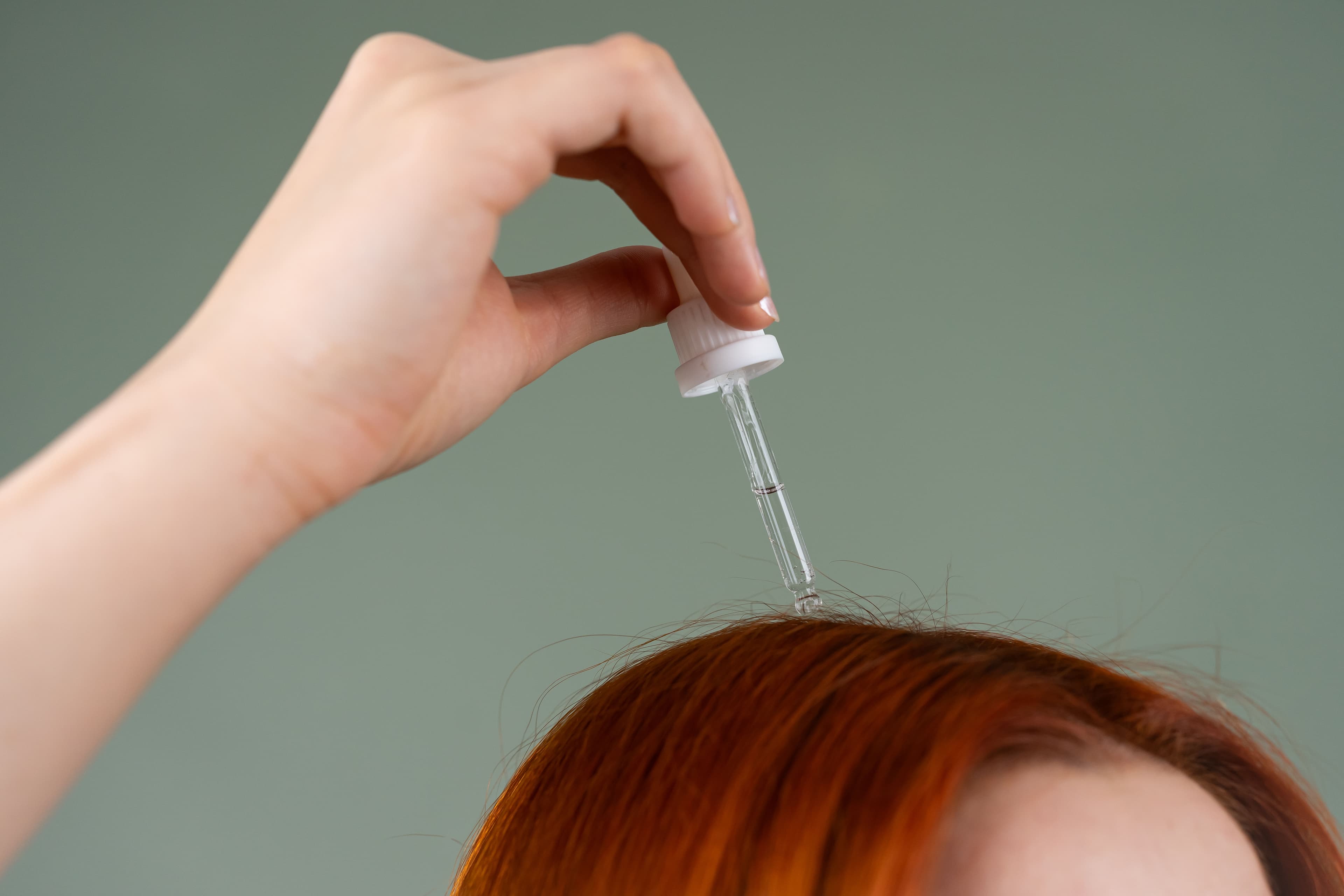
Dandruff vs Seborrheic Dermatitis: Key Differences
Dandruff and seborrheic dermatitis can cause similar symptoms, but they aren't exactly the same. Learn the key differences, common causes, and when professional support may help.

Rosacea vs Acne: How Can You Tell the Difference?
Redness. Bumps. Sensitive skin. Breakouts that don't seem to go away. If you've been trying to figure out whether you're dealing with acne, rosacea, or...
Telederm Clinical Team · Aug 4, 2026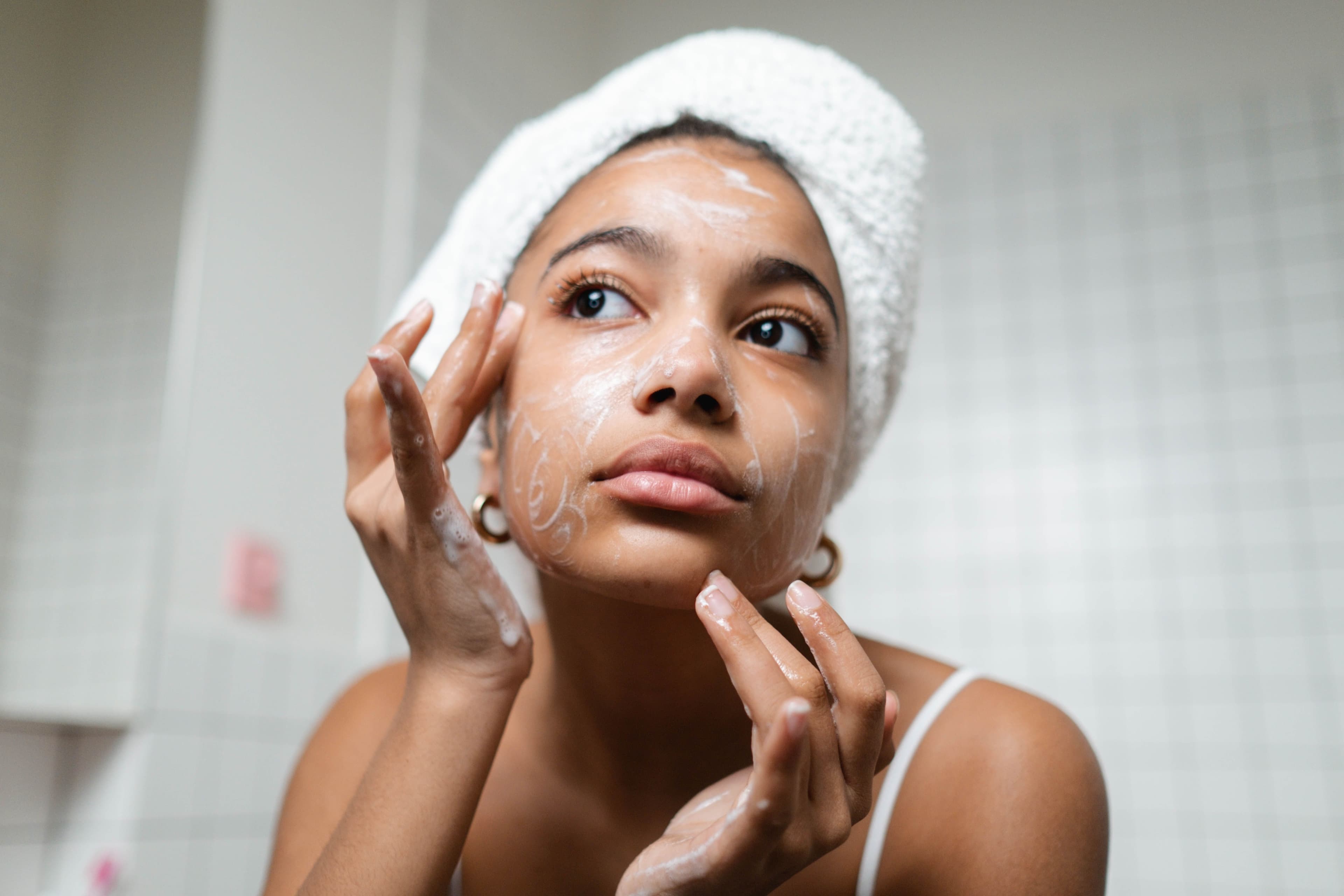
Skin Barrier Repair: Signs Your Skin Needs Support
If your skin suddenly feels dry, tight, or irritated, your skin barrier may need extra support. Learn what affects the skin barrier and discover simple habits that may help restore healthier-looking skin.
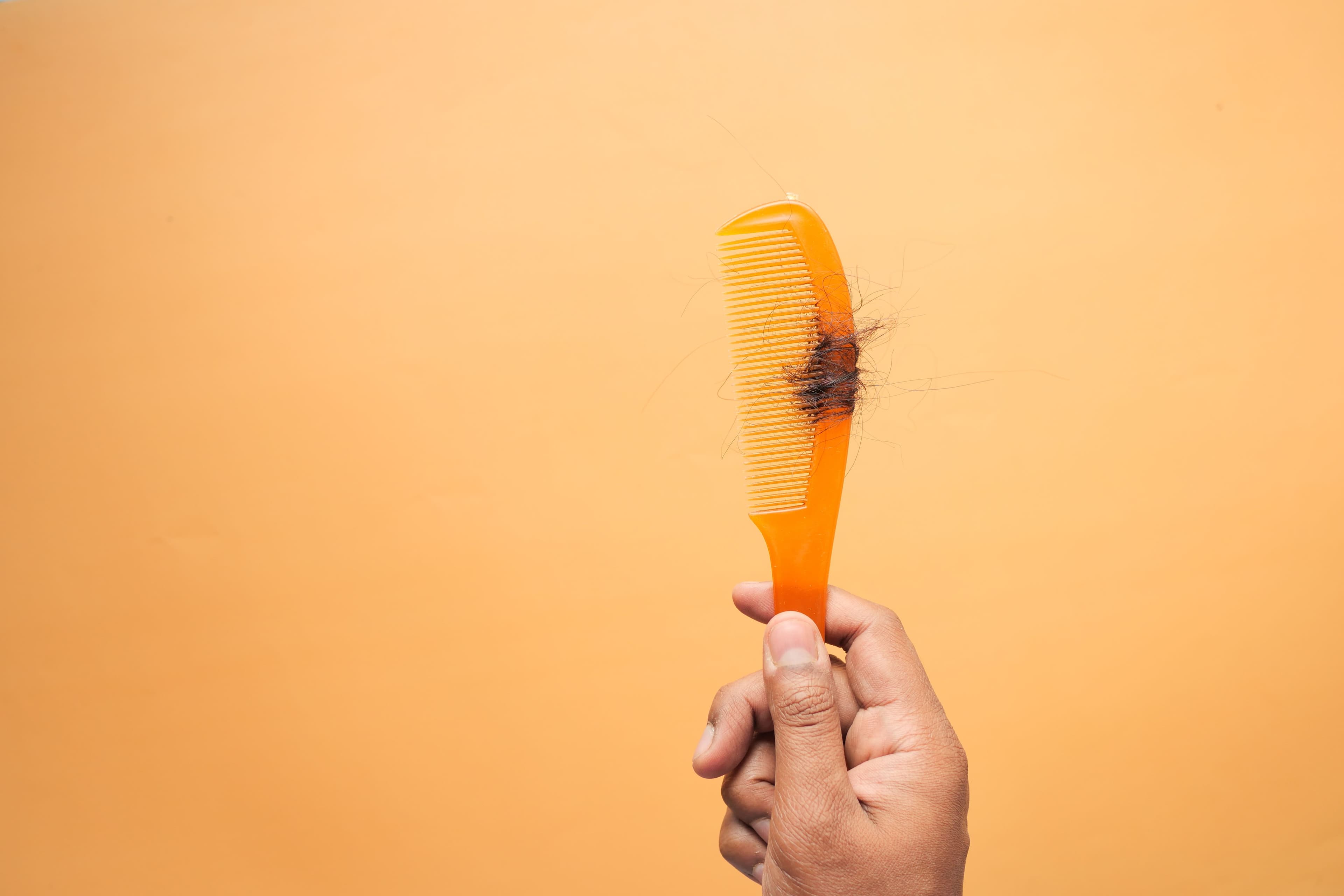
Hair Shedding vs Hair Loss: What's the Difference?
Noticing more hair in your brush or shower drain? Learn the differences between hair shedding and hair loss, common causes, and signs that may help you better understand what's happening.

A GLP-1 Can Change More Than the Number on the Scale
Significant weight loss can bring changes beyond the number on the scale. Learn about common skin and hair changes—including hair shedding, dry skin, and changes in facial appearance—and discover simple ways to support healthy-looking skin throughout your weight-loss journey.
Telederm Clinical Team · Aug 4, 2026A board-certified dermatologist will review your case within 24–48 hours.
$45 per medical visit. A board-certified dermatologist reviews your skin and builds a custom compounded plan tailored to your needs. No insurance, no subscriptions, no surprise charges.