
Simple Skincare Routine: Are You Using Too Many Products?
More skincare products don't always mean better results. Discover how a simple skincare routine may help reduce confusion, improve consistency, and make it easier to understand your skin's needs.

More Products Don't Always Mean Better Skin
If your skincare shelf seems to keep growing while your skin still feels unpredictable, you’re definitely not the only one experiencing this. Many people start building a skincare routine with good intentions, adding products they’ve seen online, trying trending ingredients, or following advice from different sources. But sometimes, all those extra steps can start feeling overwhelming rather than helpful. That’s where a simple skincare routine can make a difference.
A simple skincare routine is not about doing less simply for the sake of it. It’s about taking a moment to stop and understand which steps may support your skin, and then creating a routine that feels easier to follow and maintain.
In this guide, we’ll walk through what a simple skincare routine typically includes, common habits that can complicate routines more than necessary, and when additional guidance may help.
What Should a Simple Skincare Routine Include?
For many people, a simple skincare routine often starts with a few basic steps rather than multiple products layered on top of each other.
These basics commonly include:
● A gentle cleanser
● Daily sun protection (SPF)
Depending on individual skin concerns, some people may also choose to include one additional targeted product.
The purpose of a simple skincare routine is not necessarily to remove everything from your skincare shelf. Instead, it can help create consistency and make it easier to understand how your skin responds over time.
What Is a Simple Skincare Routine?
A simple skincare routine focuses on supporting your skin without adding unnecessary complexity.
It can be very easy to assume that more products automatically mean better results. Between social media trends, influencer product reviews, ingredient recommendations, and multi-step routines, skincare can quickly start to feel way more complicated than expected.
For many people, keeping a skincare routine manageable can actually make it easier to recognize which products feel supportive and which products may not be working as expected.
Why More Products Don’t Always Mean Better Results
Adding multiple products to your routine all at once can sometimes make it difficult to understand exactly what your skin is responding to.
Some situations people commonly run into include:
● Combining several active ingredients
● Frequently changing products without giving the skin time to adjust or react
● Trying new trends without understanding how they fit into an existing routine
● Introducing too many products in a short period of time
When several products are combined, it can become even harder to determine whether something is helping, irritating, or simply not making much of a difference in the first place.
That doesn’t automatically mean complex skincare routines are wrong; they might work for certain skin types. But for some people, a simple skincare routine may provide more clarity and consistency.
Another thing that can make routines feel more complicated is the amount of skincare information people are exposed to every day. There are constantly new ingredients, trending products, and different opinions out there, especially online, that can create the feeling that a routine always needs to be updated or improved.
While experimenting with skincare can be enjoyable for some, constantly changing products can sometimes make it more difficult to understand what is actually working for your skin.

Signs Your Skincare Routine Might Feel Overcomplicated
Sometimes it’s not immediately obvious that a routine has become more difficult than it needs to be.
Some examples people may notice include:
● Constantly switching products
● Feeling unsure which product is doing what
● Frequently adding products without finishing others
● Having a routine that feels difficult to maintain consistently
● Feeling overwhelmed by conflicting skincare advice
These situations do not necessarily mean your routine is causing a problem. However, they can sometimes make it more difficult to understand what your skin actually needs.
Common Habits That Can Make a Routine More Complicated
Many skincare routines don’t become complicated overnight. Sometimes it happens gradually through small additions over time.
Examples can include:
● Following multiple skincare trends at once
● Adding new products before giving existing products enough time to work
● Using several active ingredients together
● Trying approaches like skin cycling without fully understanding how they fit into your routine
Skin cycling has become a widely discussed skincare trend and may work well for some people. However, like many skincare approaches, it’s not necessarily a one-size-fits-all solution.
A simple skincare routine can sometimes make it easier to identify what feels supportive for your skin before introducing additional steps.
How to Build a Simple Skincare Routine
Building a simple skincare routine doesn’t necessarily mean you have to remove every product you enjoy using.
Instead, it may help to focus on a few practical steps:
● Choose a cleanser that feels gentle on your skin
● Use a moisturizer that supports hydration
● Wash your face properly every day
● Introduce new products gradually rather than all at once
● Give current products time before making frequent changes
Some people also find it helpful to introduce only one new product at a time, since this can make it easier to recognize exactly how a routine changes over time. Small adjustments can sometimes provide more clarity than making multiple major changes at once.
Consistency often becomes an important part of skincare because it can provide a clearer picture of how products fit into your routine over time. A simple skincare routine may feel easier to maintain because it reduces some of the guesswork.
When Additional Support May Help
While many people prefer to start with a simple skincare routine, there may be situations where additional guidance is helpful.
Examples of when it could be helpful to seek additional advice include:
● Ongoing breakouts that won’t stop
● Persistent redness or irritation that doesn’t go away
● Skin concerns that don’t seem to improve over time
● Feeling uncertain about which products fit your skin needs
Skin concerns often involve multiple contributing factors, which can make trial and error feel frustrating.
Understanding Your Next Step
For people seeking additional guidance, Telederm offers an online process designed to make dermatology care easier to access.
Patients can:
● Complete guided questions
● Upload photos
● Have their case reviewed by a board-certified dermatologist
If treatment is medically appropriate, a provider may recommend a personalized plan based on the details of the visit.
If you’d like to learn more about Telederm and the approach behind the platform, visit our About page. You can also explore our services to learn more about the support options available and skin concerns covered through the platform.
When Less Can Sometimes Feel Easier
A simple skincare routine is not about following strict rules or removing every product from your bathroom shelf.
Instead, it can be about creating a routine that feels manageable, consistent, and easier to understand.
When skincare starts feeling overwhelming, stepping back and simplifying certain parts of a routine may sometimes make it easier to identify what works for your skin and what does not.
Keep reading.
All in Routines →
Myth #1: Oily Skin Doesn't Need Moisture
If your skin already feels oily, adding moisturizer might sound like the last thing you need. But oil and moisture tell two different stories.
 Telederm Clinical Team · Aug 24, 2026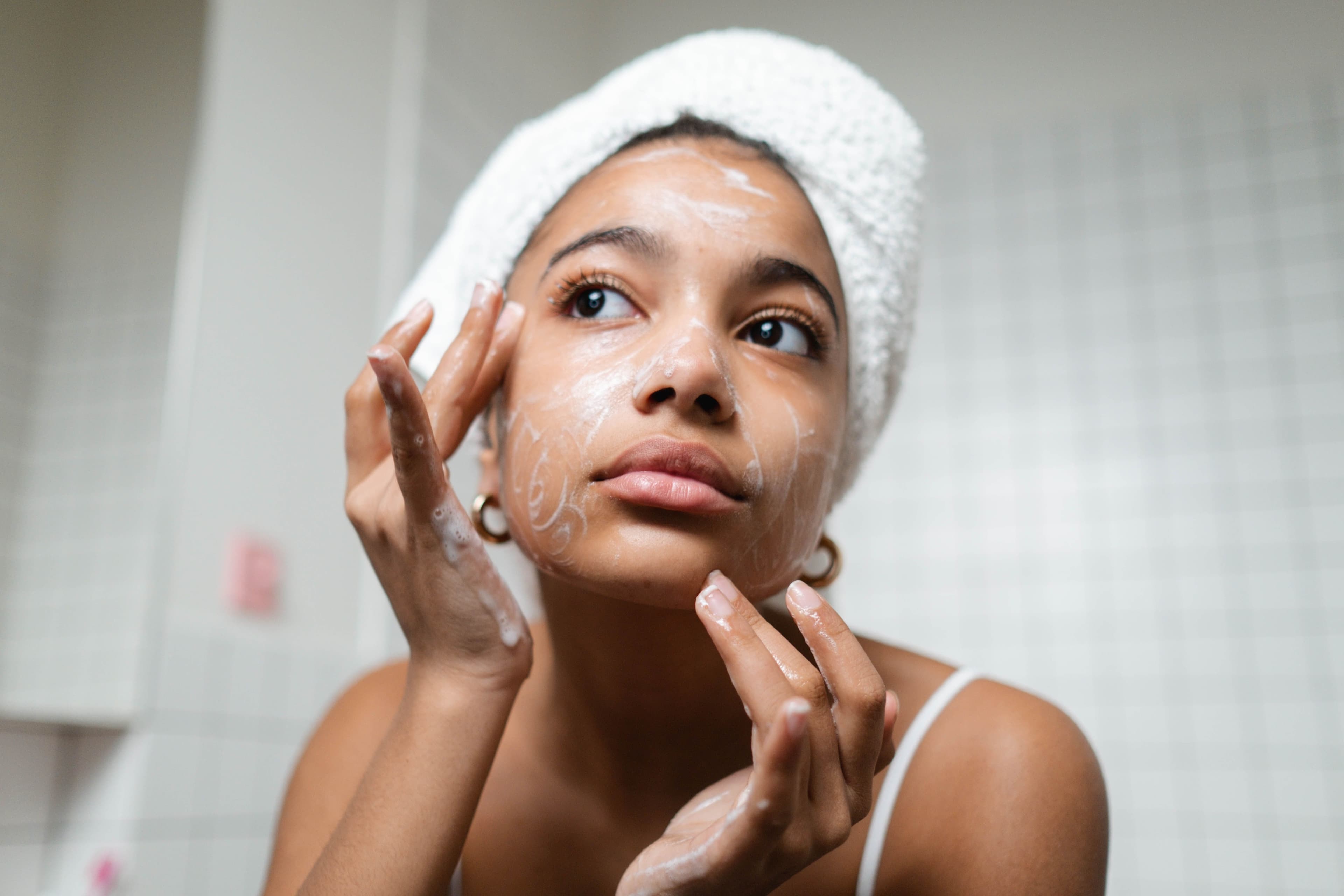
Skin Barrier Repair: Signs Your Skin Needs Support
If your skin suddenly feels dry, tight, or irritated, your skin barrier may need extra support. Learn what affects the skin barrier and discover simple habits that may help restore healthier-looking skin.
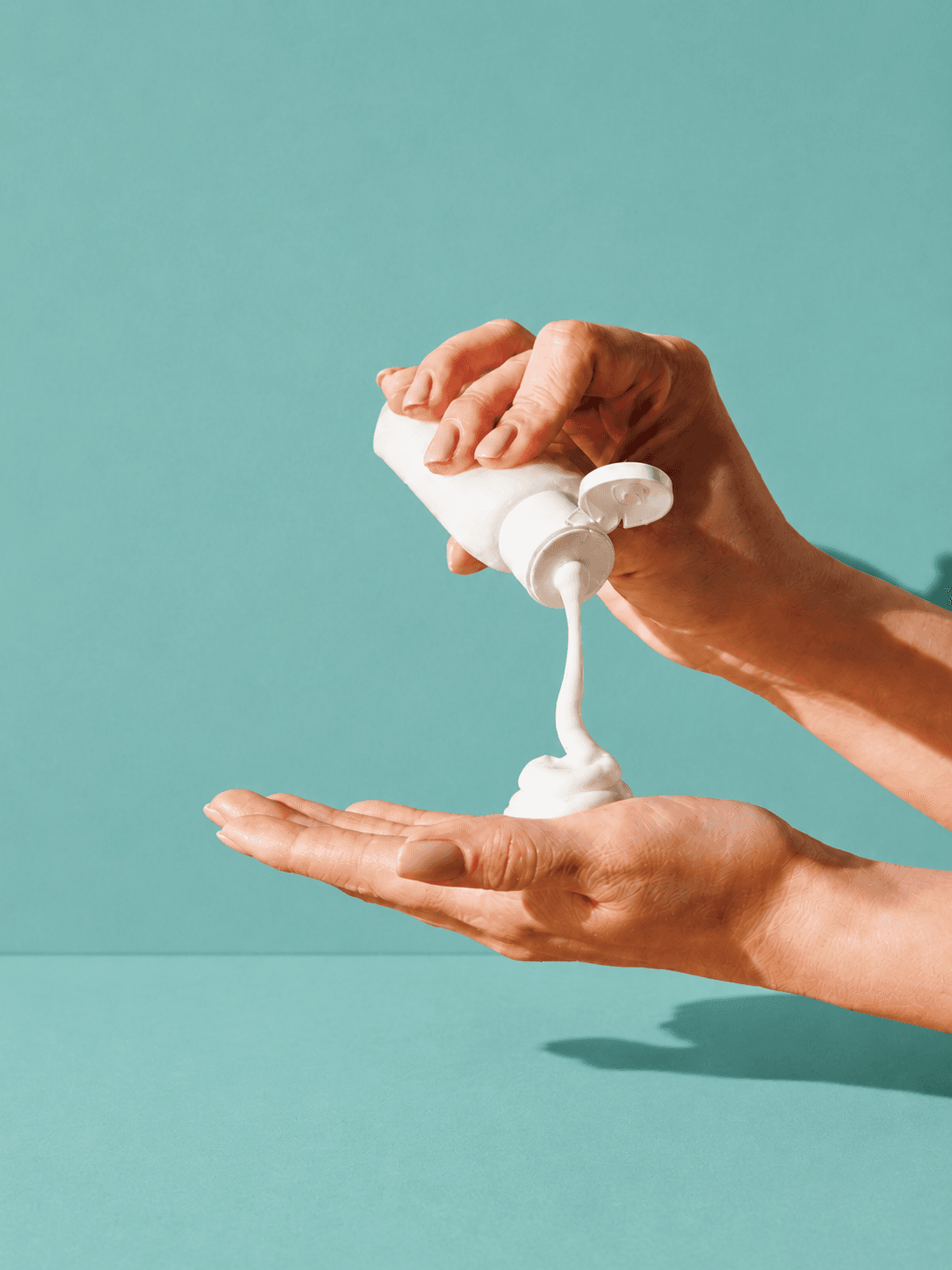
The Dermatologist's Overnight Hand Repair Method
Give dry, rough hands an overnight reset with a simple soak, moisturize, and cotton glove routine designed to help lock in hydration.
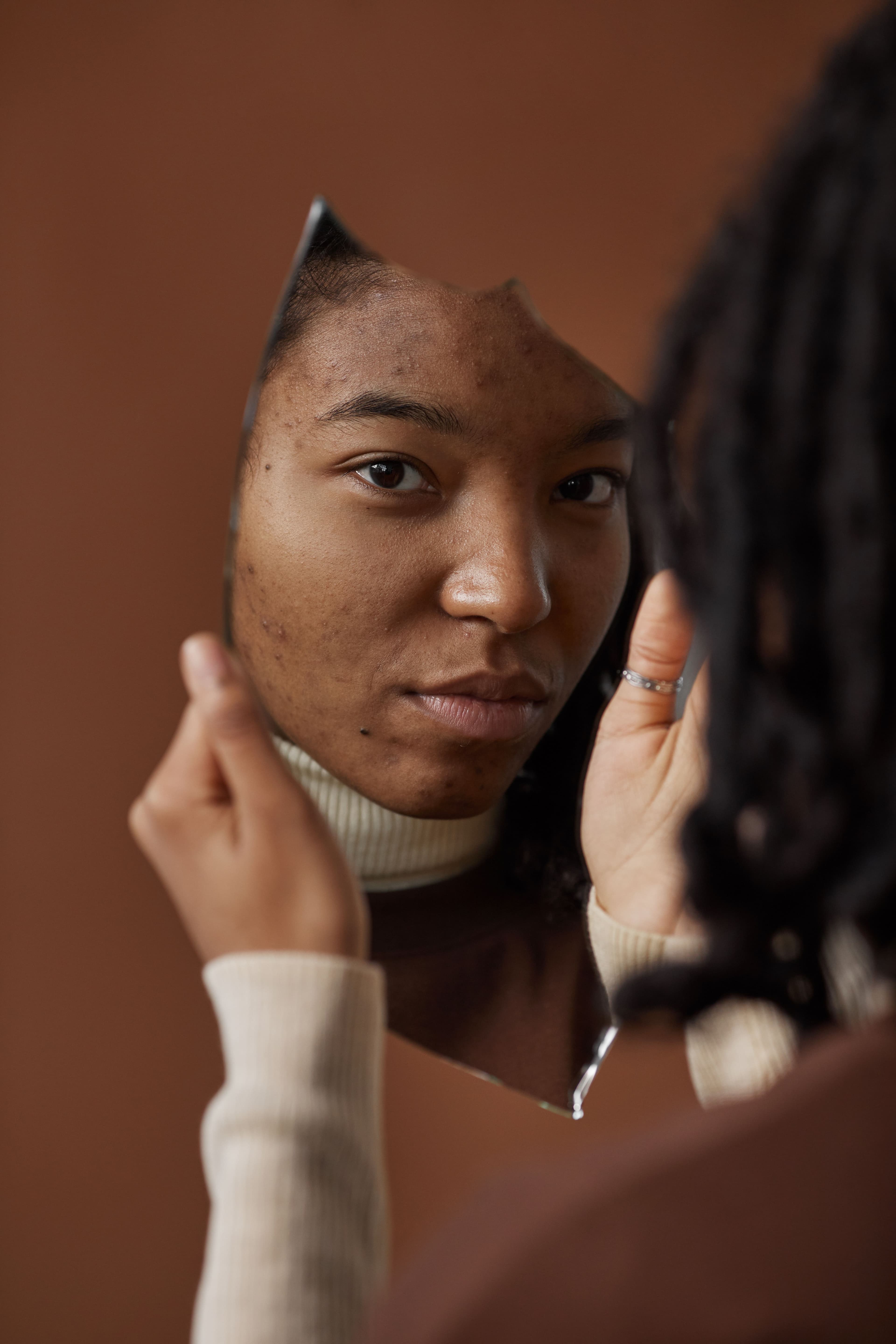
Skin Purging vs Breakout: How to Tell the Difference
This article examines the differences between skin purging and acne breakouts, including commonly associated ingredients, expected symptom patterns, and factors dermatologists often consider during evaluation.
Telederm Clinical Team · Aug 6, 2026