
Azelaic Acid Does More Than Treat Acne: Here’s What It’s Used For
Azelaic acid might not get as much attention as other skincare ingredients, but its versatility is hard to ignore. From treating acne and rosacea to addressing dark spots and uneven pigmentation, discover why this ingredient has become a staple in dermatology.
 Medically reviewed byKnox Beasley, MD, FAADDermatologist
Some skincare ingredients are famous for one thing.
Salicylic acid has clogged pores. Benzoyl peroxide has acne. Retinoids have built an entire reputation around acne and aging.
Then there’s azelaic acid.
It tends to fly under the radar, even though dermatologists use it for a surprisingly wide range of skin concerns. Depending on why it's being used, azelaic acid can play a role in treating acne, inflammatory rosacea, post-inflammatory discoloration, and uneven pigmentation.
Even more interesting is that it doesn't accomplish all of those things in exactly the same way.
So, what is this ingredient actually doing?
First, What Exactly Is Azelaic Acid?
Azelaic acid is a naturally occurring dicarboxylic acid. In dermatology, it's used topically in creams, gels, foams, and other formulations.
It has several properties that help explain its versatility. Azelaic acid has anti-inflammatory and antimicrobial activity, influences the way skin cells mature within the follicle, and can interfere with processes involved in excess pigment production.
That's an unusual combination.
Instead of having one obvious target, azelaic acid interacts with several processes involved in common skin concerns. Which of those effects matters most depends on what you're trying to treat.
Acne Is Probably Its Best-Known Job
Azelaic acid has been used as a topical acne treatment for decades.
Acne involves more than just oil. Clogged follicles, abnormal keratinization, bacteria, and inflammation can all contribute to breakouts. Azelaic acid happens to interact with several of those factors.
It has antimicrobial activity against bacteria associated with acne, while its effects on keratinization can help address the buildup of skin cells within follicles. Its anti-inflammatory activity is another reason it can be useful for inflammatory breakouts.
In the United States, azelaic acid 20% cream has been FDA-approved for mild to moderate inflammatory acne vulgaris. But acne is where the story starts, not where it ends.
Then There's Rosacea
Here's where azelaic acid becomes particularly interesting.
A person with rosacea may have redness along with acne-like bumps and pustules. Those bumps can look remarkably similar to acne, even though rosacea and acne are different conditions.
Azelaic acid is one of the established topical treatments for the inflammatory papules and pustules associated with rosacea. In the United States, 15% azelaic acid formulations have been approved specifically for this purpose.
Its anti-inflammatory activity is especially relevant here.
There is an important distinction, though. Azelaic acid isn't necessarily going to address every feature of rosacea equally. Someone whose main concern is persistent facial redness or visible blood vessels may require a different treatment approach than someone dealing primarily with inflammatory bumps and pustules.
Same condition. Different features. Different treatment goals.
And Then It Starts Showing Up in Conversations About Dark Spots
This is where azelaic acid crosses over from acne and rosacea treatment into the pigmentation world.
Azelaic acid can interfere with tyrosinase, an enzyme involved in melanin production. That gives it a role in addressing certain forms of excess pigmentation.
That becomes particularly useful when acne leaves something behind.
A breakout may disappear, but the flat brown or grayish mark that follows can remain much longer. This is known as post-inflammatory hyperpigmentation.
So someone dealing with acne may potentially be interested in azelaic acid for two different reasons: the active breakouts themselves and the discoloration those breakouts can leave behind.
That's a pretty useful combination for one ingredient.
What About Melasma?
Azelaic acid also has a history of use in melasma, a condition characterized by patches of excess facial pigmentation.
Again, its effect on pigment production is what makes it relevant.
But melasma is complicated. Hormones, genetics, ultraviolet radiation, visible light, and other factors can contribute, which is why treatment often involves more than simply adding one brightening ingredient.
Azelaic acid may be one part of that strategy rather than the entire strategy.
And that's an important theme with this ingredient in general: versatility doesn't mean universality.
One Ingredient, Several Different Mechanisms
Put all of these uses next to each other and azelaic acid starts to look a little strange.
Why would the same ingredient show up in an acne treatment, a rosacea treatment, and a pigmentation routine?
Because those conditions may involve different biological processes that azelaic acid happens to influence.
Its anti-inflammatory activity can matter when inflammation is part of the problem.
Its antimicrobial effects can be relevant in acne.
Its effects on keratinization can help with the abnormal accumulation of cells within follicles.
And its influence on tyrosinase and pigmentation gives it an entirely different role when excess pigment is the concern.
It's less like one ingredient doing the same job everywhere and more like one ingredient having several different tools available.
Does the Percentage Matter?
Yes, but this is where skincare labels can become misleading if they're viewed without context.
Azelaic acid is available in different concentrations and formulations. Prescription products in the United States have included 15% formulations for inflammatory rosacea and 20% cream for inflammatory acne. Lower-strength azelaic acid products can also be found in the cosmetic skincare market.
A higher percentage isn't automatically “better.”
The condition being treated, the formulation, how well the skin tolerates it, and what else is being used all matter. A dermatologist may also choose azelaic acid as part of a broader treatment plan rather than using it alone.
This is one of those situations where comparing two bottles based only on the number printed on the front doesn't tell the whole story.
Is Azelaic Acid Gentle?
It has a reputation for being relatively well tolerated, but gentle shouldn't be confused with incapable of causing irritation.
Burning, stinging, itching, dryness, and irritation can occur, particularly when someone first begins using azelaic acid. These effects may be more noticeable in people with sensitive skin.
The formulation also matters. Certain azelaic acid gels may cause more irritation than creams, highlighting why the ingredients used to formulate a product can be just as important as the active ingredient itself.
Where Compounding Can Fit In
Azelaic acid can also be incorporated into personalized compounded topical medications when a dermatologist determines that a customized formulation is appropriate.
That can allow compatible ingredients addressing different aspects of a patient's condition to be incorporated into a single formulation rather than requiring several separate products.
For example, someone being treated for acne and post-inflammatory discoloration may have different treatment needs than someone with rosacea, even though azelaic acid could potentially appear in either treatment plan.
The point isn't simply to put more ingredients into one bottle. It's to build a formulation around what is actually being treated.
The Interesting Thing About Azelaic Acid Isn't Any One Benefit
It's the overlap.
Acne and pigmentation can occur together. Inflammation and discoloration can occur together. Rosacea can involve inflammatory lesions as well as sensitive, reactive skin.
Azelaic acid happens to sit at the intersection of several of those concerns.
That doesn't make it the answer to every breakout, red patch, or dark spot. But it does explain why an ingredient that rarely gets the same attention as retinoids or vitamin C has remained relevant in dermatology for decades.
How Telederm Can Help
Through Telederm, you can connect with a board-certified dermatologist online for concerns such as acne, rosacea, hyperpigmentation, melasma, and other skin conditions.
Rather than choosing an ingredient based only on its reputation or percentage, a dermatologist can determine whether azelaic acid makes sense for the condition you're actually treating and how it may fit alongside other treatments. When appropriate, personalized compounded medications may also allow compatible ingredients to be incorporated into a customized topical formulation.
Azelaic acid may do a surprising number of things. The useful part is figuring out which of those things your skin actually needs.
Knox Beasley, MD, FAAD
Dermatologist · Tulane University School of Medicine
Acne, Rosacea, Scalp conditions
Keep reading.
All in Ingredient Spotlight →
One Ingredient, A Lot of Jobs: What Niacinamide Can Do for Your Skin
From supporting the skin barrier to helping with oiliness, dark spots, redness, and signs of aging, here’s what this popular skincare ingredient can actually do.
 Telederm Clinical Team · Sep 30, 2026
When Acne Leaves a Mark: Scarring vs. Discoloration
A breakout can leave behind more than one kind of reminder. Some spots are changes in color, while others involve the texture of the skin itself. Understanding the difference can help make sense of what you’re seeing after acne clears.
Telederm Clinical Team · Sep 22, 2026
Rosacea vs Acne: How Can You Tell the Difference?
Redness. Bumps. Sensitive skin. Breakouts that don't seem to go away. If you've been trying to figure out whether you're dealing with acne, rosacea, or...
Telederm Clinical Team · Aug 4, 2026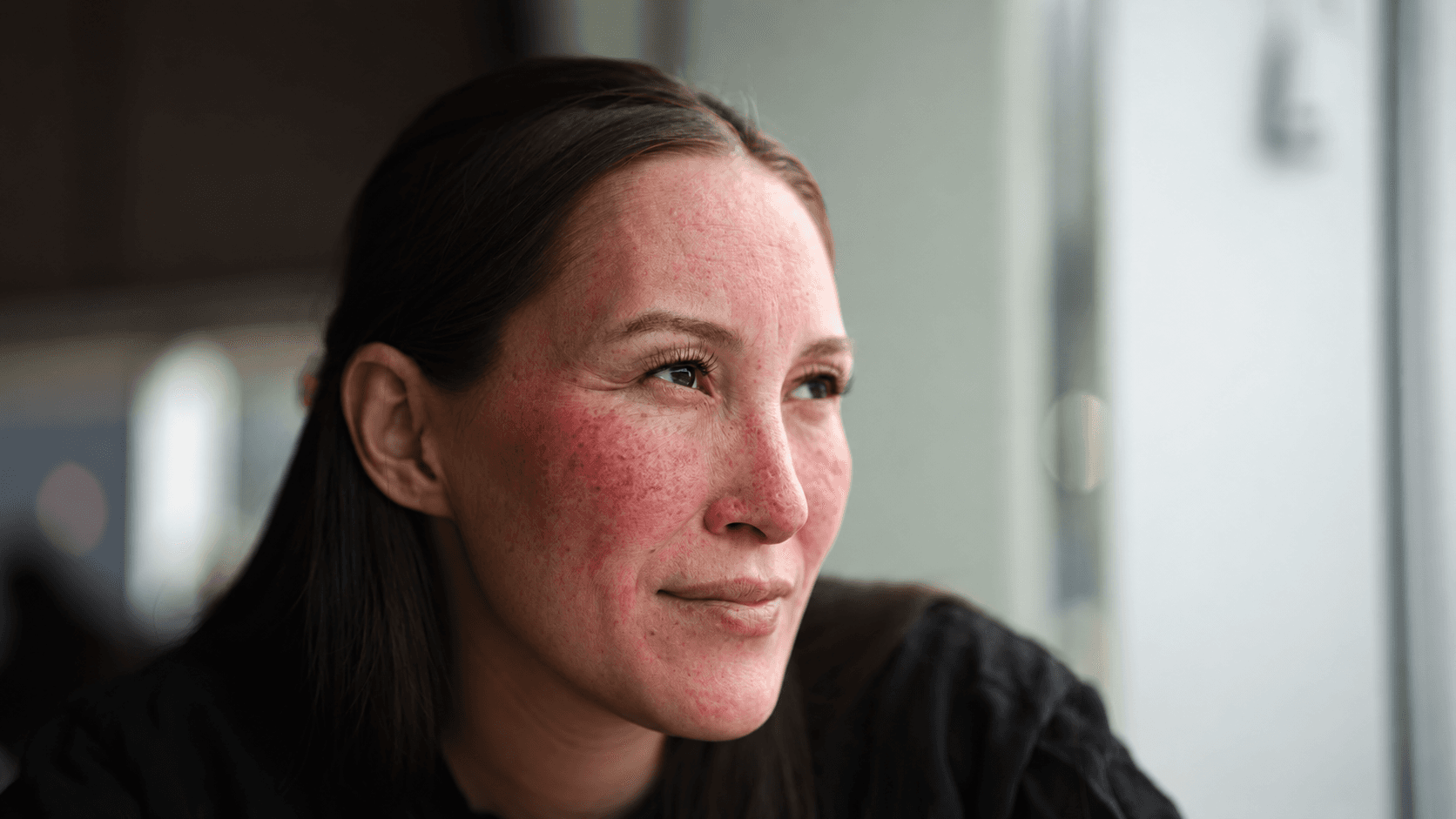
When It’s Not Acne: Understanding Rosacea
Rosacea and acne can look surprisingly similar, but treating the wrong condition can mean months or even years of frustration. Learn what sets rosacea apart, why it’s often mistaken for other skin conditions, and how the right diagnosis can change the treatment approach.
Telederm Clinical Team · Sep 30, 2026