
Keratosis Pilaris Explained: Why Those Rough Bumps Appear
Tiny rough bumps on the arms, thighs, or cheeks are often caused by keratosis pilaris, a common skin condition sometimes called "chicken skin" or "strawberry skin." Learn what may contribute to these bumps and why they're often mistaken for other skin concerns.
 Written byTelederm Clinical Team, MD | RPh | PharmD | FAADDermatology & Clinical Content Team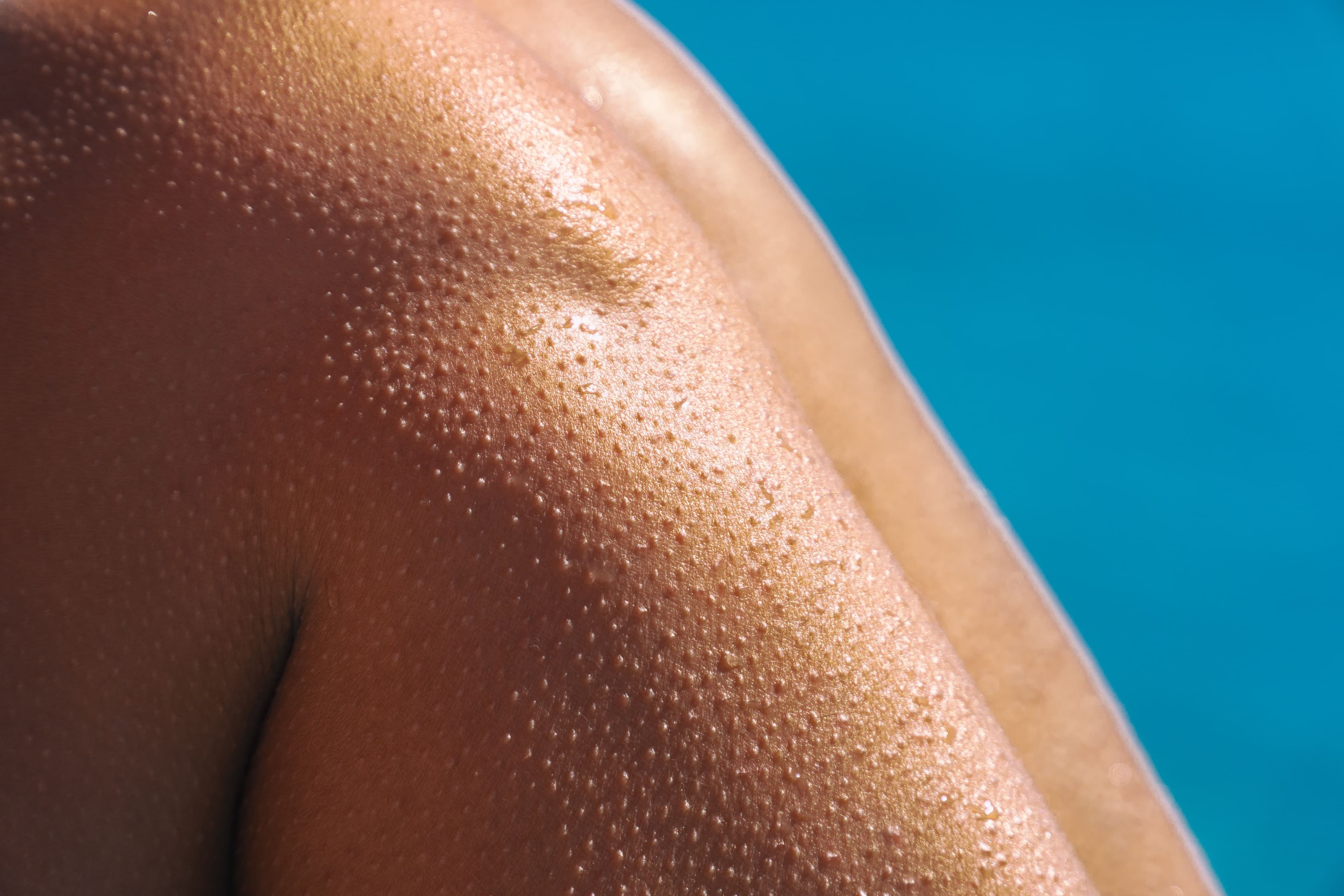
Understanding Keratosis Pilaris
If you've ever looked at your upper arms, thighs, or other areas of your skin and noticed tiny rough bumps that won't seem to go away, you're not alone. Many people wonder what these bumps are, whether they're acne, an allergic reaction, or something else entirely.
In many cases, these bumps may be related to a common skin condition called keratosis pilaris.
Keratosis pilaris is often harmless, but because of its appearance, it can cause frustration and confusion. Some people refer to it as "chicken skin" or "strawberry skin".
In this guide, we'll explore what keratosis pilaris is, what may contribute to it, why it is often confused with other skin conditions, and when additional guidance may be helpful.
What Is Keratosis Pilaris?
Keratosis pilaris is a common skin condition that causes small, rough bumps to develop around hair follicles.
These bumps often feel dry or sandpaper-like when you run your hand across the skin.
The condition develops when keratin, a protein naturally found in the skin, builds up around hair follicles. This buildup can create tiny plugs that lead to the characteristic rough texture associated with keratosis pilaris.
While the appearance can be bothersome, keratosis pilaris is generally considered harmless and is not contagious.
Why Do People Call It "Chicken Skin"?
One of the most common nicknames for keratosis pilaris is "chicken skin."
People often use this term because the skin can develop a texture that resembles the surface of plucked chicken skin, with numerous small bumps appearing across the affected area.
The bumps themselves are usually small and uniform in appearance, creating a rough texture that many people find more noticeable by touch than by sight.
Because "chicken skin" is such a commonly used term, many individuals search for answers online without realizing there is a medical name for the condition.
Is Keratosis Pilaris the Same as "Strawberry Skin"?
Not exactly.
The term "strawberry skin" is commonly used to describe skin that appears dotted with small dark spots, often around hair follicles.
Some people with keratosis pilaris use the term strawberry skin because the bumps can create a similar appearance, particularly when redness or visible follicles are present.
However, strawberry skin may also be associated with other factors such as shaving, clogged follicles, dry skin, or irritation.
Because these conditions can look similar, many people are unsure exactly what they are experiencing.
Where Does Keratosis Pilaris Commonly Appear?
Keratosis pilaris most commonly affects:
Thighs
Buttocks
Cheeks
Some people notice only a few small patches, while others may experience more widespread areas of rough skin.
The appearance can vary from person to person, which is one reason the condition is often mistaken for other skin concerns.
What Causes Keratosis Pilaris?
The exact reason some people develop keratosis pilaris is not fully understood.
However, researchers believe genetics may play a role, and the condition often appears in multiple members of the same family.
Factors that may be associated with keratosis pilaris include:
Dry skin
Family history
Seasonal changes
Certain skin types
Many people notice that symptoms become more noticeable during colder months when the air tends to be drier.
Keratosis Pilaris vs Razor Burn
One reason people search for answers about rough bumps on their skin is because keratosis pilaris can sometimes resemble razor burn, especially on the legs and thighs.
Both conditions may involve small bumps around hair follicles and can create a rough or uneven appearance.
However, there are some differences people commonly notice.
Razor burn often includes:
Redness after shaving
Irritation or burning sensations
Itching or discomfort
Bumps that appear shortly after hair removal
Symptoms that improve as the skin heals
Keratosis pilaris is more commonly associated with:
Small rough bumps
A sandpaper-like texture
Dry skin
Persistent bumps that remain even when shaving habits change
A more uniform appearance
Another reason the two conditions are often confused is because some people use the term "strawberry skin" to describe both. While razor burn and clogged follicles can contribute to a strawberry skin appearance, keratosis pilaris may also create a similar look due to the buildup of keratin around hair follicles.
Because there can be overlap in appearance, it is not always easy to determine the cause of rough bumps based on appearance alone.
What Can Help Improve the Appearance of Keratosis Pilaris?
While keratosis pilaris can be frustrating, many people focus on skincare approaches that help support smoother-looking skin.
Commonly discussed options include:
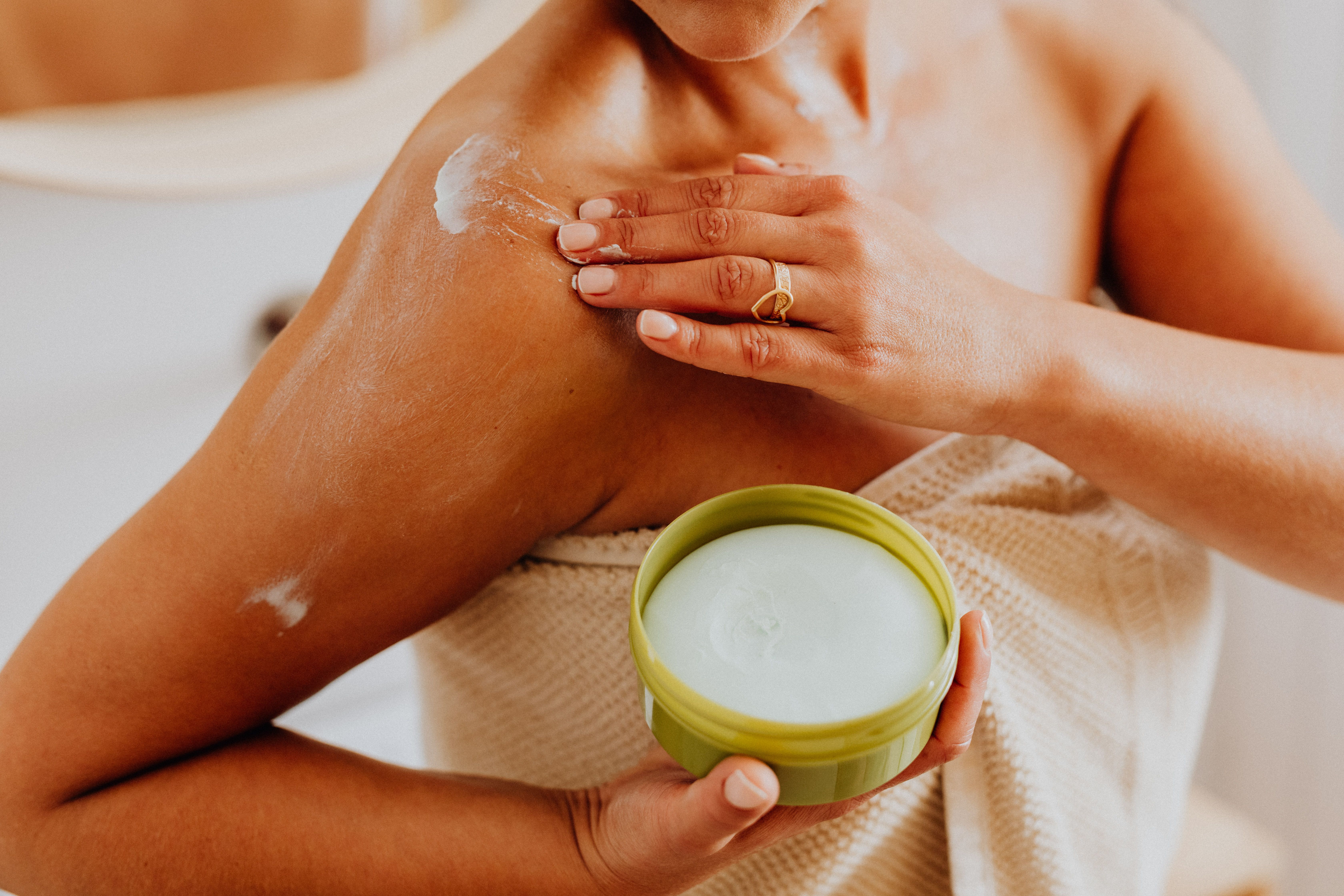
Keeping the skin well moisturized
Avoiding harsh scrubs or excessive irritation
Maintaining a consistent skincare routine
Some people also choose products containing ingredients such as:
These ingredients are commonly found in products designed for rough or uneven skin texture. Because everyone's skin is different, results can vary, and consistency often plays an important role when managing rough, bumpy skin.
Common Habits That May Affect Rough Skin
When people notice rough bumps, they often try numerous products in an effort to improve the appearance of their skin.
Some common examples include:
Frequently changing skincare products
Over-exfoliating
Using harsh scrubs
Introducing multiple products at once
While these approaches may feel logical, making too many changes at one time can sometimes make it more difficult to understand how the skin is responding.
Consistency may sometimes provide more clarity than constantly changing routines.
When Additional Guidance May Help
Although keratosis pilaris is generally harmless, there may be situations where additional guidance is helpful.
You may consider seeking additional support if:
The bumps become increasingly bothersome
Symptoms seem to be changing
You are unsure whether the condition is keratosis pilaris or something else
Multiple approaches have been tried without clarity
Because many skin conditions can appear similar, it is not always easy to identify the cause of rough bumps on your own.
Understanding Your Next Step
Telederm offers an online process designed to make dermatology care easier to access.
Patients can:
Select their skin concern
Complete guided questions
Upload photos
Have their case reviewed by a licensed provider
If treatment is medically appropriate, a provider may recommend a personalized plan based on the details of the visit.
Individuals seeking additional information can also learn more about Telederm's services and supported skin concerns through the platform.
Understanding the Bigger Picture
If you've been wondering why you have tiny bumps on your arms, thighs, or other areas of your skin, keratosis pilaris may be one possible explanation.
Often referred to as chicken skin and sometimes associated with what people call strawberry skin, keratosis pilaris is a common condition that can create rough, bumpy patches on the skin.
While it can be frustrating, understanding what may be contributing to the appearance of these bumps can sometimes make the next steps feel a little clearer.
Telederm Clinical Team, MD | RPh | PharmD | FAAD
Dermatology & Clinical Content Team · Telederm.me
Keep reading.
All in Skin Conditions →
A GLP-1 Can Change More Than the Number on the Scale
Significant weight loss can bring changes beyond the number on the scale. Learn about common skin and hair changes—including hair shedding, dry skin, and changes in facial appearance—and discover simple ways to support healthy-looking skin throughout your weight-loss journey.
Telederm Clinical Team · Aug 4, 2026
Not All Warts Are the Same: A Surprisingly Interesting Guide to Warts
Warts are more interesting than they get credit for. From common and plantar warts to flat and filiform varieties, learn what causes them, why they look so different, how they spread, and a few facts you probably didn’t know.
Telederm Clinical Team · Sep 23, 2026
Itchy Feet? Fungus Isn’t the Only Suspect
Fungus may be the first thing that comes to mind when your feet start itching, but it isn’t the only possibility. From eczema and contact dermatitis to bacterial infections, several conditions can leave feet itchy, peeling, or irritated.
Telederm Clinical Team · Sep 22, 2026
Rosacea vs Acne: How Can You Tell the Difference?
Redness. Bumps. Sensitive skin. Breakouts that don't seem to go away. If you've been trying to figure out whether you're dealing with acne, rosacea, or...
Telederm Clinical Team · Aug 4, 2026