
A GLP-1 Can Change More Than the Number on the Scale
Significant weight loss can bring changes beyond the number on the scale. Learn about common skin and hair changes—including hair shedding, dry skin, and changes in facial appearance—and discover simple ways to support healthy-looking skin throughout your weight-loss journey.
 Written byTelederm Clinical Team, MD | RPh | PharmD | FAADDermatology & Clinical Content Team
GLP-1 Weight Loss: Skin and Hair Changes You May Notice
If you've recently started a GLP-1 medication or experienced significant weight loss, you may have noticed changes that extend beyond the number on the scale. While many conversations focus on weight loss itself, some people also notice changes involving their hair, skin, and overall appearance along the way.
It's important to remember that everyone's experience is different. As your body adjusts, changes in nutrition, hydration, body composition, and the natural hair growth cycle may all influence how your skin and hair look and feel.
In this guide, we'll explore several skin and hair changes that are commonly discussed during periods of significant weight loss, why they may happen, and when additional guidance may be helpful.
Hair Shedding After Weight Loss
One of the most common concerns people discuss after significant weight loss is increased hair shedding.
The extra hair in the brush can be alarming, especially if it seems to happen suddenly. However, temporary hair shedding is commonly discussed after periods of physical stress, including rapid weight loss.
Hair naturally grows in cycles. During times of physical change, more hairs may temporarily enter the resting phase of the hair growth cycle, which can lead to increased shedding several weeks or even months later. This temporary type of shedding is often referred to as telogen effluvium.
What May Help
Although everyone's experience is different, some people find it helpful to:
Be patient, as hair growth naturally takes time.
Avoid introducing multiple new hair products at once.
Use gentle hair care practices.
Pay attention to changes over several weeks rather than day to day.
If shedding continues or you're unsure what your next step should be, additional guidance or treatment by our board-certified dermatologists may be helpful.
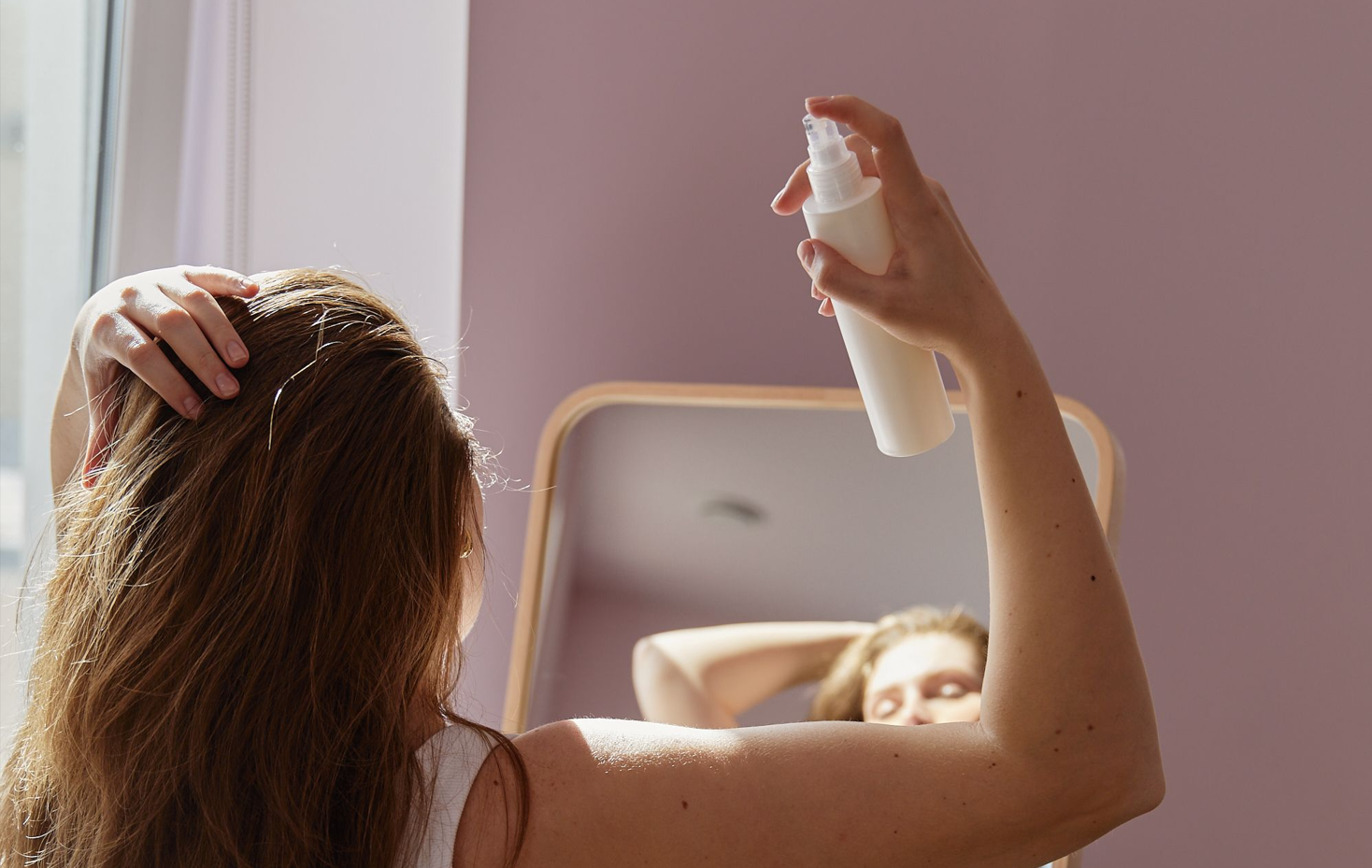
Changes in Facial Appearance ("Ozempic Face")
You may have heard the phrase "Ozempic face" on social media or in the news.
Despite its name, Ozempic face is not a medical diagnosis. Instead, it's a popular term people use to describe changes in facial appearance that some people notice after significant weight loss.
As facial fat decreases, the face may appear:
Less full
More hollow
Less Youthful
Because there is less underlying volume, existing fine lines and wrinkles may also become more noticeable. Some people also feel their skin looks less firm or appears looser than it did before.
What May Help
While skincare products can't restore lost facial volume or eliminate loose skin, many people focus on maintaining healthy, well-hydrated skin as their appearance changes.
Some skincare ingredients commonly discussed for supporting smoother and more hydrated skin include:
Hyaluronic acid, which is known for attracting and retaining moisture to help the skin appear more hydrated and plump.
Peptides, which are commonly included in skincare products designed to support firmer-looking skin.
Ceramides, which help support the skin's natural moisture barrier and reduce moisture loss.
Retinoids, which are frequently used in skincare routines focused on improving the appearance of fine lines, uneven skin texture, and signs of skin aging.
While these ingredients won't replace lost facial volume, they may help improve the overall appearance, texture, and hydration of the skin. Because everyone's skin is different, introducing new products gradually can make it easier to understand what works best for your individual skincare routine.
Why These Changes Can Feel Surprising
Many people begin a weight-loss journey expecting changes in their body weight, but they may not anticipate changes involving their skin or hair.
Seeing increased hair shedding, drier skin, or changes in facial appearance can understandably feel frustrating, especially when you're already adjusting to other changes happening throughout your body.
Fortunately, many of these changes are widely discussed during periods of significant weight loss, and understanding why they happen can sometimes make the experience feel a little less unexpected.
When Additional Guidance May Help
You may find it helpful to seek additional guidance if:
Hair shedding continues over time.
Dryness or irritation becomes persistent.
You're noticing ongoing changes in your skin that concern you.
You're unsure what may be contributing to changes in your hair or skin.
Because skin and hair concerns can have many different contributing factors, getting additional information may help provide more clarity.
Understanding Your Next Step
Telederm offers an online process designed to make dermatology care easier to access.
Patients can:
Select their skin, hair, or scalp concern.
Complete guided questions.
Upload photos.
Have their case reviewed by a board-certified dermatologist licensed in their state.
If treatment is medically appropriate, your dermatologist may recommend a personalized treatment plan based on the details of your visit.
To learn more about the skin, hair, and scalp concerns Telederm evaluates—or to see how our online dermatology process works—visit our Services page.
Looking Beyond the Scale
Significant weight loss can bring many positive changes, but it's not uncommon for people to notice changes in their hair, skin, or overall appearance along the way.
Understanding that increased hair shedding, dry skin, facial volume changes, and more noticeable fine lines are commonly discussed during periods of significant weight loss can help provide reassurance and a better understanding of what you may be experiencing.
If these changes feel persistent or you're looking for personalized guidance, a board-certified dermatologist can help evaluate your concerns and recommend next steps tailored to your individual needs.
Telederm Clinical Team, MD | RPh | PharmD | FAAD
Dermatology & Clinical Content Team · Telederm.me
Keep reading.
All in Skin Conditions →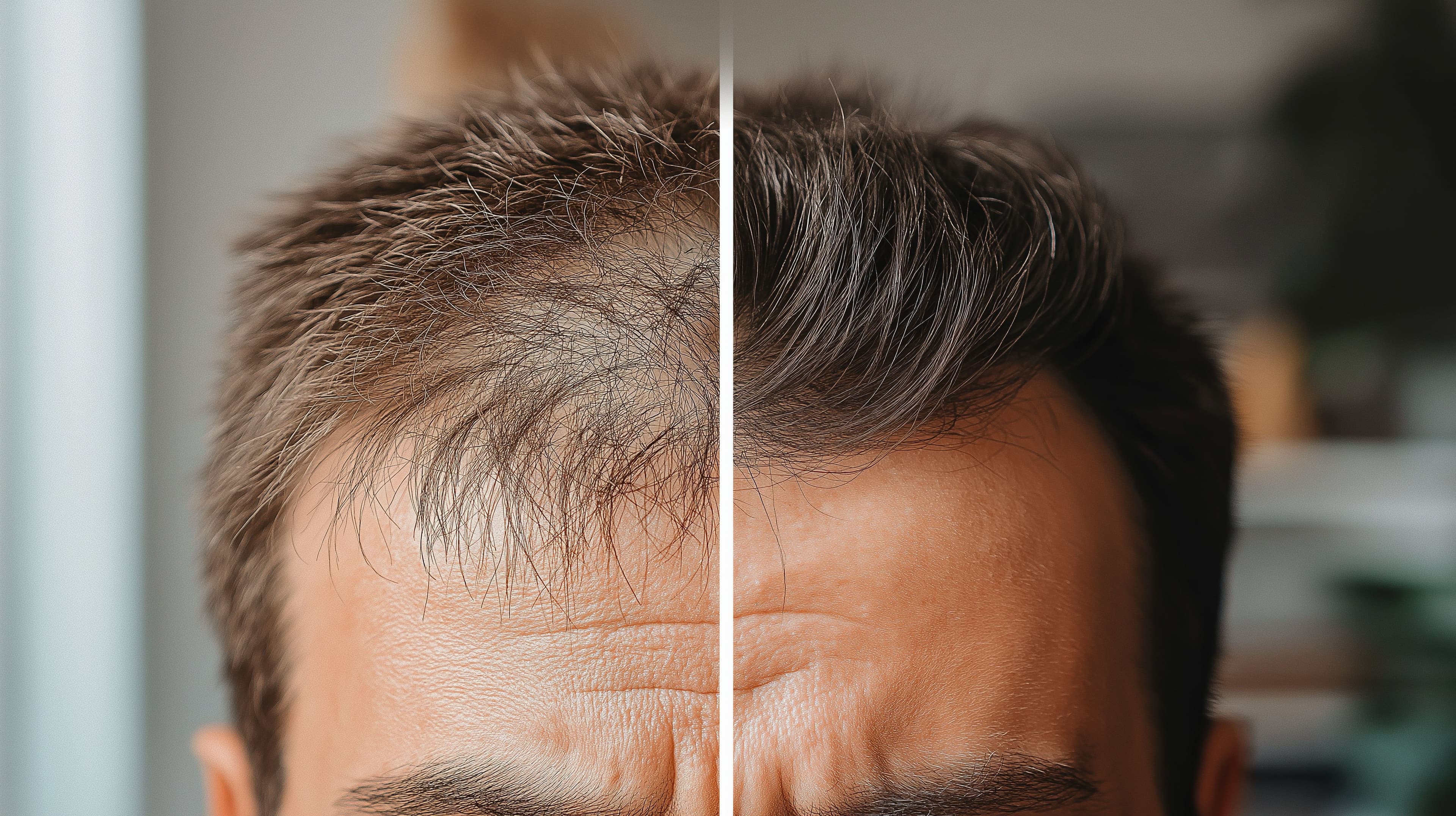
Does Minoxidil Have to Be Forever?
If you've been avoiding minoxidil because you don't want to be on it forever, the answer may be more nuanced than you think. Here's what a board-certified dermatologist actually says about long-term use.
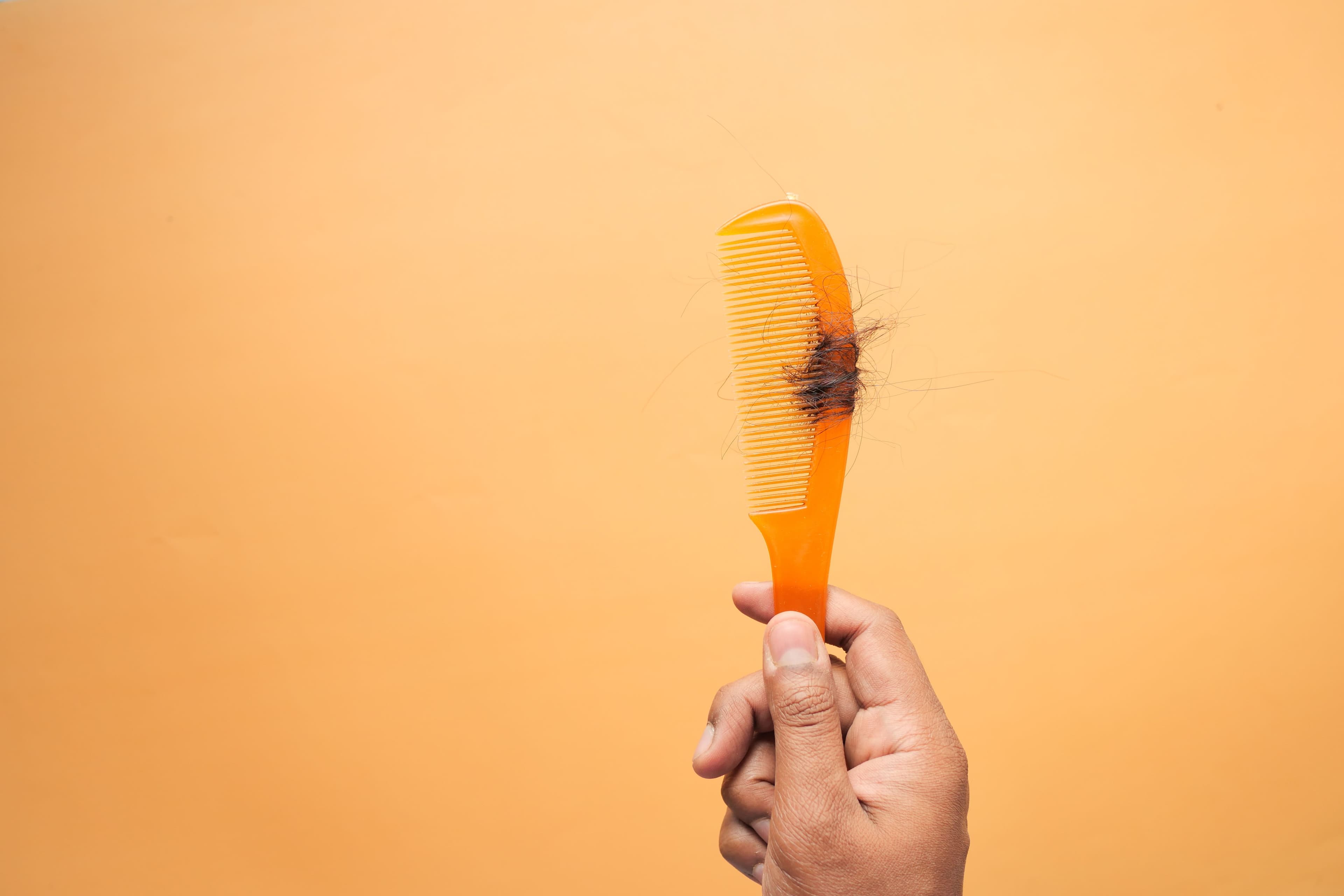
Hair Shedding vs Hair Loss: What's the Difference?
Noticing more hair in your brush or shower drain? Learn the differences between hair shedding and hair loss, common causes, and signs that may help you better understand what's happening.
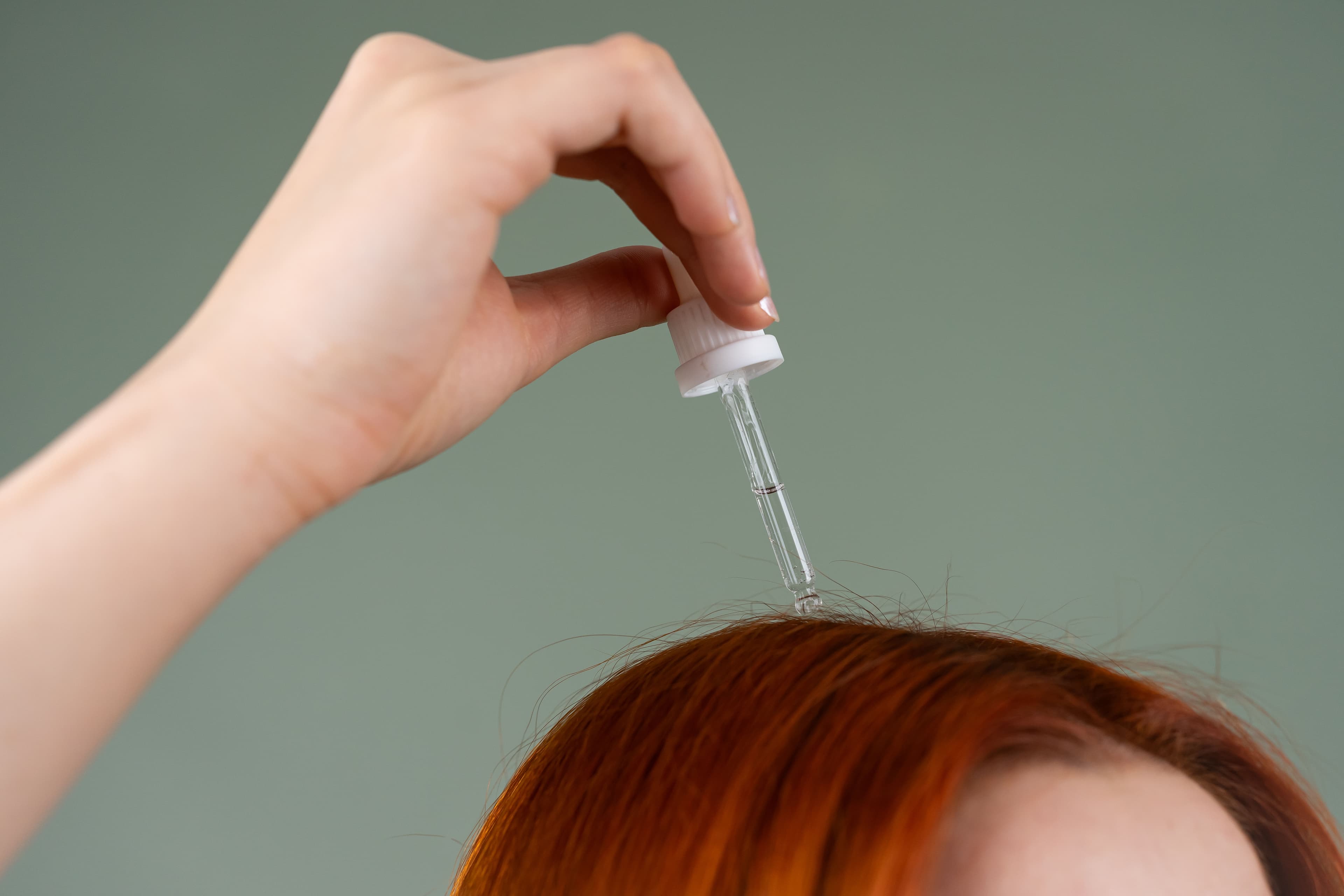
Dandruff vs Seborrheic Dermatitis: Key Differences
Dandruff and seborrheic dermatitis can cause similar symptoms, but they aren't exactly the same. Learn the key differences, common causes, and when professional support may help.
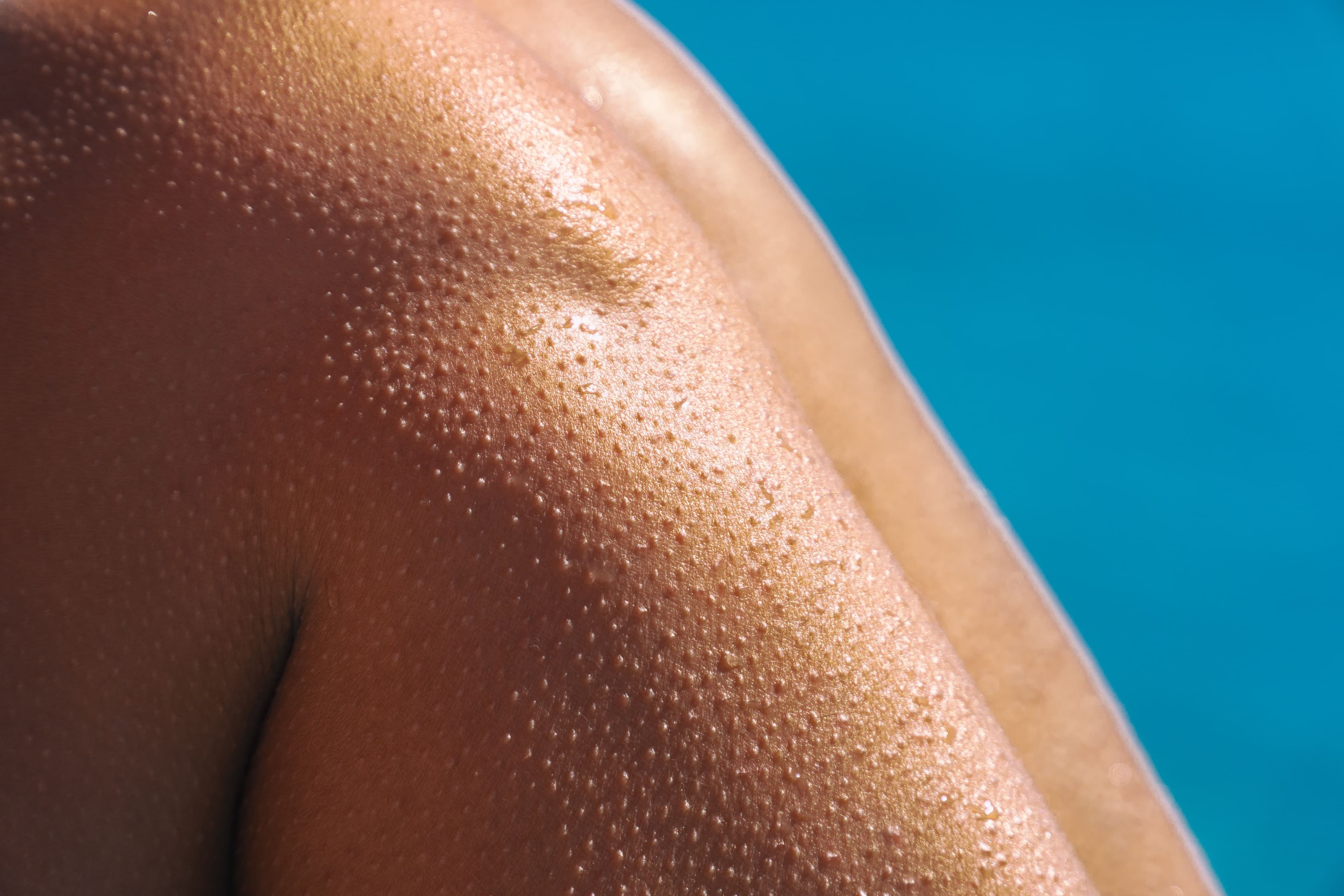
Keratosis Pilaris Explained: Why Those Rough Bumps Appear
Tiny rough bumps on the arms, thighs, or cheeks are often caused by keratosis pilaris, a common skin condition sometimes called "chicken skin" or "strawberry skin." Learn what may contribute to these bumps and why they're often mistaken for other skin concerns.
Telederm Clinical Team · Aug 13, 2026