
Understanding the Eczema Cycle
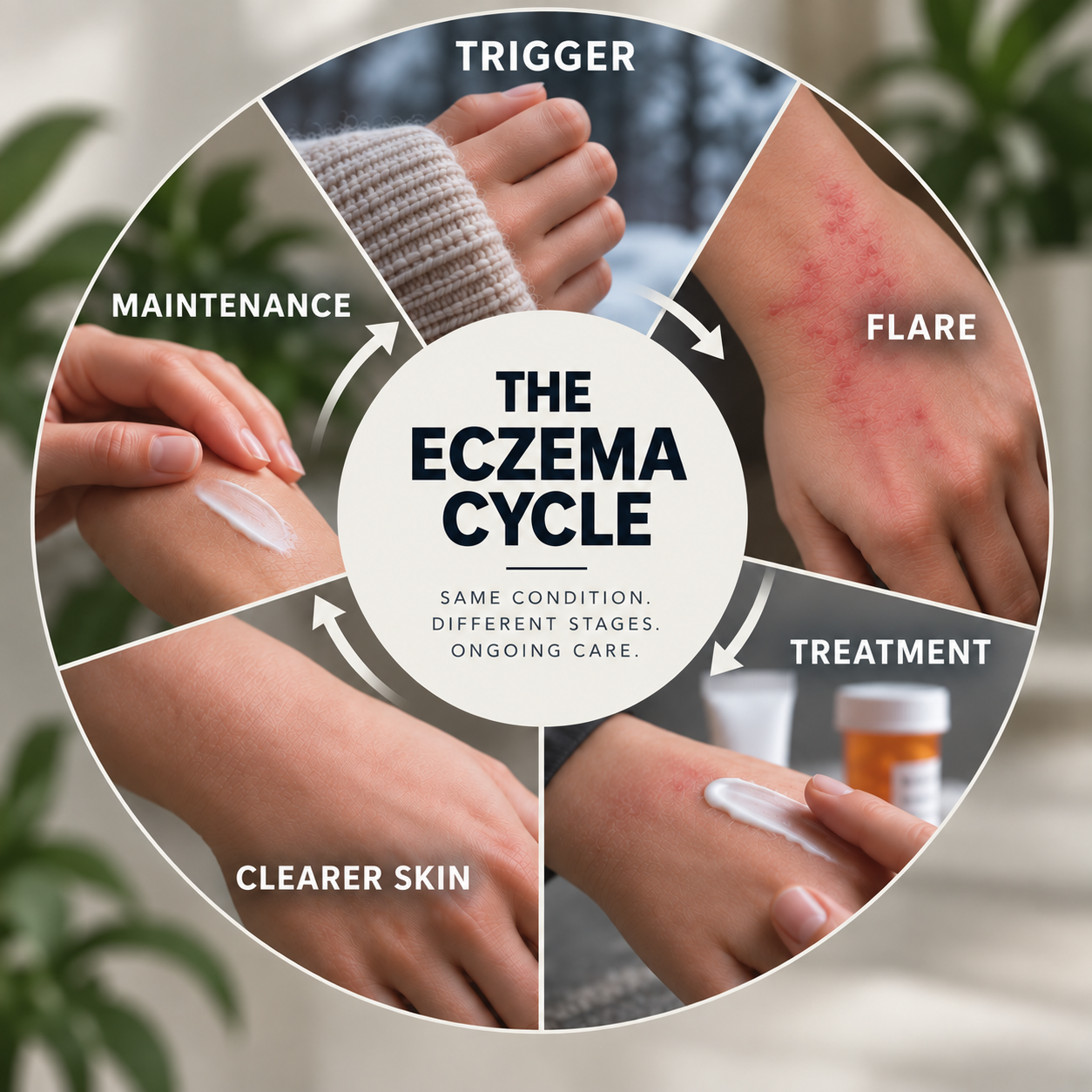
Eczema doesn’t always follow a straight path. A flare may improve or even clear with treatment, only to return later. Understanding the cycle from triggers and treatment to clearer skin and maintenance can make eczema easier to manage over time.
 Written byTelederm Clinical Team, MD | RPh | PharmD | FAADDermatology & Clinical Content Team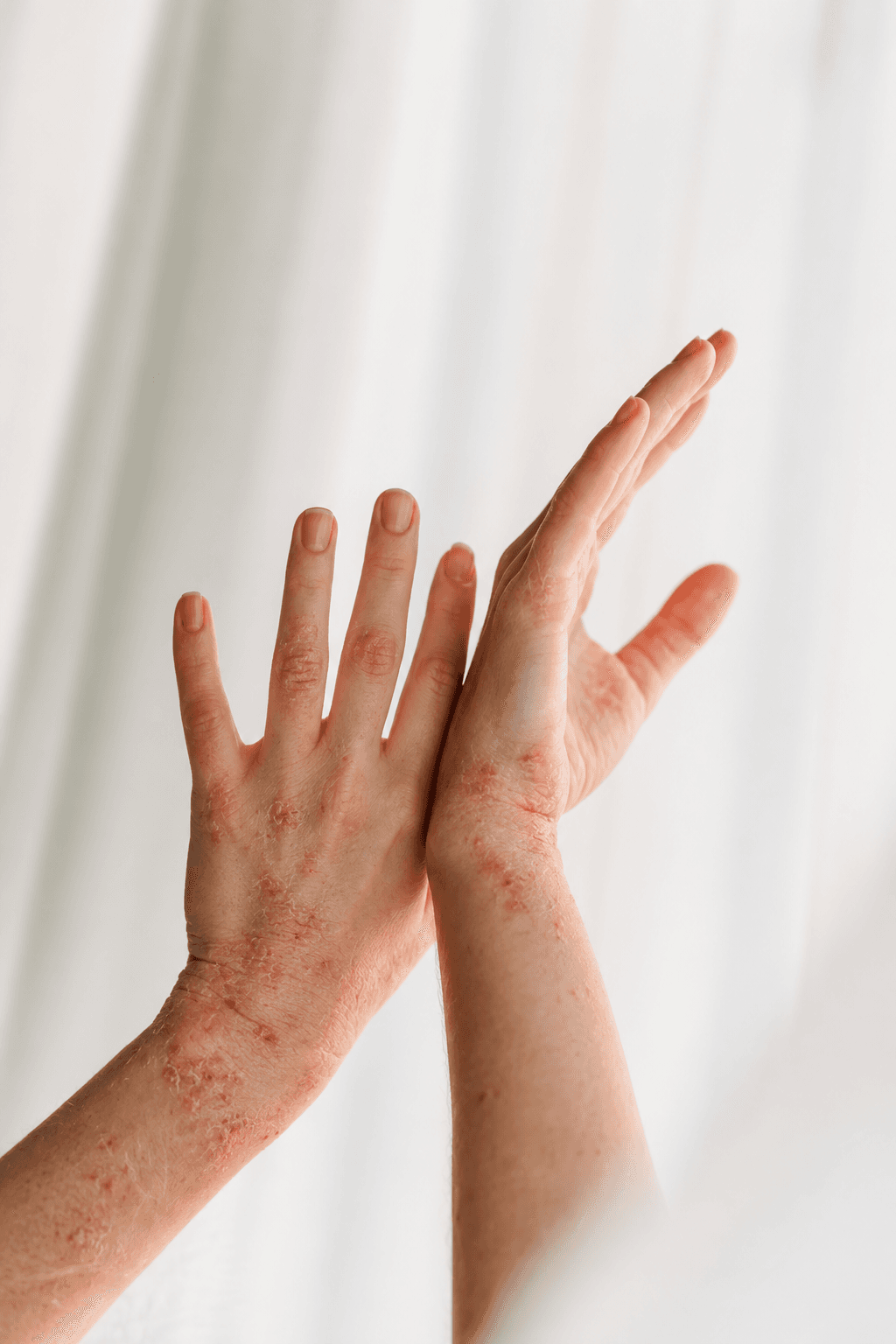
Eczema can be frustrating for one simple reason: just when it seems like it's finally gone, it can come back.
You treat the flare. The itching settles down. The redness or discoloration fades. Your skin begins to feel normal again. Sometimes it may even become completely clear.
Then another flare happens.
This pattern is common with atopic dermatitis, the most common type of eczema. Atopic dermatitis is a chronic condition, which means treatment can control it, but there currently isn't a cure. People can experience periods when symptoms are active, known as flares, followed by periods when the skin improves or even clears completely.
That's why understanding eczema isn't only about knowing how to treat a rash. It's about understanding the cycle that can happen before, during, and after a flare.
Trigger → Flare → Treatment → Improvement → Maintenance → Trigger → Flare
1. Something Triggers a Flare
The eczema cycle often becomes most noticeable when symptoms suddenly become active again.
During a flare, skin may become dry, itchy, inflamed, irritated, cracked, or uncomfortable. The exact symptoms and where they appear can vary from person to person.
The same is true of triggers.
Skincare products, fragrances, harsh detergents, hot or cold weather, wool clothing, stress, and other irritants can contribute to flares in some people. But there isn't one universal list that applies to everyone, and some people may not be able to identify a specific trigger at all.
This is why learning your own patterns can become an important part of managing eczema over time.
2. The Flare Is Treated
Once eczema becomes active, the focus shifts to getting the symptoms back under control.
For many people, managing eczema includes caring for the skin during a flare and continuing good skin care even after it improves. This may include using treatments recommended by a healthcare provider, moisturizing regularly, and choosing gentle products that are less likely to irritate the skin.
The treatment that worked for someone else isn't necessarily the treatment that's right for you. A dermatologist may consider where the eczema appears, how severe it is, your age, how your skin has responded to previous treatments, and other individual factors when developing a treatment plan.
3. Sometimes a Cream Isn't Enough
Topical treatments can work well for many people with eczema, but there are times when symptoms may need another look.
If eczema keeps returning quickly after treatment, affects large areas of the body, causes itching that disrupts sleep, becomes painful or cracked, or continues to interfere with everyday activities, it may be worth checking in with a dermatologist.
Persistent symptoms do not always mean that a treatment has “failed.” Sometimes the treatment plan needs to be adjusted, a trigger needs to be identified, or the severity of the eczema has changed.
A dermatologist can also look for other factors that may be making eczema harder to control, such as skin infection, irritation from products, or another skin condition that can look similar to eczema.
For some people, managing eczema may involve more than one type of treatment over time. The important point is that eczema treatment can change as the condition changes, and a plan that worked during one stage may need to be adjusted during another.
4. The Skin Improves
With successful treatment, the itching may decrease, inflammation can settle down, and the affected skin may become much clearer.
Sometimes it can look like the eczema has disappeared completely.
This is where the eczema cycle can become confusing.
Clear skin doesn't necessarily mean eczema has been cured.
Atopic dermatitis can alternate between flares and periods of remission. During remission, symptoms may be significantly reduced or absent. That period could last for some time, but another flare can still occur later.
So when eczema returns after treatment worked, it doesn't automatically mean that treatment failed.
It may simply mean that a chronic condition has become active again.
5. Clearer Skin Doesn't Mean Skin Care Stops
One of the most important parts of understanding eczema is recognizing what happens between flares.
When the skin looks better, it can be tempting to stop thinking about eczema altogether. But this calmer period is still part of eczema management.
Regular moisturizing, gentle skin care, and avoiding known triggers can help support the skin and may help reduce future flares. Moisturizers aren't only about making dry skin feel better. They are an established part of atopic dermatitis management and can help increase the time between flare-ups.
For people whose eczema frequently returns in the same areas, a dermatologist may sometimes recommend a proactive or intermittent prescription treatment even after a flare has settled. The exact maintenance plan depends on the individual.
In other words, there can be an important difference between treating a flare and managing eczema.
6. Another Trigger Can Restart the Cycle
Even when eczema is well controlled, another flare can happen.
Maybe the weather changes. Stress increases. A new product irritates the skin. You come into contact with something you've learned tends to bother your eczema.
Or maybe there isn't an obvious explanation.
Symptoms begin to return, treatment may be needed again, and the cycle starts over:
Trigger → Flare → Treatment → Improvement → Maintenance → Trigger → Flare
That repeating pattern doesn't mean you're doing something wrong.
It's part of why eczema is considered a chronic condition and why long-term management matters.
Managing the Cycle, Not Just the Flare
It can be easy to think of eczema treatment as something you use when the rash appears and stop thinking about when the rash disappears.
But managing eczema can involve more than responding to the current flare.
The goal of an eczema treatment plan may include controlling inflammation and itching when symptoms are active, helping the skin heal, keeping the skin moisturized, identifying and reducing triggers when possible, preventing infections, and reducing future flares.
And that plan may change over time.
Someone with a relatively mild flare may need topical treatment. Someone with more significant or difficult-to-control eczema may need a dermatologist to consider additional options, including oral medication when appropriate. Once the eczema is controlled, the focus may shift toward maintenance and helping the skin stay calmer for longer.
Then, if another flare occurs, treatment can be adjusted again.
How Telederm Can Help
Because eczema can change over time, treatment isn't necessarily a one-and-done decision.
At Telederm, a board-certified dermatologist can review your symptoms, photos, health history, previous treatments, and how your eczema has been behaving over time.
If treatment is appropriate, a dermatologist can discuss options based on your symptoms, health history, and previous treatment response.
The goal isn't to promise that eczema will never come back. It's to develop a plan for controlling today's flare while also thinking about what happens after the skin gets better.
The Bottom Line
Eczema can improve dramatically with treatment. It can become much less noticeable. It can even clear completely for a period of time.
But improvement and cure aren't the same thing.
Atopic dermatitis is a chronic condition, and for many people, managing it means moving through periods of flares and periods of clearer skin.
Understanding that cycle can make eczema feel a little less confusing.
A flare happens. You treat it. The skin improves. You continue caring for it. And if eczema returns, you already have a better understanding of what comes next.
This article is for informational purposes only and does not constitute medical advice. Individual results vary. Treatment decisions should be made in consultation with a licensed healthcare provider. Compounded medications are not FDA-approved.
Telederm Clinical Team, MD | RPh | PharmD | FAAD
Dermatology & Clinical Content Team · Telederm.me
Keep reading.
All in Eczema →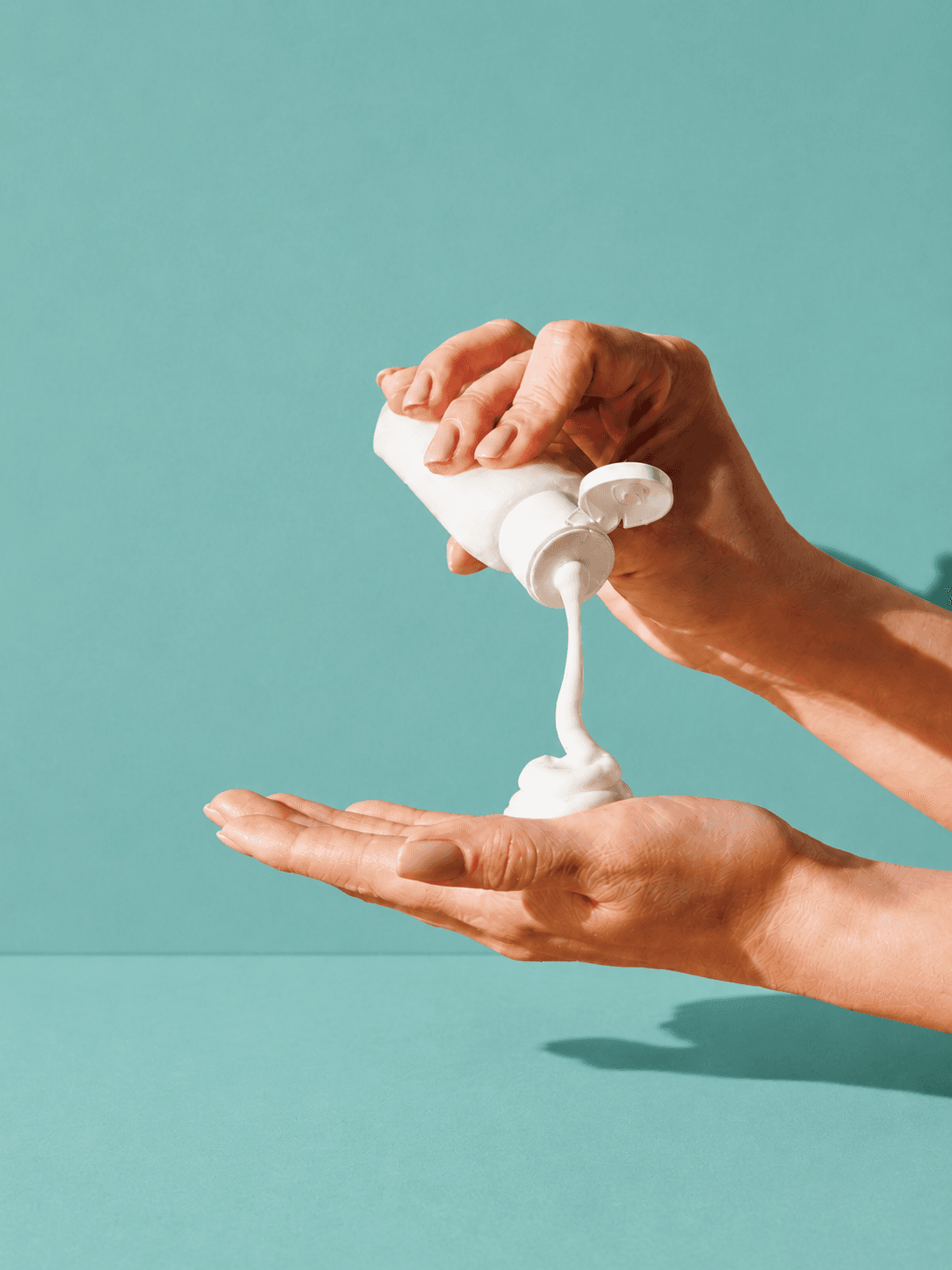
The Dermatologist's Overnight Hand Repair Method
Give dry, rough hands an overnight reset with a simple soak, moisturize, and cotton glove routine designed to help lock in hydration.
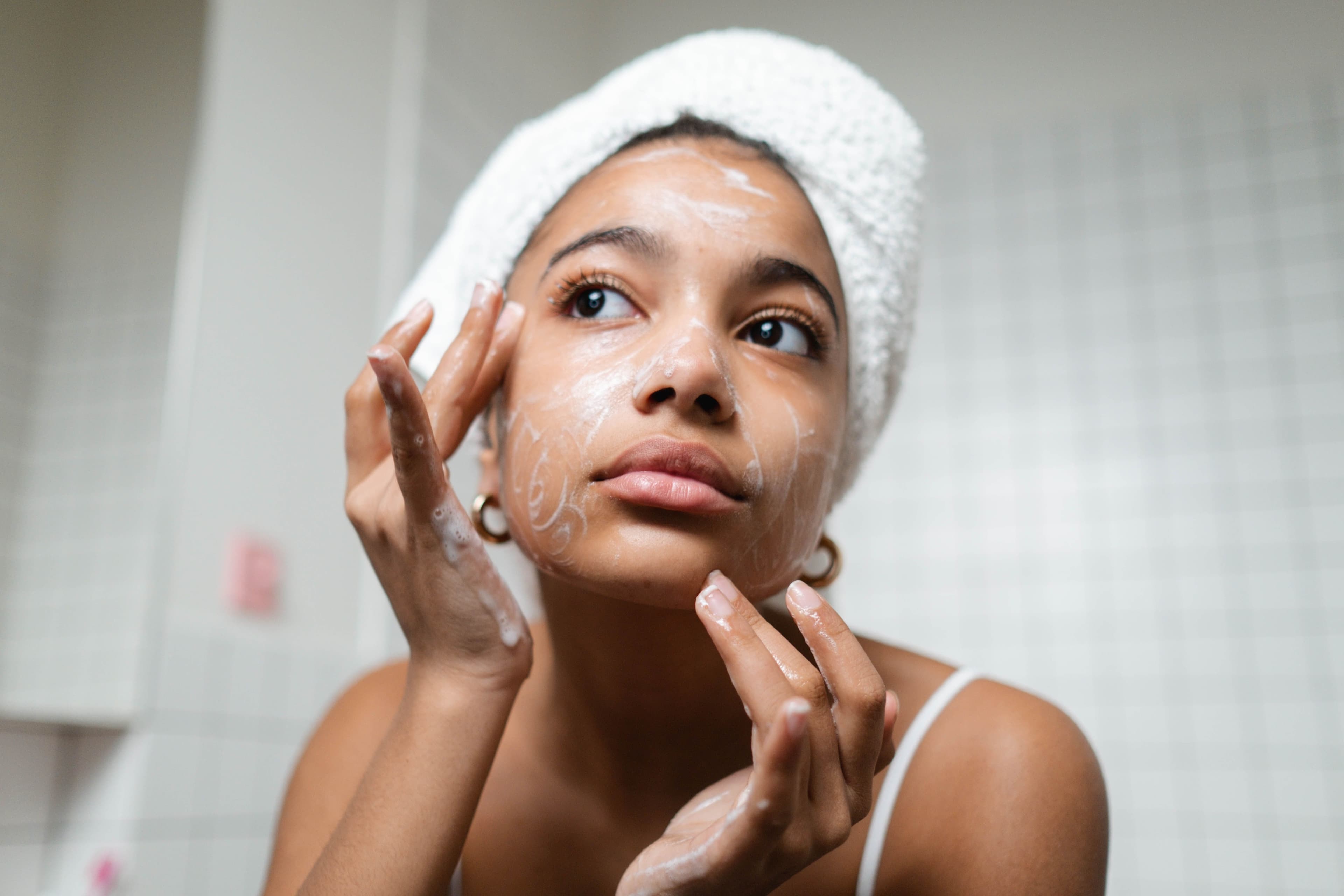
Skin Barrier Repair: Signs Your Skin Needs Support
If your skin suddenly feels dry, tight, or irritated, your skin barrier may need extra support. Learn what affects the skin barrier and discover simple habits that may help restore healthier-looking skin.
Myth #3: Pores Can Open and Close
Pores can look more noticeable for plenty of reasons. This post breaks down the myth and explains what actually changes the way they look.
Telederm Clinical Team · Sep 21, 2026
Myth #1: Oily Skin Doesn't Need Moisture
If your skin already feels oily, adding moisturizer might sound like the last thing you need. But oil and moisture tell two different stories.
Telederm Clinical Team · Aug 24, 2026