
Is Your Lip Balm Making Your Lips Drier?
If your lips always seem dry despite frequent lip balm use, the ingredients in your favorite product could be contributing to the problem. Discover which ingredients may cause irritation and why inexpensive options like petroleum jelly can sometimes provide better relief.
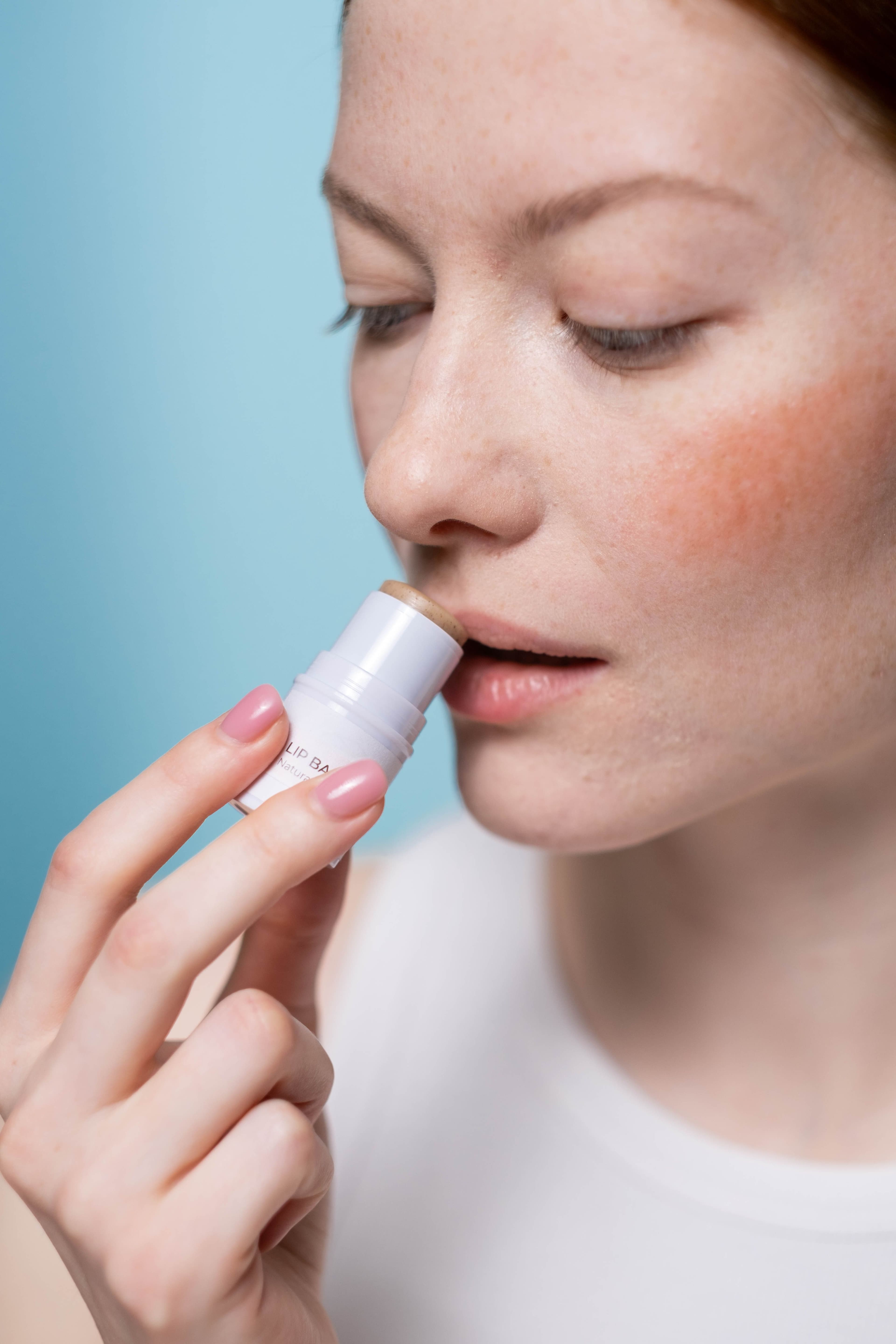
For something as small as a tube of lip balm, it can become a surprisingly permanent fixture in your daily routine. You keep one in your bag, another on your nightstand, and perhaps a backup in your car, yet your lips never seem to stay moisturized for very long. No matter how frequently you apply it, the dryness always seems to return.
It's easy to assume that chronically dry lips simply require more frequent moisturizing. However, the problem may have less to do with how often you're applying lip balm and more to do with what's actually in it. Certain ingredients can aggravate sensitive lips, while others provide only temporary comfort without adequately protecting against moisture loss.
Understanding that difference can save you a considerable amount of frustration, not to mention money spent on products that never quite deliver.
Why Some Lip Balms Keep You Reaching for More
The idea that your lips can become physically addicted to lip balm is a misconception. However, a cycle of repeated application and recurring discomfort can develop when a product isn't adequately addressing dryness or is contributing to irritation.
The lips are particularly susceptible to moisture loss because their outer protective barrier differs from that of surrounding facial skin. The same principles behind maintaining a healthy skin barrier apply here: protecting against moisture loss and avoiding unnecessary irritation can make a meaningful difference in how comfortable your skin feels. Environmental factors such as cold temperatures, low humidity, wind, and habitual lip licking can further compromise comfort, making an effective protective product especially important.
Some lip balms contain ingredients intended to create a cooling, refreshing, or tingling sensation. Menthol, camphor, fragrances, and certain flavoring agents may make a product feel more noticeable during application, but they can also irritate sensitive or already-chapped lips. For someone experiencing irritation from one of these ingredients, frequent reapplication may perpetuate the problem rather than resolve it.
This doesn't mean scented or flavored products are universally harmful. It does mean that persistent dryness, burning, or peeling should prompt a closer look at the formula rather than an automatic increase in how often it's applied.
Why Simple Ingredients Often Work Better
Lip care has become an increasingly elaborate category, with expensive overnight masks, plumping treatments, and multi-ingredient formulas promising softer, smoother lips. While some of these products can be effective, a higher price or longer ingredient list doesn't necessarily translate to better moisture retention.
The most useful ingredients generally fall into a few categories, each serving a different purpose.
Petrolatum: Protecting Against Moisture Loss
Petrolatum, commonly known as petroleum jelly, is one of the most straightforward options for protecting dry lips. As an occlusive ingredient, it forms a barrier over the skin that reduces water loss and helps maintain existing moisture.
Unlike products that primarily provide a pleasant sensation or temporary softness, plain petroleum jelly focuses on a fundamental need of dry lips: preventing moisture from escaping. Its simplicity, low cost, and generally good tolerability make it a practical starting point for people who struggle with persistent chapping.
Hyaluronic Acid: Supporting Hydration
Hyaluronic acid is a humectant, which means it attracts and binds water. In a lip product, it can contribute to hydration and improve the feeling of dryness, particularly when incorporated into a formula that also contains protective ingredients.
However, humectants and occlusives serve different functions. While hyaluronic acid helps bind water, ingredients such as petrolatum help limit its loss. A formulation that combines these approaches may be more useful than relying on a hydrating ingredient alone.
Oils and Emollients: Softening and Conditioning
Emollients help soften the skin and improve its texture, making them useful components of many lip products. Mineral oil is one familiar example, while certain plant-derived oils can provide similar conditioning benefits.
The distinction worth remembering is that natural ingredients aren't automatically gentler. Botanical extracts and essential oils can contain fragrance compounds or other substances capable of triggering irritation or allergic reactions. For particularly sensitive lips, a shorter ingredient list with fewer potential irritants may be preferable.
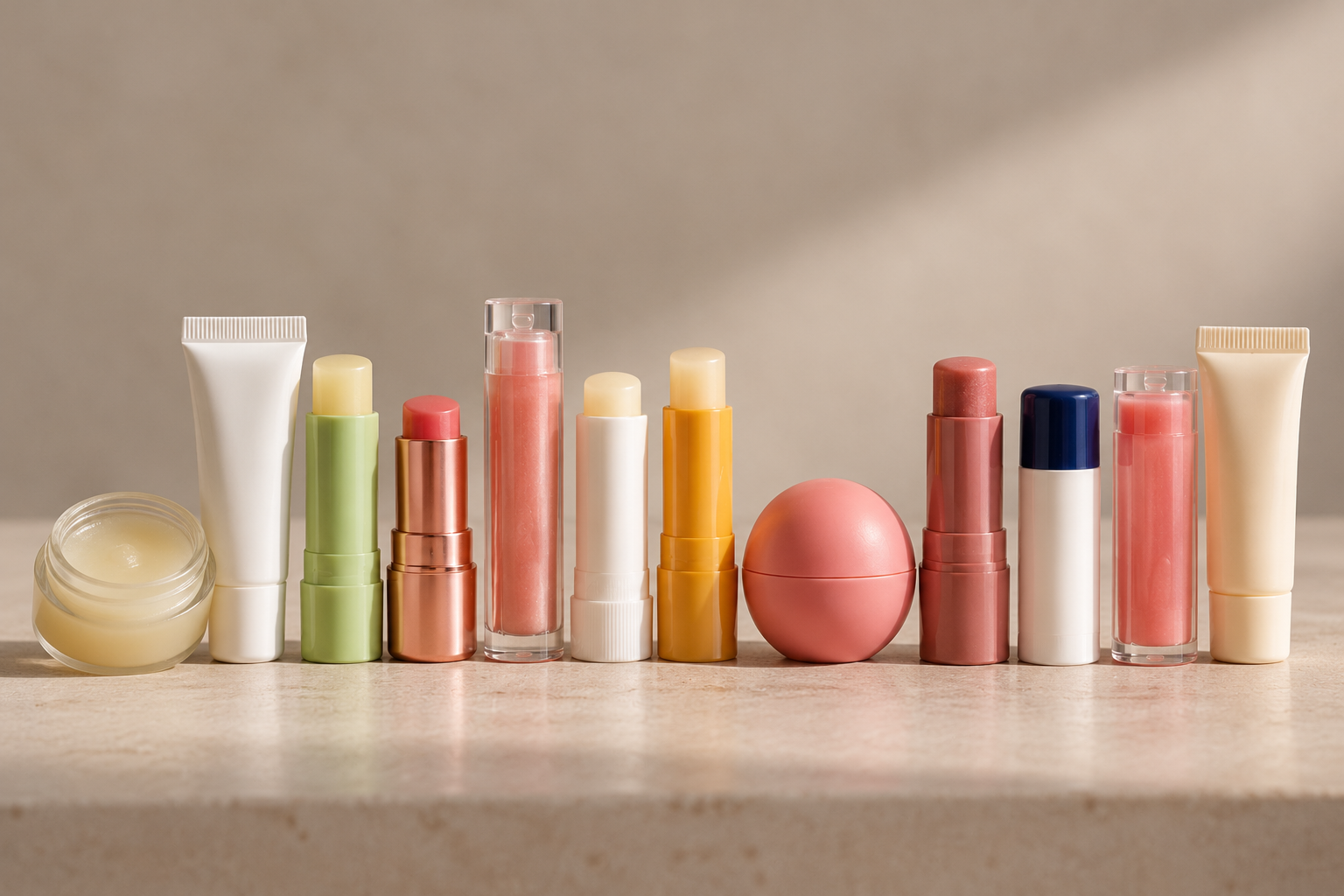
How to Choose a Lip Product That Actually Helps
Rather than judging a lip balm by its price, packaging, or the sensation it creates, consider what your lips need most. If they're dry and cracked, a bland, fragrance-free ointment containing petrolatum may be a better choice than a flavored balm with a noticeable cooling effect.
Applying a protective product before bed and during exposure to cold or dry conditions can also be helpful. It's equally important to avoid repeatedly licking or picking at the lips, since these habits can worsen irritation and interfere with healing.
There is no need to abandon a product that works well for you simply because it contains multiple ingredients. The goal is to find a formula that provides lasting comfort without causing additional irritation.
When Dry Lips Need More Than Moisturizer
Persistent lip dryness isn't always a straightforward moisture problem. Allergic or irritant contact cheilitis, eczema, and other inflammatory conditions can produce cracking, peeling, redness, or burning that may not improve with ordinary lip care.
Potential triggers aren't limited to lip balm. Toothpaste, cosmetics, oral care products, and repeated exposure to saliva can also contribute to irritation. When symptoms persist despite switching to gentle products and avoiding obvious irritants, a dermatologist can help investigate the cause and recommend appropriate treatment.
For many people, effective lip care doesn't require an expensive collection of products. A simple formula that protects against moisture loss and avoids ingredients their skin finds irritating may be all that's needed. Sometimes the least exciting product on the shelf is also the one that makes the most sense.
Keep reading.
All in Routines →
Why Your Skincare Pills (And How to Stop It)
Ever notice tiny balls forming when you layer your skincare? The problem may be how your products interact. Explore the science behind skincare pilling, which ingredients to look for, and simple ways to prevent it.
 Telederm Clinical Team · Oct 19, 2026
Skin Barrier Repair: Signs Your Skin Needs Support
If your skin suddenly feels dry, tight, or irritated, your skin barrier may need extra support. Learn what affects the skin barrier and discover simple habits that may help restore healthier-looking skin.
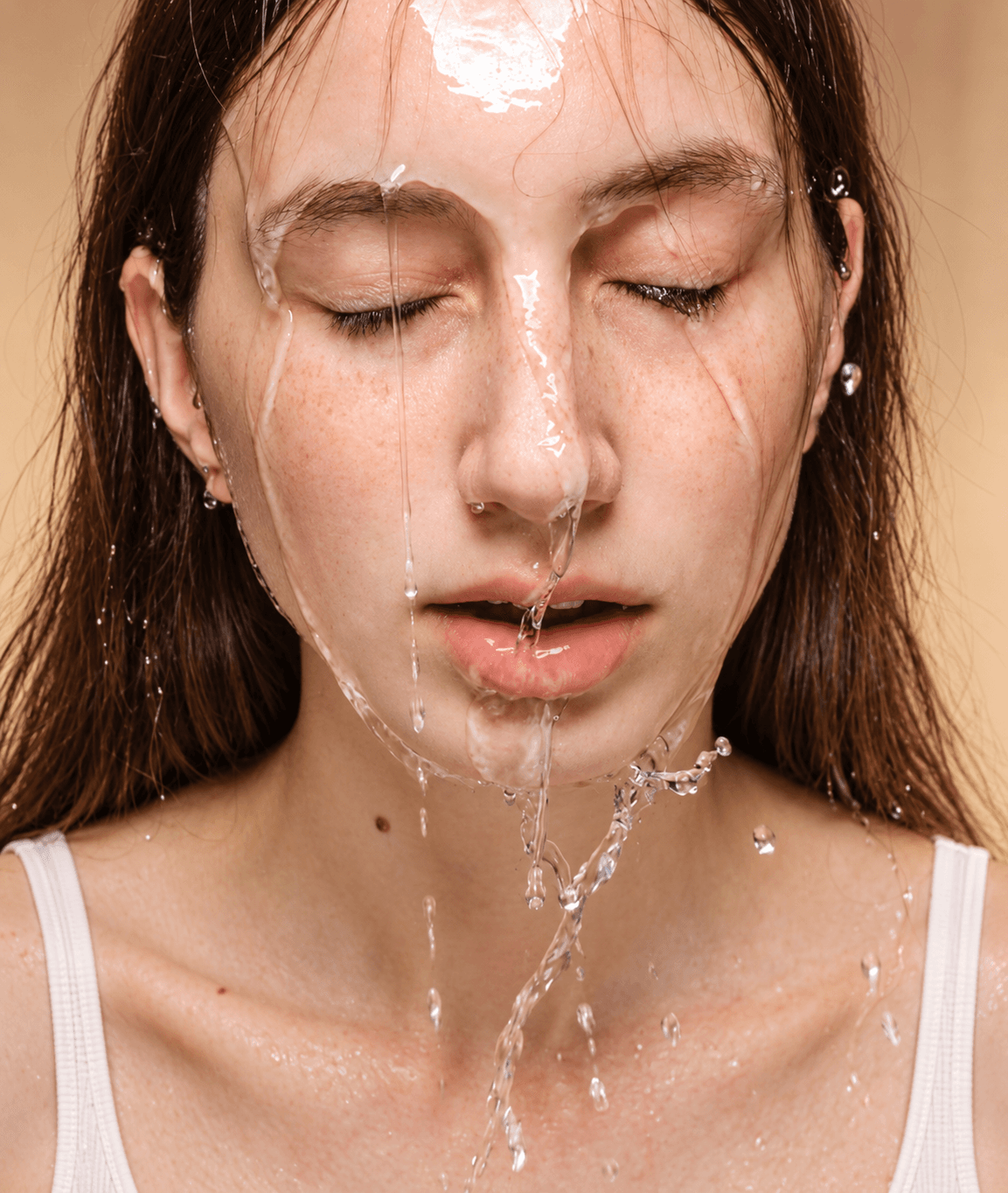
Skincare Trend or Holy Grail? Let's Talk Slugging and Flooding
Slugging and skin flooding have taken over skincare routines, but are they worth the hype? Explore the science behind these viral trends, their benefits, and how to decide which approach is right for your skin.
Telederm Clinical Team · Oct 21, 2026
Myth #4: Pores Can Open and Close
Pores can look more noticeable for plenty of reasons. This post breaks down the myth and explains what actually changes the way they look.
Telederm Clinical Team · Sep 21, 2026