
The Science of Skin Purging
Starting a new skincare treatment can sometimes make your skin look worse before it improves. But is it actually purging, or is something else happening? Explore the science behind early breakouts, retinoid adjustment, and the signs that your skin may need a different approach.
 Medically reviewed byKnox Beasley, MD, FAADDermatologist
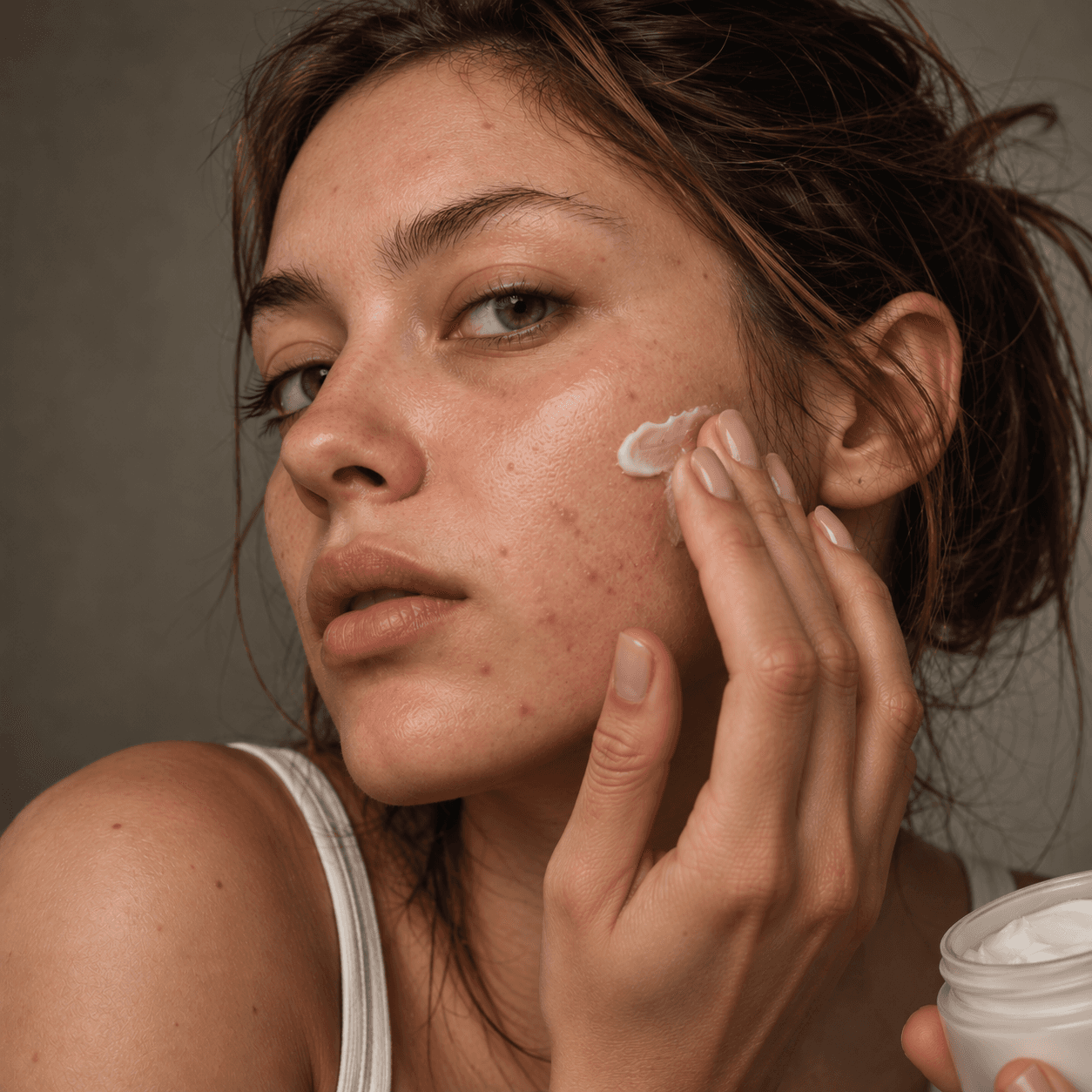
You start a new skincare routine. Maybe it's a retinol serum you've been meaning to try, a prescription tretinoin cream, or an acne treatment recommended by your dermatologist. You're expecting clearer, smoother skin.
Instead, two weeks later, you're staring at a breakout that wasn't there before.
The internet has a name for this: skin purging.
It's become such a familiar part of skincare conversations that some people practically expect their skin to get worse before it improves. But there's an important difference between an adjustment period, a temporary acne flare, and a treatment that's genuinely irritating your skin.
And despite how confidently the term gets thrown around online, the science behind skin purging is more complicated than the usual explanation suggests.
What Is Skin Purging, Exactly?
Skin purging is a popular skincare term used to describe a temporary increase in acne-like lesions after beginning certain active ingredients, particularly retinoids.
It's not a formal dermatologic diagnosis with one universally accepted definition. In clinical practice, a more precise discussion might involve early acne worsening, retinoid-associated irritation, or the expected time it takes for acne treatment to produce visible improvement.
These aren't necessarily the same thing.
The familiar explanation is that certain products speed up skin-cell turnover, bringing clogged pores to the surface faster than they would otherwise appear. While that description contains a piece of the underlying biology, it oversimplifies what happens inside the skin.
To understand why, it helps to look at how acne begins before a pimple is even visible.
The Breakout Before the Breakout: What's Happening Inside Your Pores?
Acne doesn't usually begin the moment a red bump appears.
Within a hair follicle, dead skin cells can accumulate alongside sebum, the oily substance produced by sebaceous glands. When the normal shedding of cells inside the follicle becomes disrupted, material can build up and contribute to the formation of a microscopic clogged follicle called a microcomedone.
Microcomedones are considered early precursors to many acne lesions. Over time, they may develop into visible whiteheads, blackheads, or inflammatory lesions.
This is one reason acne treatment isn't simply about making existing pimples disappear. Effective treatment often needs to address the processes that allow new lesions to form.
Topical retinoids are particularly relevant because they influence follicular keratinization, helping normalize the way skin cells develop and shed within follicles. This can reduce the formation of new microcomedones and help treat existing comedonal acne.
But that doesn't mean every new pimple during treatment was a hidden breakout being pushed to the surface.
The distinction matters: the biology of microcomedones is well established, but the popular idea that every purge represents pre-existing pimples rapidly surfacing is not equally well demonstrated.
Why Retinol and Prescription Retinoids Get So Much Attention
Retinoids are a family of vitamin A-related compounds used in dermatology for acne, photoaging, and other skin concerns.
Some are available in cosmetic skincare products, while others are regulated as medications.
Retinol, commonly found in over-the-counter skincare, must undergo conversion within the skin before becoming retinoic acid, the biologically active form involved in many retinoid effects. Its activity depends on the formulation, concentration, and conversion process.
Tretinoin is already retinoic acid. It's a prescription medication with established uses in acne treatment and certain photoaging-related indications.
Adapalene is another topical retinoid used for acne. Certain strengths are available over the counter in the United States, while others require a prescription.
Tazarotene is a prescription retinoid available in different formulations and strengths. Depending on the specific product, FDA-approved uses include acne, plaque psoriasis, and certain facial signs of photodamage.
Although these ingredients belong to the same broader family, they aren't interchangeable. Their pharmacology, formulations, approved uses, and irritation profiles differ.
What happens when someone first starts a retinoid?
During the first several weeks, some people experience dryness, peeling, redness, burning, or stinging. This is commonly described as retinoid irritation or retinoid dermatitis.
Retinoids change epidermal differentiation and keratinization, and the skin may initially respond with irritation before tolerability improves.
At the same time, acne improvement takes time. Existing lesions don't disappear immediately, and new lesions may continue developing during the early treatment period.
These two processes can overlap, making it difficult to tell whether someone's skin is experiencing a temporary acne flare, irritation, or simply acne that hasn't responded to treatment yet.
A person can even experience more than one of these at the same time.
The Difference Between Purging and Retinoid Irritation
One of the biggest problems with the term purging is that it often gets used to describe anything unpleasant that happens after starting a skincare product.
But an increase in acne lesions and an irritated skin barrier are different problems.
Acne-like worsening may involve new whiteheads, blackheads, or inflammatory pimples. It can occur while treatment is still taking effect, but the cause cannot be determined from appearance alone.
Retinoid irritation may involve redness, tightness, dryness, peeling, burning, or stinging. These symptoms can indicate that the skin isn't tolerating the product well.
Neither appearance nor timing alone can reliably establish that someone is experiencing a harmless purge.
For example, a new product may contain ingredients that clog pores for a particular person. Another product may cause irritant contact dermatitis. Someone may also develop allergic contact dermatitis to an ingredient in the formulation.
And sometimes acne simply worsens for reasons unrelated to the new product.
The fact that a reaction started after introducing a treatment is important information, but it doesn't automatically explain the mechanism.
Does Skin Purging Happen With Ingredients Other Than Retinoids?
Retinoids aren't the only ingredients that can change how skin cells shed or how clogged follicles behave.
Salicylic acid, for example, is commonly used in acne products because it helps loosen material within clogged pores. Alpha-hydroxy acids, including glycolic and lactic acid, promote exfoliation through different mechanisms.
These ingredients can produce visible changes in skin texture, and some can cause irritation, particularly when used too frequently or combined with other active products.
But there's an important evidence gap: the fact that an ingredient promotes exfoliation does not prove that it causes a predictable, temporary acne purge.
That distinction is especially relevant when skincare advice starts grouping every active ingredient into the same category.
Unlike retinoids and exfoliating acids, ingredients such as niacinamide and hyaluronic acid are not primarily used to normalize clogged follicles through retinoid-like effects or exfoliation. If breakouts develop after introducing a product containing these ingredients, irritation, the overall formulation, and other acne triggers should be considered.
Skin doesn't need to expel impurities through pimples to become healthier.
How Long Is Skin Purging Supposed to Last?
You've probably seen claims that purging lasts exactly four weeks, six weeks, or one complete skin-cell turnover cycle.
Although acne treatments have established clinical response timelines, those timelines shouldn't be confused with a predictable or universally established duration of skin purging.
What dermatologists do have is clinical evidence about how long acne treatments generally take to work.
Many acne medications require several weeks before meaningful improvement becomes apparent. Clinicians generally assess the response to acne treatments over several weeks, with clinical guidelines recommending a formal review after approximately 12 weeks. The time needed for improvement varies by treatment and individual response.
That treatment timeline is not the same as a documented purging period.
A person may continue developing acne lesions early in treatment because acne hasn't yet responded sufficiently. Another person may experience irritation during the same period. Neither situation automatically confirms that the medication is accelerating hidden pimples to the surface.
There's also an interesting wrinkle in the research: a published review examining clinical trials of topical retinoids found little primary trial evidence supporting the longstanding assumption that starting a retinoid routinely causes an initial acne flare. The authors noted that acne may worsen naturally during the early treatment period, independent of the medication.
This doesn't mean patients never experience worsening after starting treatment. It means we should be cautious about treating purging as an inevitable, scientifically predictable stage.
A more useful way to think about the timeline
Instead of asking, “Has it been six weeks yet?” consider the overall pattern.
Are inflammatory lesions gradually becoming less frequent? Is the skin tolerating the medication? Is irritation improving or getting worse? Are new symptoms appearing that weren't part of the original acne?
Those observations can help a dermatologist distinguish a treatment that needs more time from one that may need to be adjusted.
Why Starting an Entire New Skincare Routine Can Make Things Complicated
Imagine introducing a prescription retinoid, an exfoliating toner, a new cleanser, and a vitamin C serum during the same week.
Two weeks later, your face feels tight, burns when moisturizer is applied, and has developed several new bumps.
Which product is responsible?
Possibly more than one.
Some ingredients can cause irritation on their own. Others may be well tolerated individually but become difficult to tolerate when layered with additional products that also affect the skin barrier.
A routine that includes several exfoliating or potentially irritating ingredients may increase dryness, peeling, and sensitivity. The American Academy of Dermatology advises that frequently changing acne treatments can irritate skin and contribute to breakouts.
There's also a practical problem: introducing several products simultaneously makes it harder to identify which one caused the reaction.
More ingredients don't necessarily mean faster improvement. Sometimes a complicated routine makes it harder to see whether the primary treatment is working.
What About Personalized Compounded Prescriptions?
Compounded topical medications introduce another consideration because a single formulation may contain more than one active ingredient.
For example, a dermatologist may prescribe a customized preparation that includes a retinoid alongside another ingredient intended to address acne, pigmentation, or a related skin concern.
Combining compatible ingredients can simplify the number of separate products a patient needs to apply, but it doesn't eliminate the possibility of irritation.
Each active ingredient has its own pharmacologic effects, and the formulation vehicle can also influence how a medication is delivered and tolerated.
That means a reaction to a compounded prescription shouldn't automatically be labeled purging simply because the formula contains tretinoin or another retinoid.
It may be related to one ingredient, the combined irritation potential of several ingredients, the vehicle, or an unrelated skin condition.
A customized prescription still needs individualized instructions and follow-up. If unexpected worsening occurs, the prescribing clinician should assess the symptoms rather than assuming the reaction is a necessary part of treatment.
Should You Push Through a Purge?
This may be the most important question in the entire conversation.
Social media advice sometimes treats discomfort as evidence that a product is working. The more peeling, the more effective the retinoid. The more breakouts, the closer someone must be to clear skin.
That's not how treatment effectiveness is measured.
Dryness and mild irritation are recognized adverse effects of topical retinoids. Dermatologists may manage these effects by adjusting application frequency, the amount used, the formulation, or supportive moisturization. Those decisions should follow the prescriber's guidance.
But worsening irritation isn't something to celebrate.
Persistent burning, significant redness, painful cracking, swelling, blistering, or a spreading rash may indicate a significant adverse skin reaction. If symptoms are severe, stop using the suspected product and seek prompt medical advice.
New deep, painful acne lesions, rapid worsening, or signs of scarring also deserve medical attention rather than an assumption that everything will eventually settle down.
For prescription treatments, patients should contact their prescriber before making substantial changes to the regimen.
The goal is to find an effective treatment the skin can tolerate, not to endure the most dramatic adjustment period possible.
Can You Prevent Skin Purging?
There isn't a proven method for preventing a phenomenon that doesn't have a consistent clinical definition.
What can often be reduced, however, is avoidable irritation.
Dermatologists commonly take skin sensitivity, the medication's strength, and the formulation into account when recommending how a topical retinoid should be introduced.
Depending on the product and patient, a clinician may recommend a gradual introduction, moisturization, or a different formulation to improve tolerability.
A gentle cleanser, suitable moisturizer, and appropriate sun protection can also support the skin while acne treatment is underway.
Importantly, these measures are intended to improve tolerability. They aren't guarantees against new acne lesions, and they don't prove that a purge would otherwise have occurred.
The Problem With Calling Every Breakout a Purge
The term skin purging isn't inherently useless. It gives people a familiar way to describe a frustrating experience: beginning a treatment meant to improve their skin and seeing things look worse instead.
The trouble begins when that explanation becomes automatic.
Not every breakout is a purge. Not every reaction is irritation. Not every treatment should be continued unchanged simply because someone says the skin needs time to adjust.
Sometimes the correct answer is patience. Sometimes it's a change in how a medication is used. Sometimes the diagnosis or treatment itself needs to be reconsidered.
And distinguishing between those situations is more valuable than assigning a trendy name to the reaction.
How Telederm Can Help
Starting a new prescription skincare regimen can raise questions, especially when the skin doesn't respond the way you expected.
Through Telederm, you can connect with a board-certified dermatologist online for concerns such as acne, irritation, redness, and other skin conditions. A dermatologist can review your current products, prescription medications, symptoms, and treatment history to help determine whether a reaction may be related to irritation, ongoing acne, or another skin condition.
Clearer skin often takes time. But getting worse isn't a requirement for getting better.
This article is for educational purposes only and is not a substitute for professional medical advice, diagnosis, or treatment. Skin reactions to topical medications vary. If you experience significant irritation, worsening symptoms, or an unexpected reaction, consult your dermatologist or prescribing healthcare provider.
Knox Beasley, MD, FAAD
Dermatologist · Tulane University School of Medicine
Acne, Rosacea, Scalp conditions
Keep reading.
All in Treatment Insights →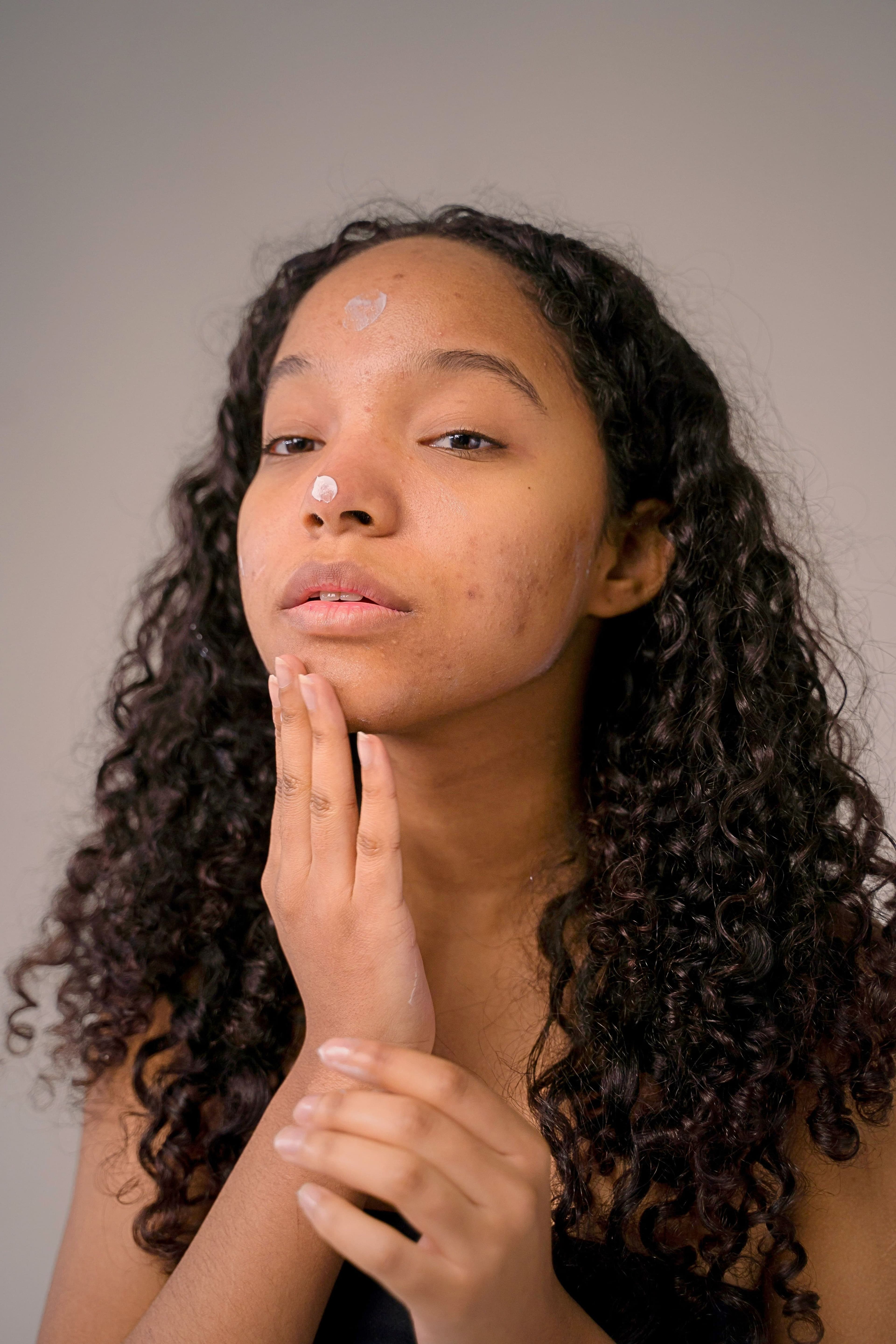
When Acne Leaves a Mark: Scarring vs. Discoloration
A breakout can leave behind more than one kind of reminder. Some spots are changes in color, while others involve the texture of the skin itself. Understanding the difference can help make sense of what you’re seeing after acne clears.
 Telederm Clinical Team · Sep 22, 2026
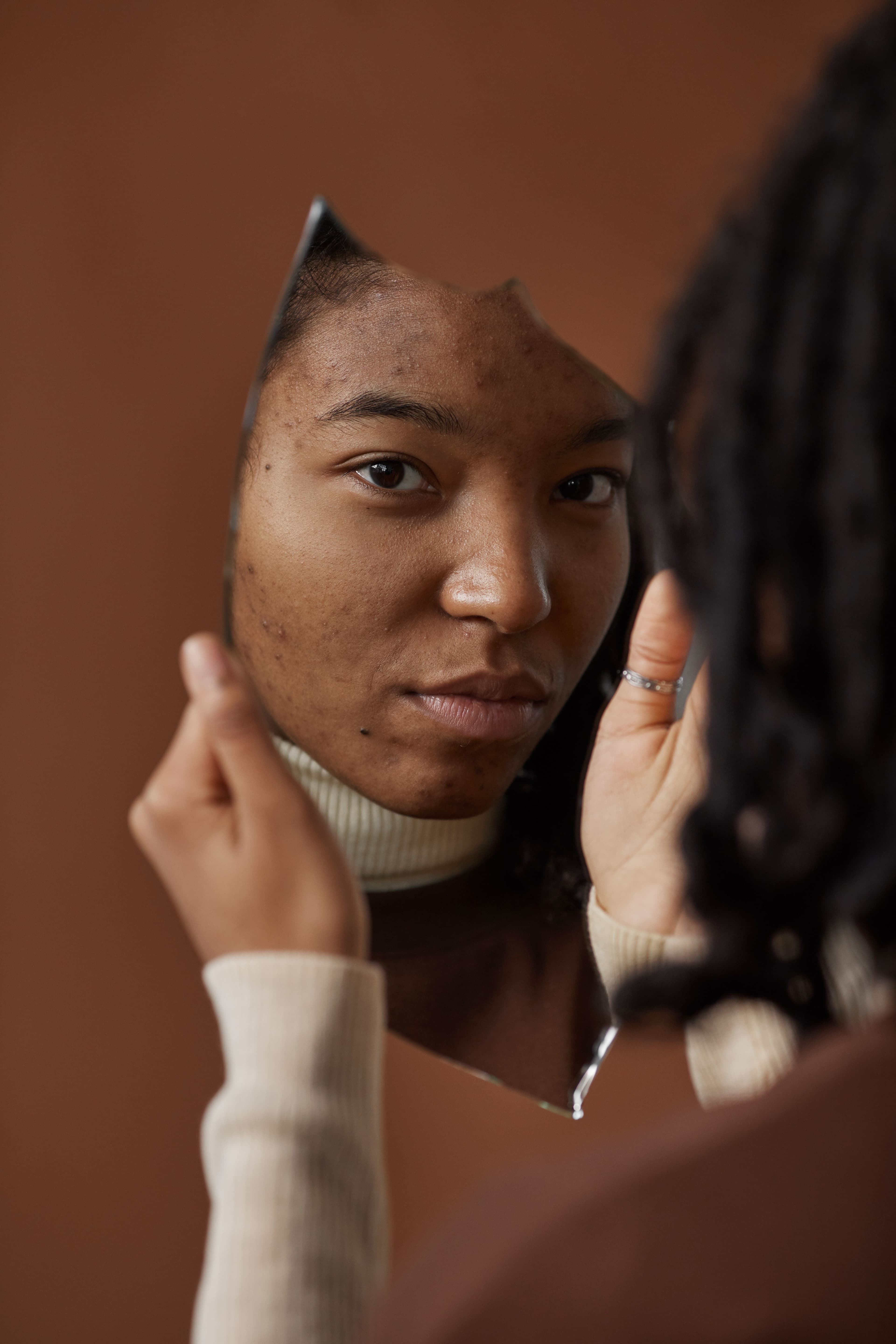
Skin Purging vs Breakout: How to Tell the Difference
This article examines the differences between skin purging and acne breakouts, including commonly associated ingredients, expected symptom patterns, and factors dermatologists often consider during evaluation.
Telederm Clinical Team · Aug 6, 2026
What Is a Compounding Pharmacy, and Why Would You Need One?
Not every prescription can be filled with a medication straight off the shelf. Compounding pharmacies prepare medications to meet specific patient needs, from different strengths and dosage forms to formulations that avoid certain ingredients. Discover how pharmacy compounding works, why it's sometimes necessary, and what patients should know.
Telederm Clinical Team · Oct 26, 2026
Oral vs. Topical Minoxidil & Finasteride
Oral and topical minoxidil and finasteride are commonly used to treat hair loss, but their side effects aren't identical. From scalp irritation and unwanted hair growth to cardiovascular concerns and sexual side effects, learn how these treatments compare, what men and women should know, and why the formulation matters.
Telederm Clinical Team · Oct 26, 2026