
Dandruff vs Seborrheic Dermatitis: Key Differences
Dandruff and seborrheic dermatitis can cause similar symptoms, but they aren't exactly the same. Learn the key differences, common causes, and when professional support may help.
Dandruff vs. Seborrheic Dermatitis: What's Actually Causing Those Flakes?
White flakes on your shoulders. An itchy scalp that never seems to go away. Shampoo after shampoo that promises results but doesn't seem to solve the problem.
If that sounds familiar, you've probably wondered whether you're dealing with simple dandruff or something more.
The truth is, dandruff and seborrheic dermatitis are closely related, which is why they're so often confused. While both can cause flaking and itching, they aren't exactly the same. Understanding the difference may help you better recognize what's happening with your scalp and make more informed decisions about your haircare routine.
In this guide, we'll compare dandruff vs. seborrheic dermatitis, explain why they can look so similar, discuss common triggers, and explore when additional guidance may be helpful.
Are Dandruff and Seborrheic Dermatitis the Same Thing?
Not exactly.
Dandruff is generally considered a mild form of seborrheic dermatitis that primarily affects the scalp. Because they're part of the same spectrum, both conditions can cause flaking, itching, and irritation.
The difference often comes down to the severity of the symptoms.
With dandruff, people commonly notice small white flakes and mild itching. Some people with seborrheic dermatitis notice redness, greasier or yellow-toned flakes, and irritation that extends beyond the scalp.
Because the two conditions overlap so much, appearance alone doesn't always provide a clear answer.
What's Causing the Flakes?
There's no single cause behind dandruff or seborrheic dermatitis. Instead, several factors are thought to play a role.
These may include:
Natural scalp oils
A naturally occurring yeast called Malassezia
Skin sensitivity
Weather changes
Stress
Certain hair or skincare products
Malassezia is a naturally occurring yeast that's commonly found on healthy skin. For some people, however, the scalp appears to react more strongly to it, which may contribute to irritation and flaking.
Many people also notice that symptoms seem to come and go. Your scalp may feel perfectly normal one month, then suddenly become itchy or flaky the next.
Common Differences People Sometimes Notice
When comparing dandruff vs seborrheic dermatitis, certain differences are commonly discussed in the dermatology literature.
People sometimes report dandruff as involving:
● Mild itching
● Symptoms limited mainly to the scalp
People sometimes describe seborrheic dermatitis as involving:
● Greasier or yellow-toned flakes
● Redness beneath affected areas
● More noticeable irritation
● Symptoms affecting areas beyond the scalp
However, symptoms can overlap, and these examples should not be viewed as a way to definitively identify a condition.
Habits That Can Sometimes Make Symptoms Feel Worse
When people notice flaking or itching, the first instinct is often to try something new, because they may think the products they’re using could be causing it, or that it’s time to change their routine.
Some examples of habits that can make these symptoms worse include:
● Using multiple products at once
● Frequently changing shampoos without giving each one time to work
● Scratching or irritating the scalp
● Washing the scalp too frequently or not frequently enough
● Using harsh products on an already irritated scalp
These situations do not automatically cause scalp issues, but they can sometimes make it more difficult to understand how your scalp is responding.
With dandruff or seborrheic dermatitis, consistency may sometimes provide more clarity than repeatedly changing products.
Approaches That May Help Support Scalp Health
When your scalp is itchy or flaky, it's natural to want to try a new shampoo or treatment right away. However, making several changes at once can sometimes make it harder to tell what's actually helping.
Many people choose to:
Keep their haircare routine consistent.
Avoid switching products too frequently.
Pay attention to products that seem to increase irritation.
Notice how their scalp responds over time.
When Additional Support May Help
There are situations in which symptoms may feel more persistent or difficult to pinpoint.
Some scalp concerns can feel simple at first and become more noticeable over time. Because symptoms can overlap with other skin conditions, ongoing uncertainty can lead people to keep switching products or routines without feeling they have clear answers.
It can be helpful to seek additional professional support if:
● Flaking continues over time
● Symptoms become increasingly uncomfortable
● Redness spreads beyond the scalp
● Multiple approaches have already been tried without clarity
Scalp concerns can sometimes involve multiple contributing factors, which can make ongoing trial and error frustrating.
Understanding Your Next Step
For people seeking additional guidance, Telederm offers an online process designed to make dermatology care easier to access.
Patients can:
● Select a skin or scalp concern
● Complete guided questions
● Upload photos
● Have their case reviewed by a board-certified dermatologist
If treatment is medically appropriate, a dermatologist may recommend a personalized plan based on the details of the visit.
If you’d like to learn more about Telederm and its approach to accessible dermatology care, you can visit our About page. You can also review our services to learn more about the skin and scalp concerns supported through the platform.
Understanding Your Scalp Starts With Understanding the Bigger Picture
Understanding dandruff and seborrheic dermatitis is not necessarily about trying to immediately determine exactly what condition you may have.
Instead, it can be about paying attention to patterns, recognizing changes, and understanding that scalp symptoms can sometimes have different contributing factors.
Scalp health can sometimes be influenced by a combination of different factors rather than a single cause. Looking at patterns over time may provide a more complete picture than focusing on a single symptom.
If symptoms feel persistent or confusing, having more information and clarity can sometimes make the next steps feel easier.

Knox Beasley, MD, FAAD
Dermatologist · Tulane University School of Medicine
Acne, Rosacea, Scalp conditions
Keep reading.
All in Hair →
A GLP-1 Can Change More Than the Number on the Scale
Significant weight loss can bring changes beyond the number on the scale. Learn about common skin and hair changes—including hair shedding, dry skin, and changes in facial appearance—and discover simple ways to support healthy-looking skin throughout your weight-loss journey.
 Telederm Clinical Team · Aug 4, 2026
Does Minoxidil Have to Be Forever?
If you've been avoiding minoxidil because you don't want to be on it forever, the answer may be more nuanced than you think. Here's what a board-certified dermatologist actually says about long-term use.
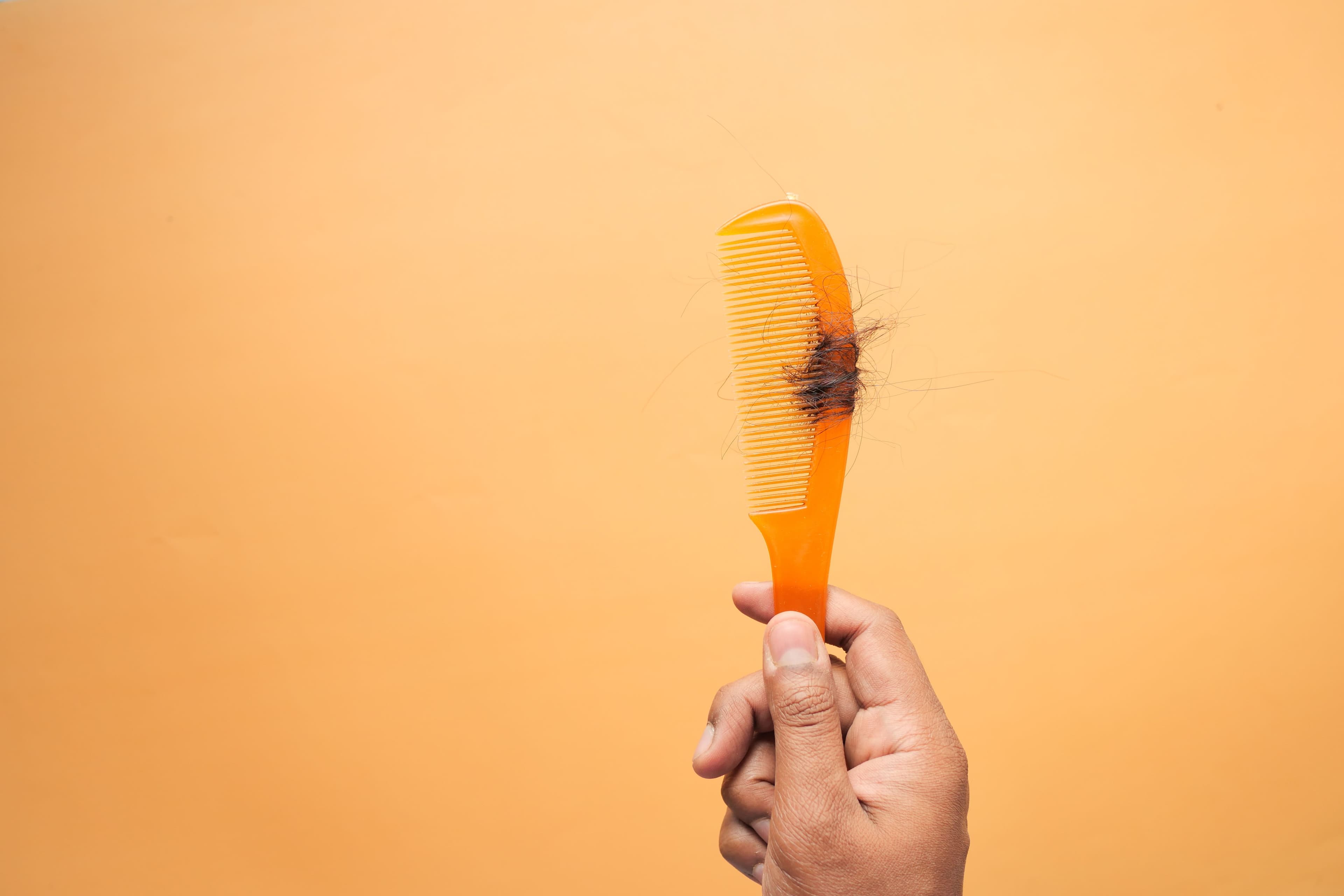
Hair Shedding vs Hair Loss: What's the Difference?
Noticing more hair in your brush or shower drain? Learn the differences between hair shedding and hair loss, common causes, and signs that may help you better understand what's happening.
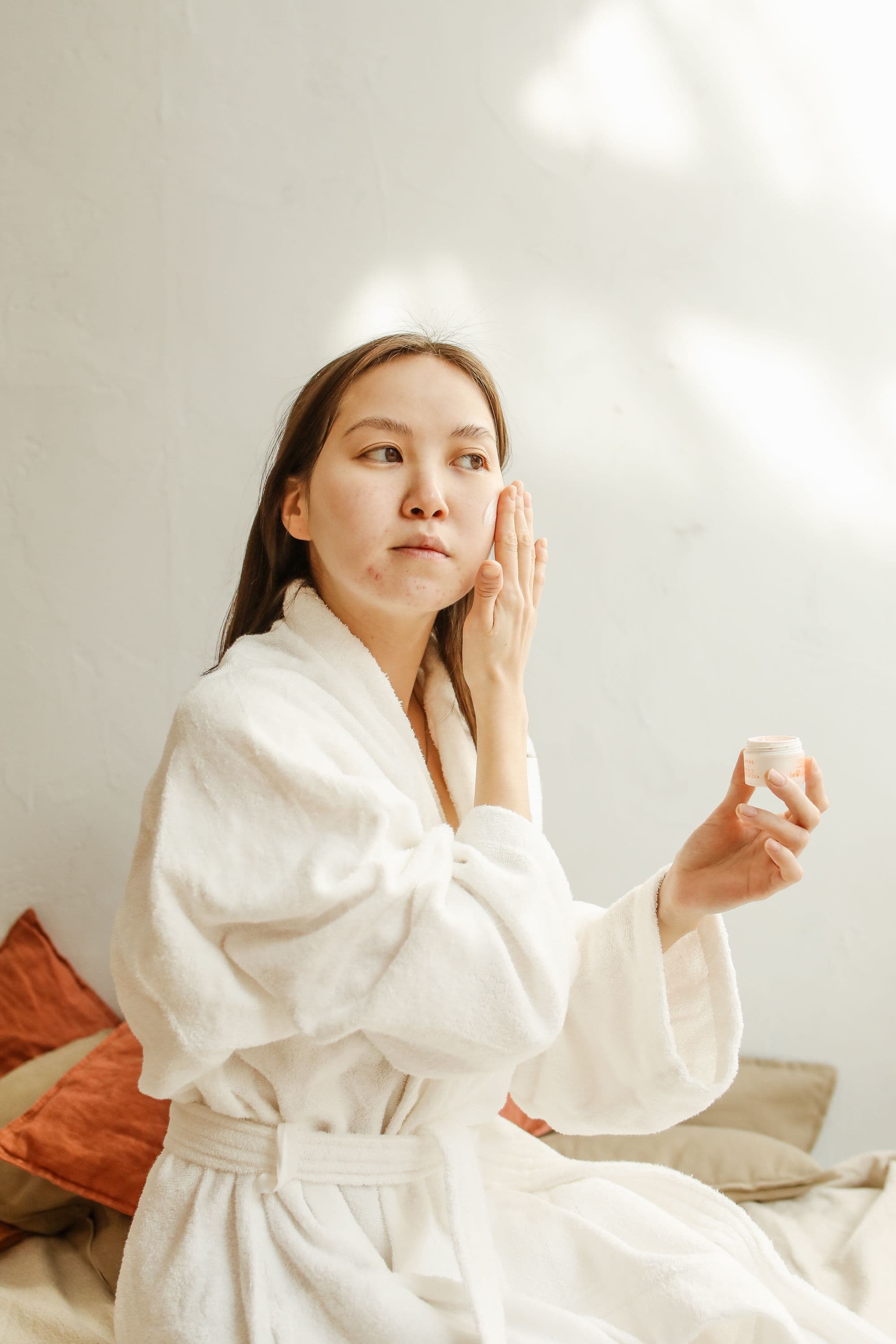
Rosacea vs Acne: How Can You Tell the Difference?
Redness. Bumps. Sensitive skin. Breakouts that don't seem to go away. If you've been trying to figure out whether you're dealing with acne, rosacea, or...
Telederm Clinical Team · Aug 4, 2026