
Are You Layering Your Skincare in the Right Order?
Does serum go before toner? Where does facial oil belong? And what happens when prescription skincare enters the routine? Here's a practical guide to layering your products without turning your bathroom counter into a chemistry experiment.
 Written byTelederm Clinical Team, MD | RPh | PharmD | FAAD: Madison M.Dermatology & Clinical Content Team
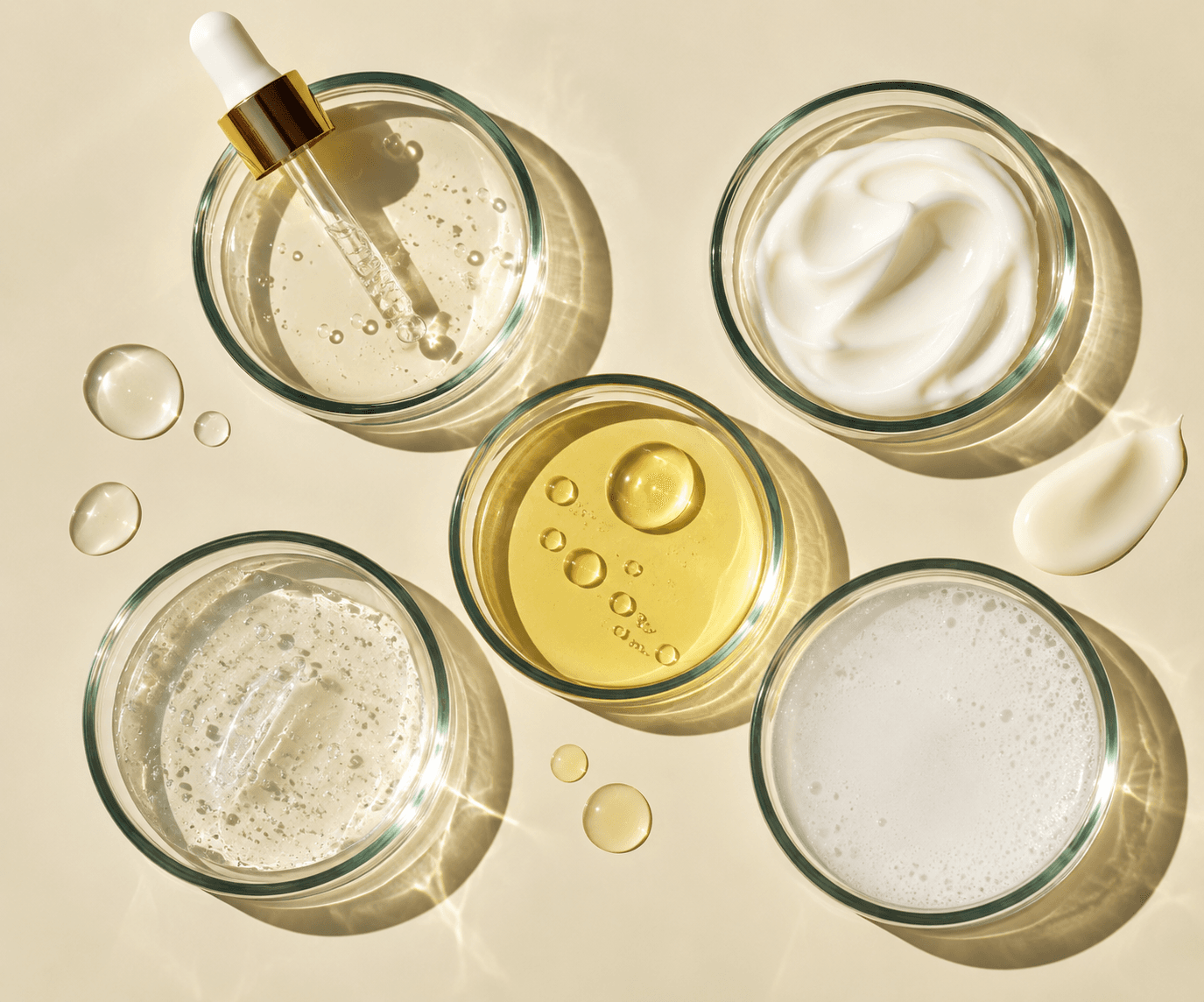
Skincare has developed a bit of an order-of-operations problem. Between toners, essences, serums, oils, moisturizers, and SPF, what used to be a simple routine can start to resemble a chemistry experiment.
And somewhere between the third serum and the final layer of moisturizer, it's worth asking: does the order actually matter?
Sometimes, yes. Especially when prescription skincare enters the picture.
First, Forget the Ten-Step Routine
The popular advice is to apply skincare from thinnest to thickest. It's a reasonable guideline for many cosmetic products, but skin doesn't operate according to a universal layering chart.
A lightweight serum generally belongs before a heavier cream. Sunscreen goes at the end of your morning skincare routine. And a prescription medication? That deserves its own set of instructions.
Here's how the usual products fit together.
What Goes Where?
Cleanser: The starting point.
Wash away excess oil, makeup, and buildup. Pat your skin dry before moving on, particularly if you're using a medication that requires dry skin.
Prescription medication: Read the directions before anything else.
Many topical prescriptions are meant to be applied directly to clean, dry skin before other products. Give the medication time to settle as directed. But don't assume every prescription works the same way; some are intended for nighttime use, and others may be paired with moisturizer to reduce irritation.
Toner: Optional, not obligatory.
Hydrating toners can add a lightweight layer of moisture, while exfoliating toners contain ingredients that may not play well with certain prescription treatments. If you're already using an active medication, adding an exfoliating toner isn't always a good idea.
Serum: Depends on what's inside.
Hyaluronic acid, niacinamide, vitamin C: serums can serve different purposes, and their ingredients matter more than the word serum on the bottle. Lightweight, water-based formulas typically go before richer creams.
Moisturizer: The dependable one.
Moisturizers help limit water loss and support the skin barrier. They're useful for dry skin, of course, but oily skin can benefit too.
Facial oil: An extra, not a requirement.
Oils can soften skin and complement a moisturizer, particularly when dryness is a concern. They're generally applied after lighter products, though using a heavy layer before sunscreen may make even application more difficult.
Sunscreen: The morning finale.
Broad-spectrum SPF 30 or higher goes on after your other morning skincare products and before makeup. Apply enough to provide proper coverage, and reapply as directed.
The Prescription Skincare Exception
Here's where following an influencer's skincare order can become a problem.
Consider tretinoin. Certain cream formulations are directed to be applied at bedtime after washing and allowing the skin to dry completely for 20–30 minutes. That waiting period isn't an arbitrary beauty rule; applying tretinoin to damp skin may increase irritation.
Other prescriptions have different requirements. Some may be used in the morning, others at night. A dermatologist might even recommend applying moisturizer first for someone struggling with irritation.
That means your prescription cream isn't necessarily just another product to insert between toner and serum.
Its instructions take priority over the rest of your routine.
And if you're using more than one medicated product, it's worth checking whether they should be layered at all.
More Steps Don't Mean Better Skin
It's easy to assume that adding another product means adding another benefit. In practice, overlapping ingredients, excessive exfoliation, and incompatible textures can create problems that weren't there before.
Sometimes the most useful skincare decision is figuring out what you can leave out.
A cleanser, moisturizer, and daily sunscreen can form a perfectly reasonable foundation. Everything beyond that should serve a purpose.
And if your products have started rolling into little flakes instead of sitting smoothly on your skin, that's a different layering problem altogether. We've covered it in our guide to why skincare pills and how to stop it.
Your bathroom shelf doesn't need a complicated system. It needs products that make sense together, used in the right way.
Telederm Clinical Team, MD | RPh | PharmD | FAAD
Dermatology & Clinical Content Team · Telederm.me
Keep reading.
All in Routines →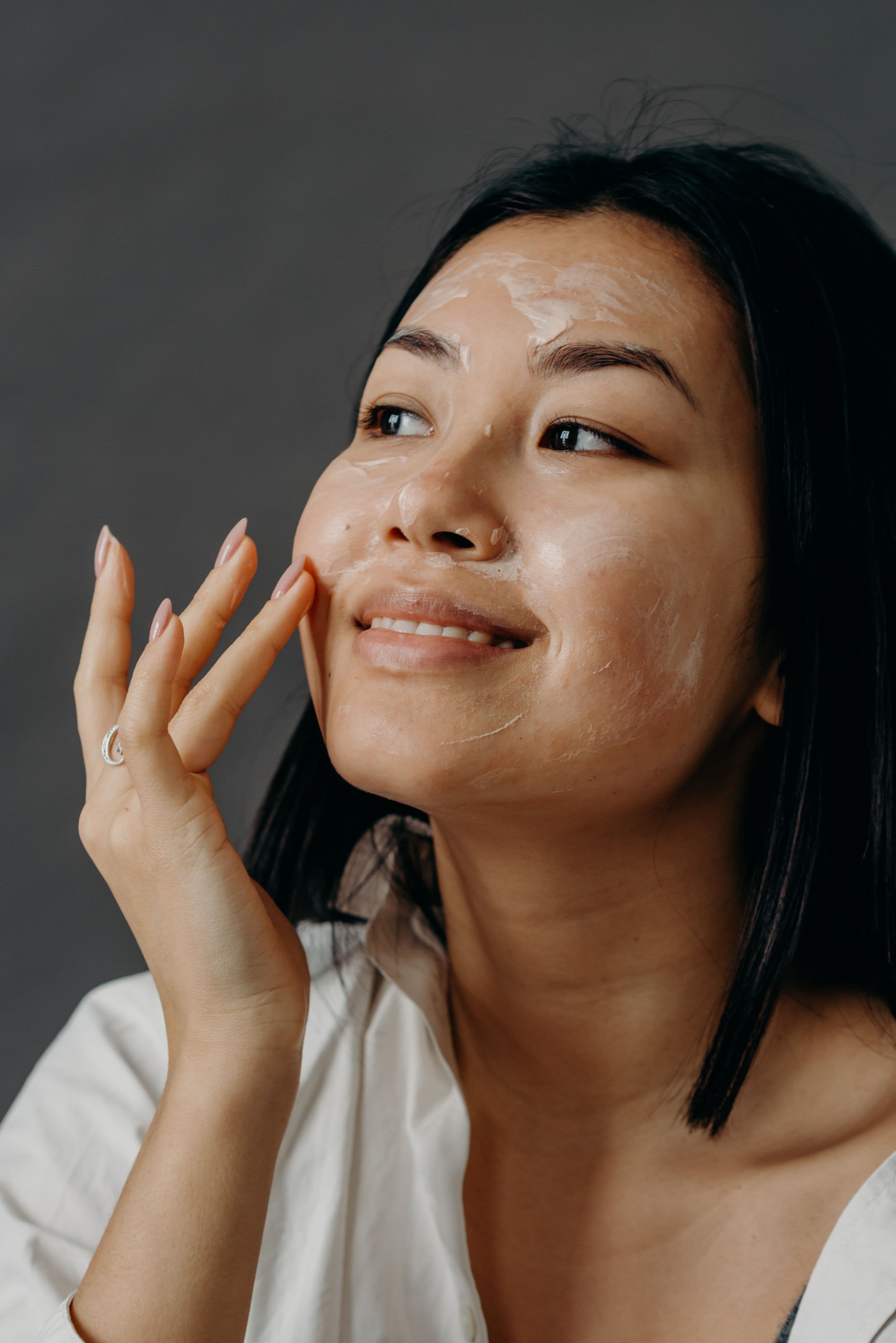
Why Your Skincare Pills (And How to Stop It)
Ever notice tiny balls forming when you layer your skincare? The problem may be how your products interact. Explore the science behind skincare pilling, which ingredients to look for, and simple ways to prevent it.
Telederm Clinical Team · Oct 19, 2026
Why Your Sunscreen Leaves a White Cast (And How to Avoid It)
Does your sunscreen leave behind a chalky, white, or grayish residue? Discover why mineral sunscreens can create a white cast, how tinted formulas can help, and simple ways to find sun protection that looks and feels better on your skin.
Telederm Clinical Team · Oct 28, 2026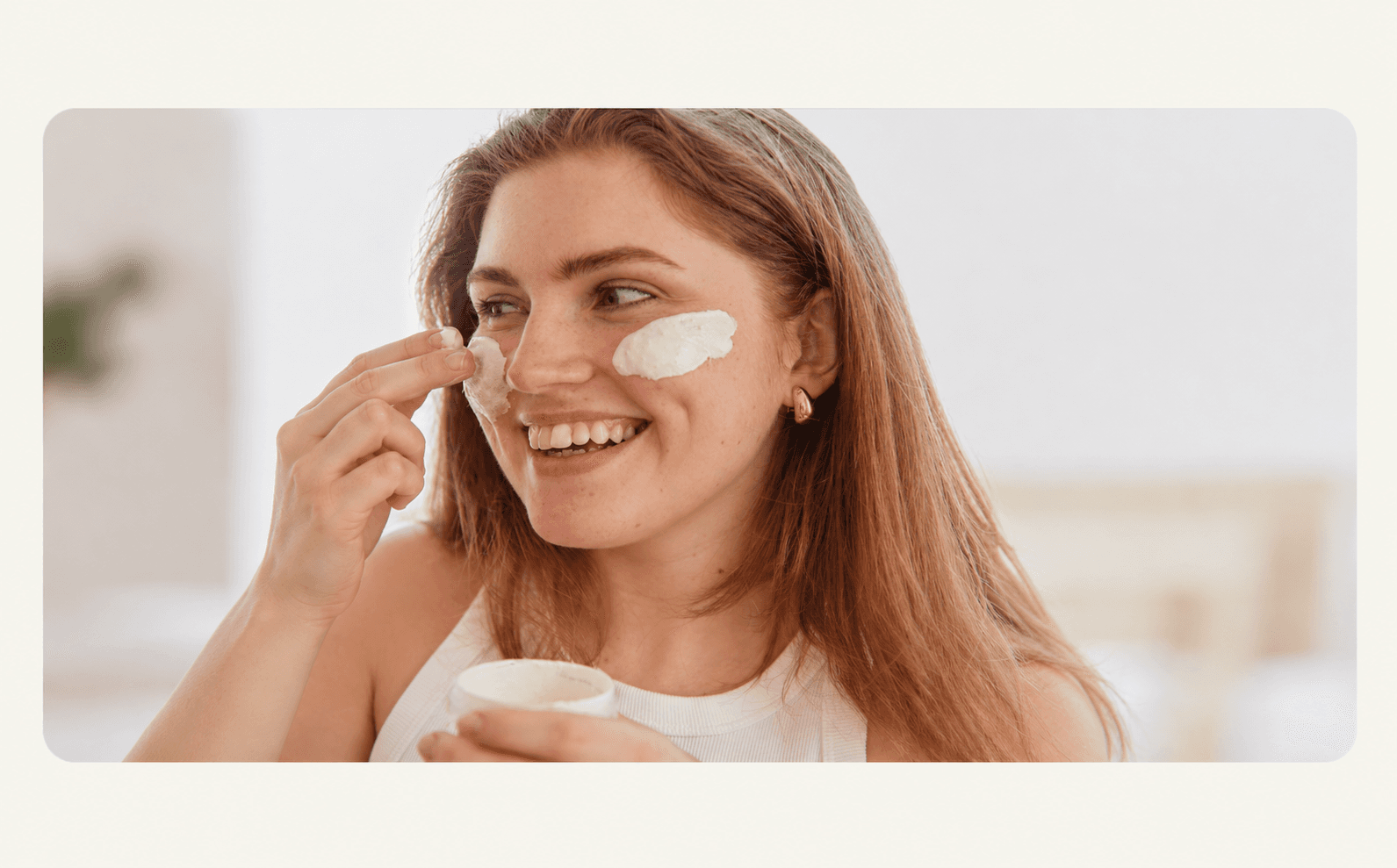
Myth #1: Oily Skin Doesn't Need Moisture
If your skin already feels oily, adding moisturizer might sound like the last thing you need. But oil and moisture tell two different stories.
Telederm Clinical Team · Aug 24, 2026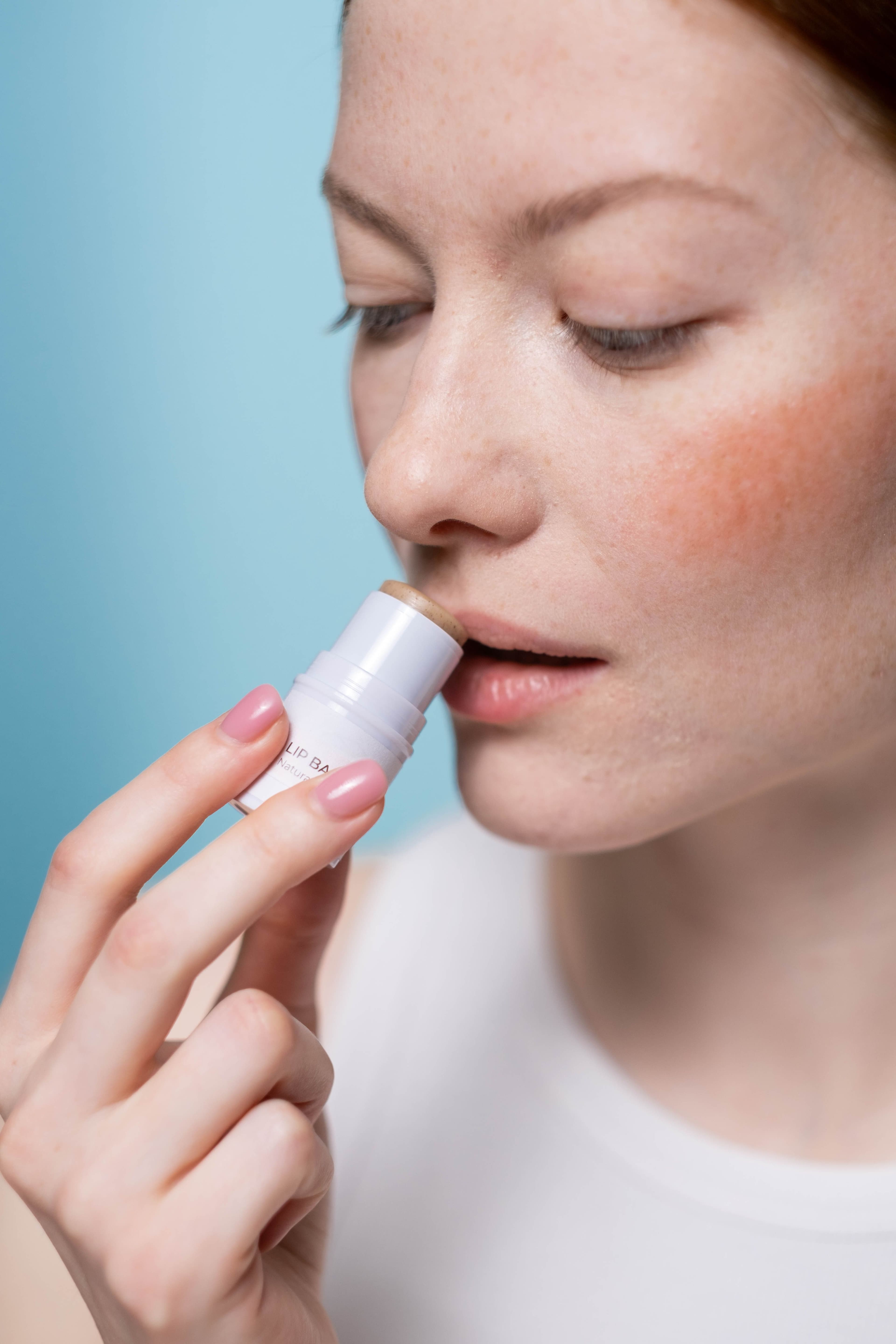
Is Your Lip Balm Making Your Lips Drier?
If your lips always seem dry despite frequent lip balm use, the ingredients in your favorite product could be contributing to the problem. Discover which ingredients may cause irritation and why inexpensive options like petroleum jelly can sometimes provide better relief.