
Myth #3: Pores Can Open and Close
Pores can look more noticeable for plenty of reasons. This post breaks down the myth and explains what actually changes the way they look.
 Written byTelederm Clinical Team, MD | RPh | PharmD | FAADDermatology & Clinical Content Team
Steam to open. Ice to close.
It’s practically skincare folklore. Somewhere along the way, we started treating our pores like tiny doors that could swing open with a hot shower and slam shut with a splash of cold water.
There’s just one problem: pores don’t have doors.
They can certainly look larger or smaller depending on what’s happening with your skin, but temperature isn't operating an open-and-close switch.
That distinction turns out to explain a lot of the skincare advice we've heard about pores.
Pores Aren’t Tiny Doors
Pores are small openings at the surface of the skin. They don't have a mechanism that allows them to physically open and close in response to hot or cold water.
So why has this idea stuck around for so long?
Probably because there are times when pores really do look different.
Their appearance can be influenced by things like oil, buildup, genetics, sun exposure, age, and the overall texture of the skin. When a pore becomes more noticeable, it can give the impression that it has somehow “opened.”
But what you're seeing is a change in appearance, not a pore swinging open.
So Why Does Steam Seem to Work?
This is where the myth gets a little bit of credit.
Warm water and steam may make oil and debris on the skin easier to remove. That's one reason steaming your face or taking a warm shower before cleansing can leave your skin feeling different afterward.
What the steam isn't doing is unlocking your pores.
And hotter isn't necessarily better. Very hot water can be irritating or drying, so turning your bathroom into a personal sauna isn't required for a good cleanse.
Think warm and comfortable, not lobster.
What About Cold Water?
If hot water doesn't open pores, cold water doesn't close them either.
A splash of cool water may feel refreshing, and cold temperatures can temporarily change the way the skin looks and feels. But your pores haven't suddenly sealed themselves shut.
This is also why ice isn't a permanent pore-shrinking treatment. You may notice a temporary cosmetic difference, but once again, appearance and actual pore size aren't necessarily the same thing.
Your skincare routine doesn't need a temperature-controlled opening and closing ceremony.
Why Do Some Pores Look Bigger Than Others?
This is where things get more interesting.
Some people naturally have more visible pores than others. Genetics can influence their appearance, and areas that tend to produce more oil, particularly the nose, forehead, and cheeks, often have pores that are easier to see.
Oil and buildup inside a pore can also make it appear more noticeable.
Then there's time. As skin changes with age and accumulated sun exposure, pores may become more prominent than they once were.
So if you look in the mirror one day and think, Were my pores always this visible?, you're not necessarily imagining it.
What you are seeing still doesn't mean they have “opened.”
Can You Actually Shrink Your Pores?
This is probably the question hiding underneath the whole myth.
The beauty industry loves the language of “pore shrinking,” “pore tightening,” and “pore erasing.” Those phrases sound much more exciting than making pores appear less noticeable.
But the second description is usually the more useful way to think about it.
You can't simply erase pores. They're a normal part of your skin, and you need them.
What you can do is focus on the things that may make them look more prominent.
Keeping excess oil and buildup under control can help. Sun protection matters because sun damage can affect the skin surrounding pores. Depending on your skin and concerns, certain skincare ingredients may also help improve overall texture and make pores appear less noticeable.
The goal isn't poreless skin.
Despite what filters may suggest, real skin has texture.
Be Careful With the Pore-Stripping Approach
Once pores become a concern, it's easy to start throwing everything at them.
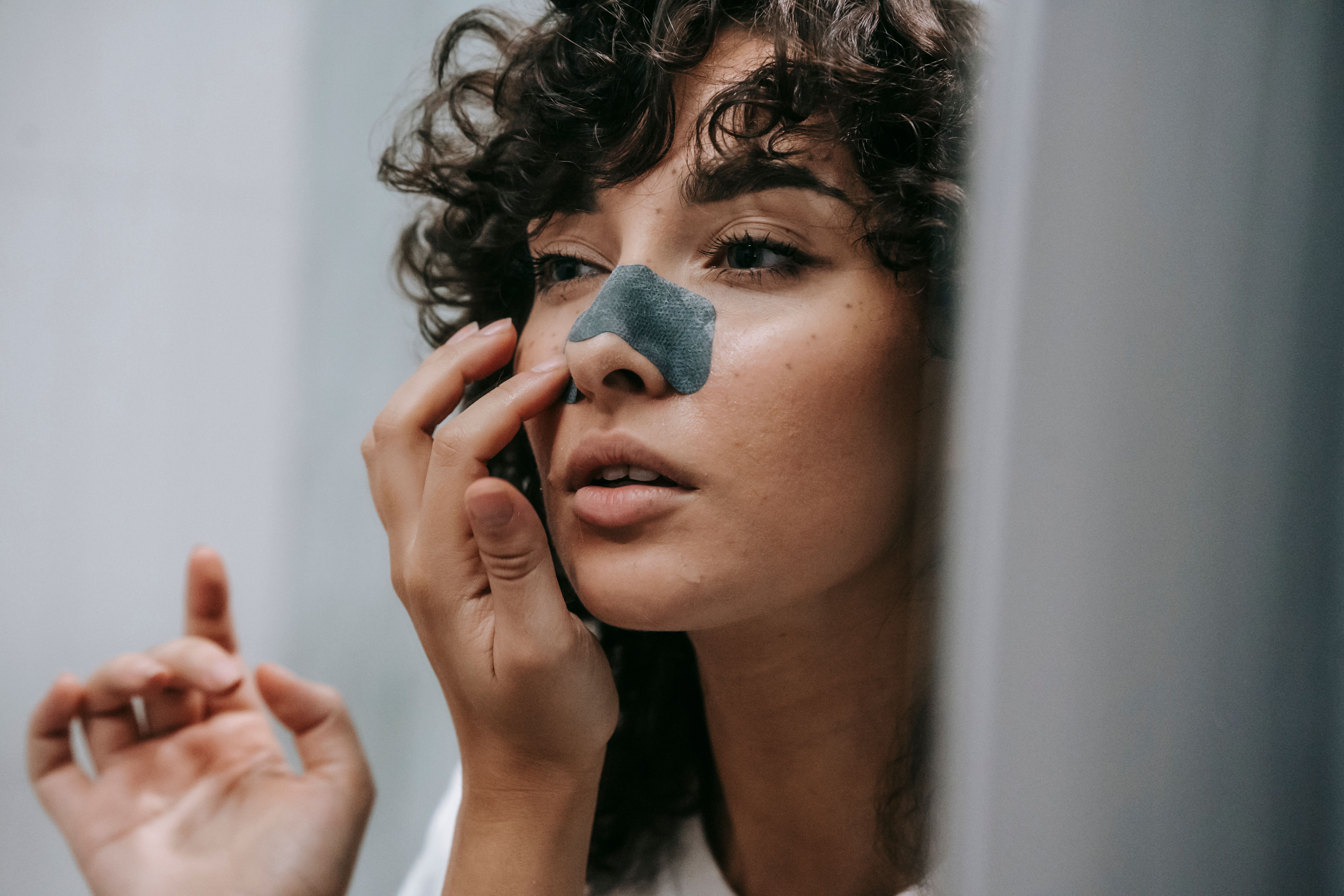
Scrubs. Pore strips. Strong cleansers. Acids. Clay masks. More scrubbing.
Sometimes all in the same week.
But making your skin feel aggressively clean isn't the same as making pores disappear. Overdoing a routine can leave the skin feeling dry, irritated, or uncomfortable without actually solving the concern that started it.
A gentler approach is often much less dramatic, but your skin doesn't need drama to look good.
Maybe We’ve Been Asking the Wrong Question
Instead of asking “How do I close my pores?”, it may be more helpful to ask:
“What is making my pores look more noticeable?”
For one person, oiliness may be part of the picture. For another, it may be skin texture, sun exposure, or simply genetics.
And sometimes the answer is that you're standing two inches away from a magnifying mirror examining skin that nobody else is seeing at that distance.
Pores are normal. Visible pores are normal. The goal of skincare doesn't have to be making your face look like it was run through a blur filter.
How Telederm Can Help
If enlarged-looking pores, oiliness, acne, or uneven skin texture are bothering you, Telederm can connect you with a board-certified dermatologist online.
Your provider can review your concerns, photos, current skincare routine, and health history to help determine what may be contributing to the appearance of your skin. When appropriate, they can also recommend a treatment plan based on your individual needs and goals.
So go ahead and enjoy the steam. Splash on the cool water if it feels good. Just know that your pores aren't opening and closing along the way.
Telederm Clinical Team, MD | RPh | PharmD | FAAD
Dermatology & Clinical Content Team · Telederm.me
Keep reading.
All in Dermatology Myths, Explained →
Myth #1: Oily Skin Doesn't Need Moisture
If your skin already feels oily, adding moisturizer might sound like the last thing you need. But oil and moisture tell two different stories.
Telederm Clinical Team · Aug 24, 2026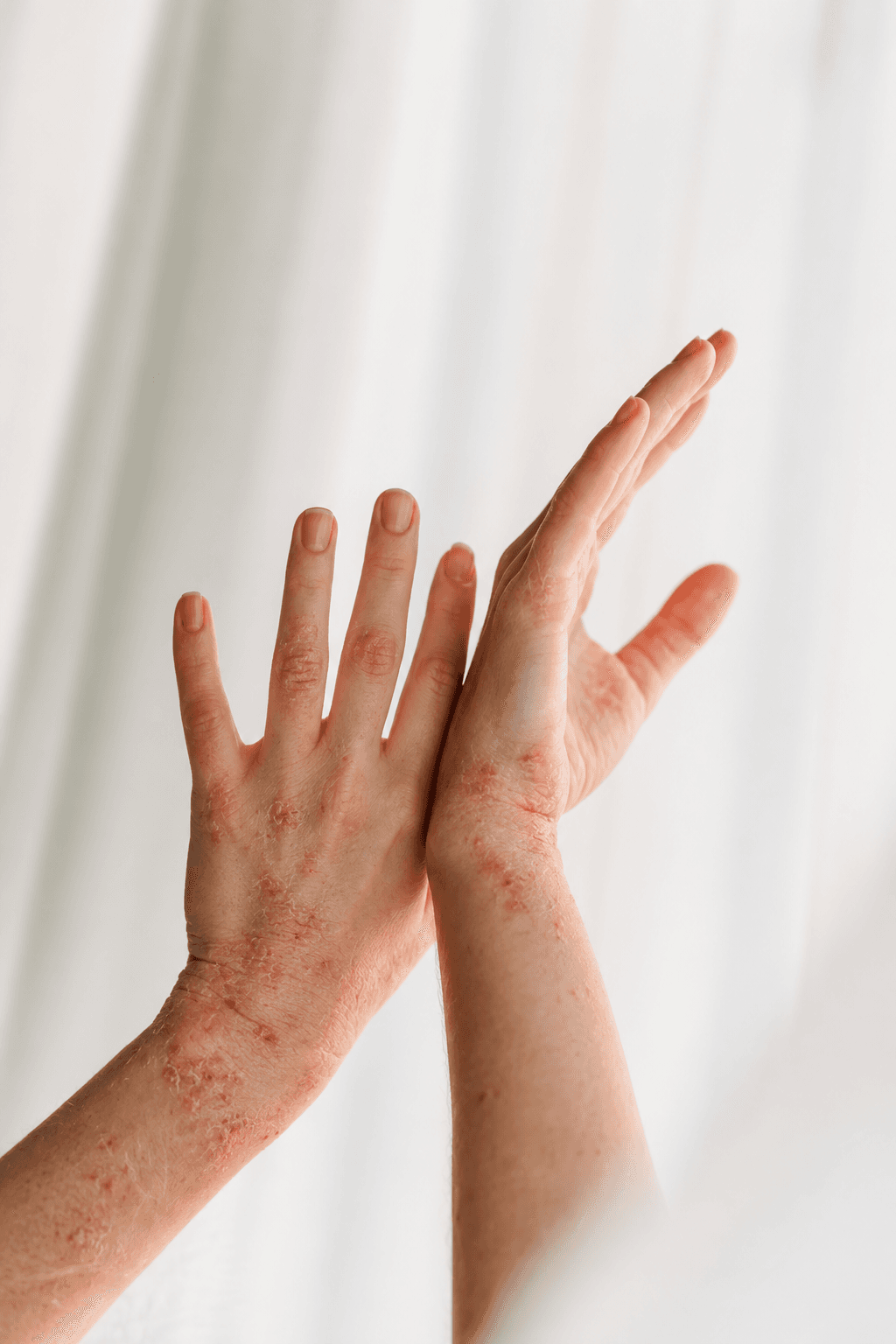
Understanding the Eczema Cycle
Eczema doesn’t always follow a straight path. A flare may improve or even clear with treatment, only to return later. Understanding the cycle from triggers and treatment to clearer skin and maintenance can make eczema easier to manage over time.
Telederm Clinical Team · Sep 21, 2026
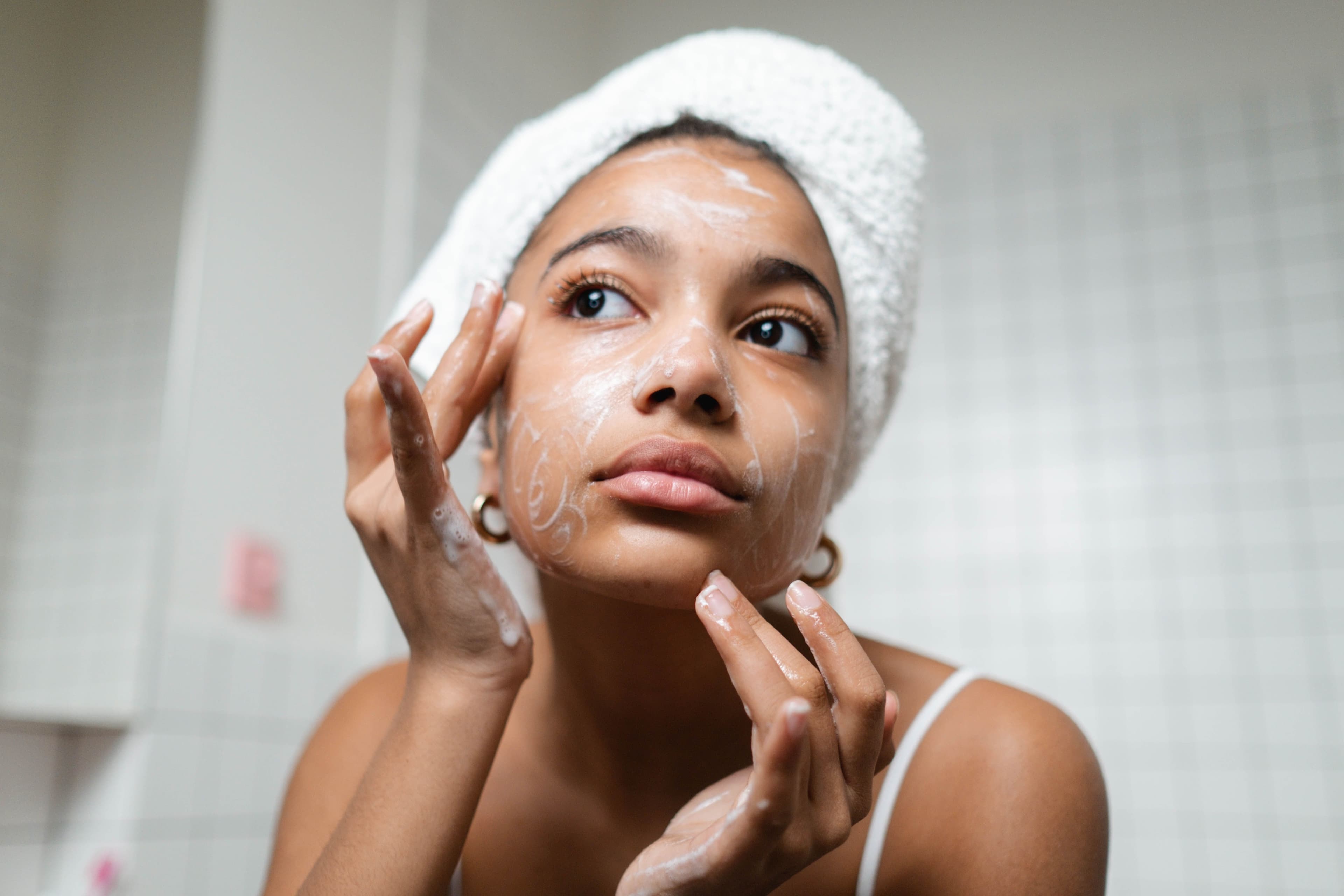
Simple Skincare Routine: Are You Using Too Many Products?
More skincare products don't always mean better results. Discover how a simple skincare routine may help reduce confusion, improve consistency, and make it easier to understand your skin's needs.
Skin Barrier Repair: Signs Your Skin Needs Support
If your skin suddenly feels dry, tight, or irritated, your skin barrier may need extra support. Learn what affects the skin barrier and discover simple habits that may help restore healthier-looking skin.