
Rosacea vs Acne: How Can You Tell the Difference?
Redness. Bumps. Sensitive skin. Breakouts that don't seem to go away. If you've been trying to figure out whether you're dealing with acne, rosacea, or...
 Medically reviewed byKnox Beasley, MD, FAADDermatologist
Acne and Rosacea Can Look Surprisingly Similar
Redness. Bumps. Sensitive skin. Breakouts that don't seem to go away.
If you've been trying to figure out whether you're dealing with acne, rosacea, or something else entirely, you're not alone. These two common skin conditions can look surprisingly similar, especially in the early stages, which is why so many people search for rosacea vs. acne.
Although they can share certain features, rosacea and acne are different conditions with different characteristics. Understanding those differences may help you better recognize patterns in your own skin and make more informed decisions about your skincare routine.
In this guide, we'll explore the similarities and differences between rosacea and acne, explain why they're often confused, and discuss when additional guidance may be helpful.
Why They're Often Confused
At first glance, rosacea and acne can appear very similar.
Both may cause:
Red bumps
Facial redness
Skin irritation
Flare-ups that come and go
Because of this overlap, it's easy to assume they're the same condition. However, appearance alone doesn't always tell the whole story.
Things like where the bumps appear, whether blackheads or whiteheads are present, how sensitive your skin feels, and what seems to trigger flare-ups can all provide helpful clues.
What Makes Acne Different?
Acne is one of the most common skin conditions and can affect people of almost any age.
It develops when pores become clogged with excess oil, dead skin cells, and other debris, which can lead to different types of blemishes.
People with acne may notice:
Papules
Pustules
Larger inflamed nodules
Although acne often appears on the face, it's also common on the chest, shoulders, and back.
Some people experience occasional breakouts, while others deal with more persistent acne over time.
What Makes Rosacea Different?
Rosacea is a chronic skin condition that most commonly affects the central part of the face.
Instead of clogged pores, rosacea is more often associated with ongoing redness and increased skin sensitivity.
Some people notice:
Flushing
Small red bumps or pustules
Burning or stinging sensations
Skin that feels easily irritated
Because rosacea can include acne-like bumps, many people mistake it for acne—especially if they haven't experienced rosacea before.
Rosacea vs. Acne: The Biggest Differences
Although there can be overlap, a few differences commonly help distinguish the two.
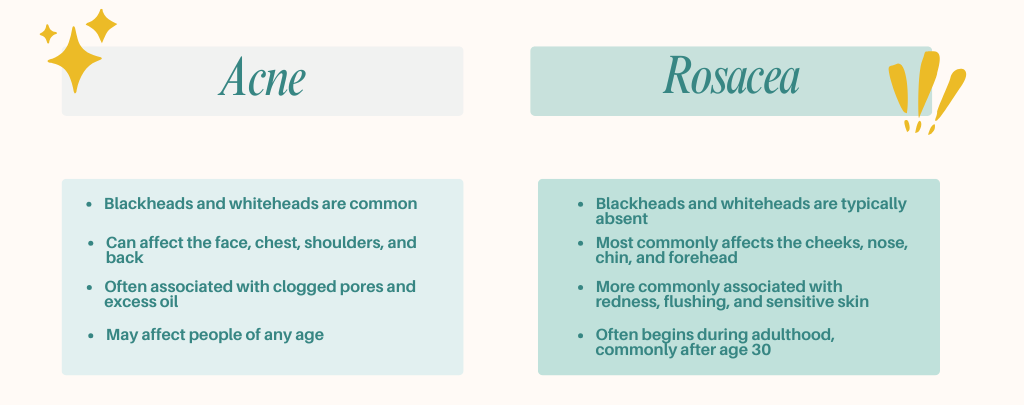
*Although either condition can occur outside these age ranges.
No single feature confirms whether someone has acne or rosacea, but looking at the overall pattern of symptoms can sometimes provide more helpful information than focusing on one bump or one area of redness.
Common Triggers
Both acne and rosacea can seem to flare up unexpectedly, but the things that trigger them are often different.
People with acne sometimes notice flare-ups related to:
Hormonal changes
Stress
Certain skincare products
Lifestyle factors
People with rosacea commonly report that symptoms become more noticeable after:
Alcohol
Stress
Not everyone experiences the same triggers, and some people may notice no obvious pattern at all.
Why the Difference Matters
Because acne and rosacea can look alike, it's easy to reach for products designed for the wrong condition.
For example, some acne products contain stronger exfoliating ingredients or treatments designed to reduce oil. While these products work well for many people with acne, they may feel too harsh for skin that's already sensitive or prone to rosacea.
Likewise, focusing only on redness without considering the bigger picture may not always address the underlying concern.
This doesn't necessarily mean a product is right or wrong—it simply highlights why understanding your skin's individual needs can be an important first step.
Can You Have Both?
Yes.
Although people often compare rosacea and acne as though they're completely separate, it's possible to experience both at the same time.
When that happens, redness, flushing, breakouts, and sensitive skin may all occur together, making it even more difficult to determine what's causing your symptoms.
This is one reason why looking at your skin as a whole—not just individual blemishes—can often provide a clearer picture.
When Additional Guidance May Help
It may be helpful to seek additional guidance if:
Facial redness continues over time.
Breakouts repeatedly return.
Your skin feels increasingly sensitive.
Products don't seem to be working as expected.
You're unsure whether you're experiencing acne, rosacea, or another skin concern.
Because several skin conditions can share similar features, ongoing trial and error can sometimes become frustrating.
Understanding Your Next Step
If you're looking for additional guidance, Telederm makes it easy to connect with a board-certified dermatologist from the comfort of home.
Patients can:
Select their skin concern.
Complete guided questions.
Upload photos.
Receive a personalized evaluation from a board-certified dermatologist licensed in their state.
If treatment is medically appropriate, your dermatologist may recommend a personalized treatment plan based on your individual skin concerns.
To learn more about the skin conditions Telederm evaluates—or to see how our online dermatology process works—visit our Services page.
Looking Beyond the Symptoms
Redness doesn't always mean rosacea, and bumps don't always mean acne.
Although the two conditions can appear similar, understanding the differences between them may help you better recognize what's happening with your skin. Looking at the overall pattern of symptoms—including where changes appear, how your skin feels, and what seems to trigger flare-ups—can often provide more insight than appearance alone.
If you're still unsure, getting additional guidance can help you move forward with more confidence rather than relying on guesswork.
Knox Beasley, MD, FAAD
Dermatologist · Tulane University School of Medicine
Acne, Rosacea, Scalp conditions
A board-certified dermatologist can tell whether it's rosacea or acne — and treat it.
$45 per medical visit: a board-certified dermatologist reviews your skin and builds a custom prescription plan.
Keep reading.
All in Acne →
Keratosis Pilaris Explained: Why Those Rough Bumps Appear
Tiny rough bumps on the arms, thighs, or cheeks are often caused by keratosis pilaris, a common skin condition sometimes called "chicken skin" or "strawberry skin." Learn what may contribute to these bumps and why they're often mistaken for other skin concerns.
 Telederm Clinical Team · Aug 13, 2026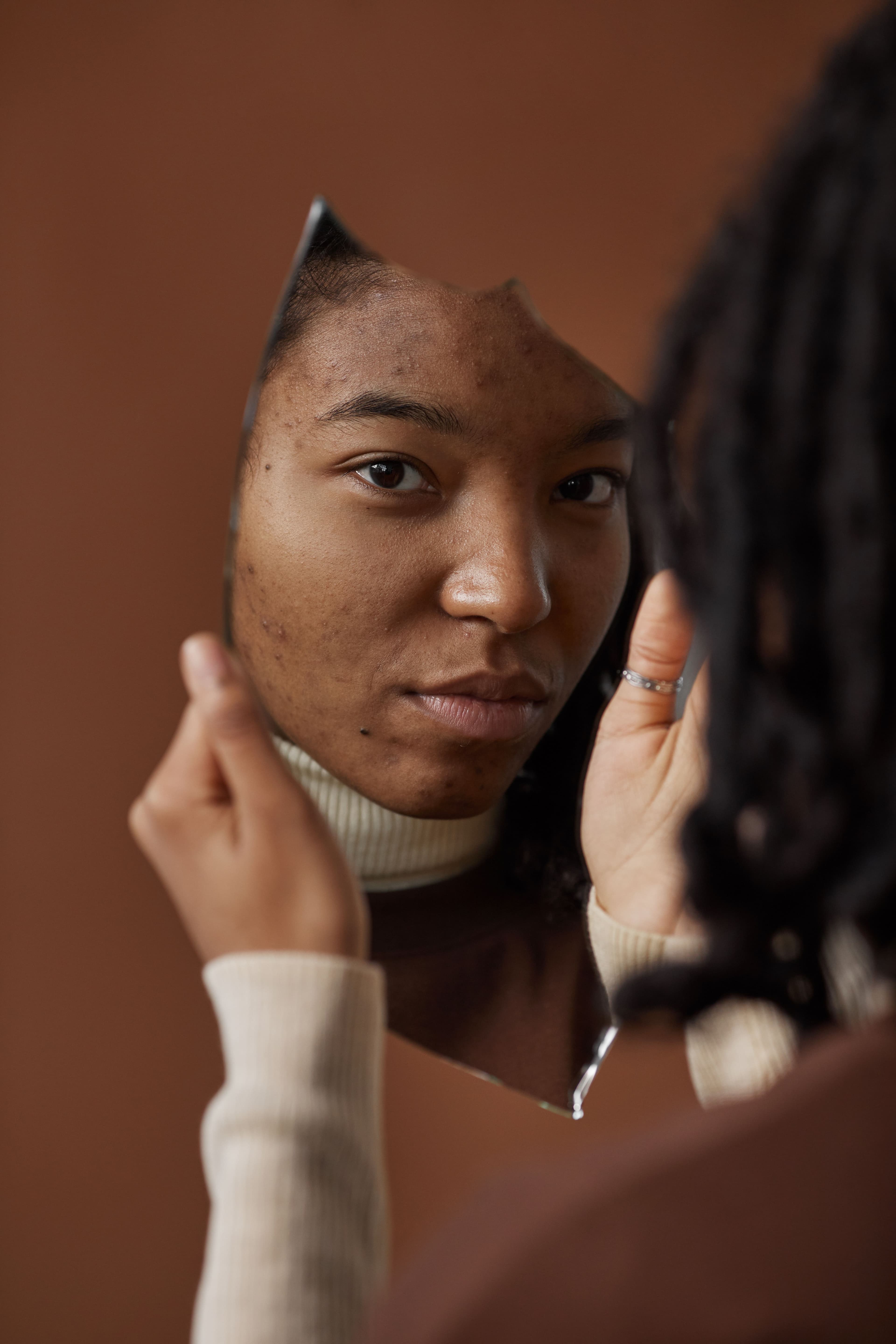
Skin Purging vs Breakout: How to Tell the Difference
This article examines the differences between skin purging and acne breakouts, including commonly associated ingredients, expected symptom patterns, and factors dermatologists often consider during evaluation.
Telederm Clinical Team · Aug 6, 2026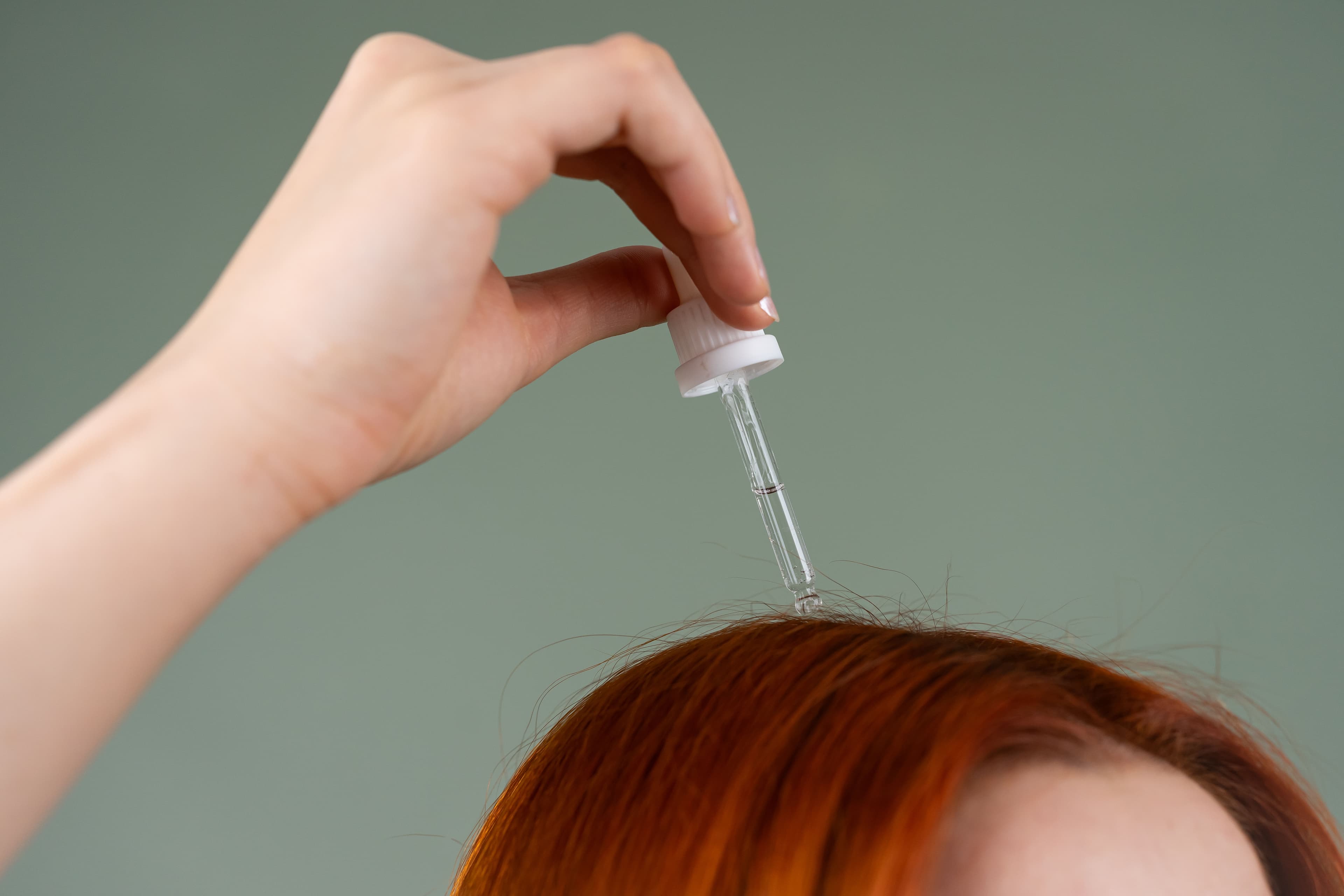
Dandruff vs Seborrheic Dermatitis: Key Differences
Dandruff and seborrheic dermatitis can cause similar symptoms, but they aren't exactly the same. Learn the key differences, common causes, and when professional support may help.
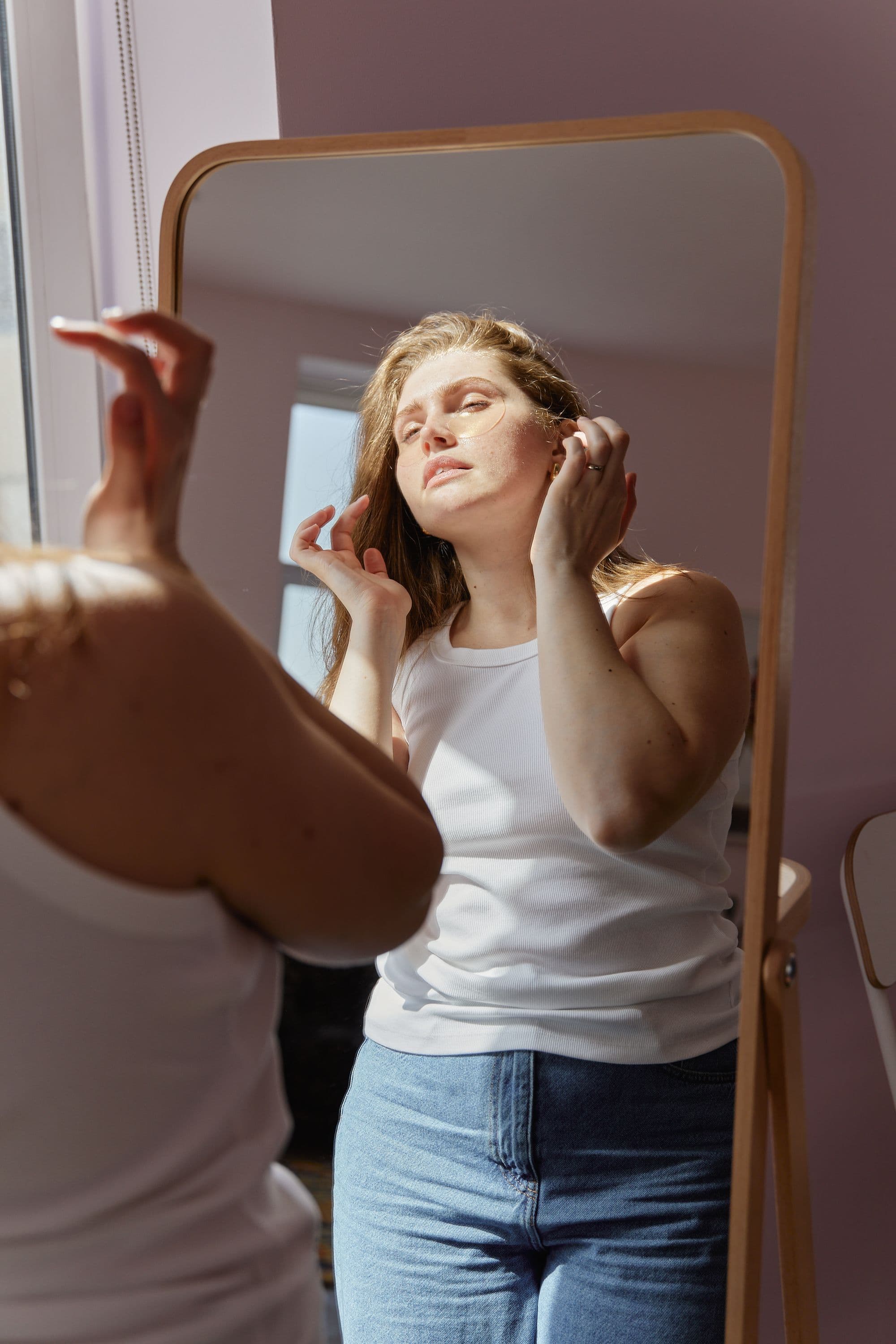
A GLP-1 Can Change More Than the Number on the Scale
Significant weight loss can bring changes beyond the number on the scale. Learn about common skin and hair changes—including hair shedding, dry skin, and changes in facial appearance—and discover simple ways to support healthy-looking skin throughout your weight-loss journey.
Telederm Clinical Team · Aug 4, 2026