
Skincare Trend or Holy Grail? Let's Talk Slugging and Flooding
Slugging and skin flooding have taken over skincare routines, but are they worth the hype? Explore the science behind these viral trends, their benefits, and how to decide which approach is right for your skin.
 Written byTelederm Clinical Team, MD | RPh | PharmD | FAAD: Madison M.Dermatology & Clinical Content Team
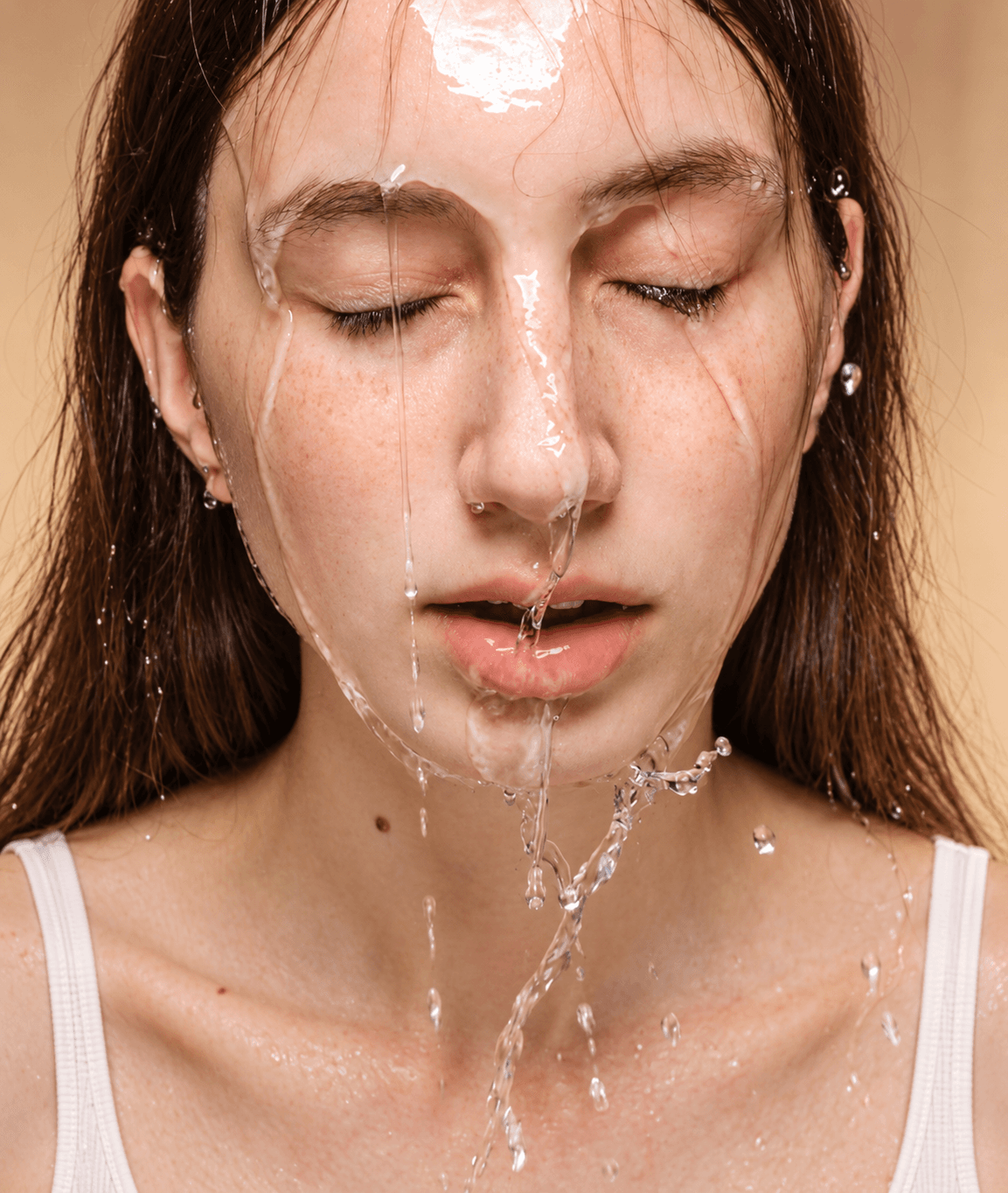
If you've spent any time on the skincare side of social media, you've probably seen someone coating their face in petroleum jelly before bed or layering hydrating serums until their skin looks impossibly dewy.
Welcome to the world of slugging and skin flooding.
These two skincare trends have gained attention for their ability to help skin look and feel more hydrated. And while their names might sound like something invented for social media, the science behind them is anything but new.
Both techniques rely on established principles of moisturization, but they accomplish their goals in different ways.
Slugging focuses on keeping moisture from escaping, while skin flooding emphasizes increasing hydration through water-attracting ingredients.
So, are these techniques genuinely beneficial, or are they simply skincare trends with clever names?
What Is Skin Slugging?
Despite its unusual name, slugging is a relatively simple skincare technique.
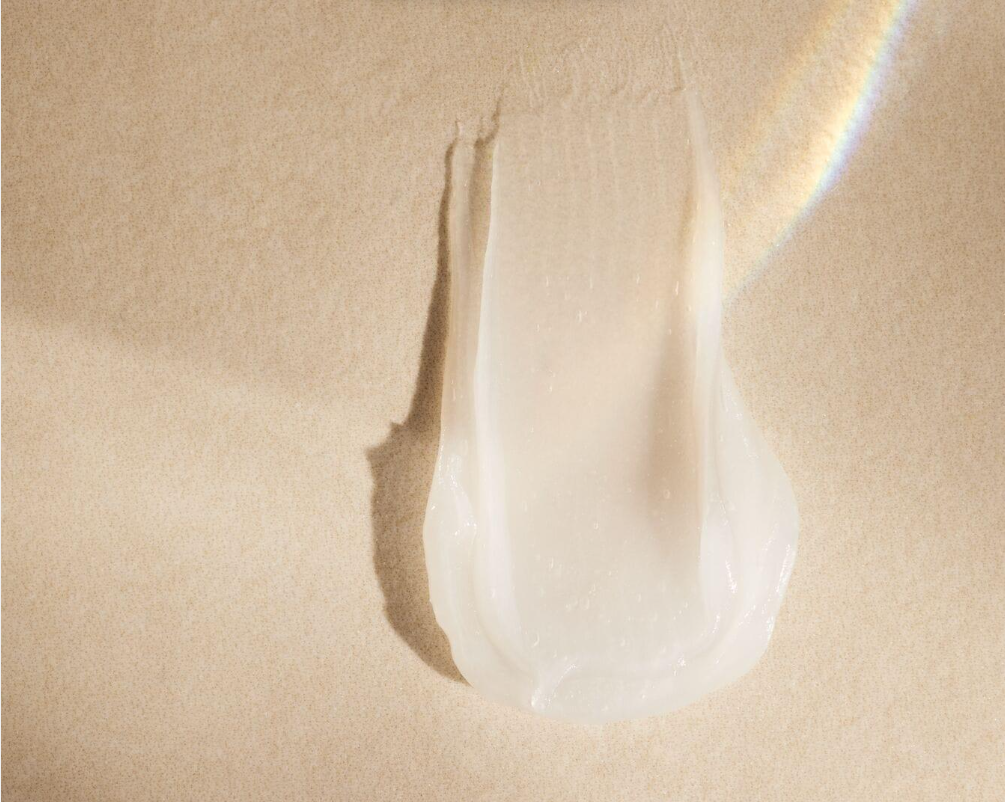
It involves applying a layer of an occlusive product, most commonly petrolatum (petroleum jelly), as the final step of a skincare routine, typically before bed.
The name comes from the shiny, almost slug-like appearance the product leaves behind.
Although social media helped popularize slugging, the use of petrolatum to protect the skin and reduce moisture loss has been established for generations.
Petrolatum is an occlusive ingredient, meaning it forms a protective layer over the skin that helps slow water loss.
Unlike ingredients that attract water, petrolatum primarily works by helping the skin retain the moisture it already contains.
This makes slugging particularly interesting for people who experience dryness or want additional moisture retention.
The Science Behind Slugging
To understand why slugging can be beneficial, it helps to understand something called transepidermal water loss, or TEWL.
Your skin continuously loses small amounts of water to the surrounding environment. This is a normal physiological process.
However, environmental conditions, skin characteristics, and the condition of the skin barrier can influence how much water escapes.
When the skin loses more water than it can comfortably retain, it may begin to feel dry, tight, or rough.
Occlusive ingredients such as petrolatum help reduce this water loss by forming a protective layer on the skin's surface.
Think of it like placing a lid over a container of water. The lid doesn't add water, but it helps prevent what's already there from evaporating as quickly.
That's essentially what slugging is designed to accomplish.
What Are the Benefits of Slugging?
The main benefit of slugging is improved moisture retention.
By reducing water loss, petrolatum can help the outermost layers of the skin maintain hydration and feel softer.
This can be particularly useful when skin feels dry or when environmental conditions, such as cold weather and low humidity, contribute to moisture loss.
Slugging may also help support the skin's protective barrier by limiting excessive water loss.
And because plain petrolatum products generally contain relatively few ingredients, they can be a practical option for people who prefer simple skincare formulations.
However, slugging isn't necessarily ideal for every situation.
The heavy, greasy texture may feel uncomfortable, particularly for people who prefer lightweight products. Some people may also find that applying thick occlusive products over their entire face doesn't suit their skin.
Another important consideration is what you're applying underneath.
Occlusion can affect how certain topical medications or potentially irritating skincare ingredients interact with the skin. Applying petrolatum over prescription treatments or strong active ingredients may increase irritation or alter drug exposure.
For that reason, it's best to check with your dermatologist or pharmacist before incorporating slugging over medicated products.
The bottom line: Slugging isn't just a social media gimmick. Its primary mechanism, reducing water loss, is well established, and it can be a useful addition to some skincare routines.
What Is Skin Flooding?
While slugging focuses on retaining moisture, skin flooding takes a different approach.
Skin flooding involves layering water-rich skincare products, often while the skin is still slightly damp, to help increase hydration in the outermost layers of the skin.
A typical flooding routine might include a hydrating toner or essence, a serum containing humectants, and a moisturizer to finish.
The goal is to create skin that looks and feels hydrated, smooth, and plump.
And unlike slugging, which often relies on one relatively thick occlusive product, flooding generally involves several lightweight layers.
The technique has become especially popular among people who enjoy hydrating serums and want a dewy-looking finish without relying entirely on heavier creams.
The Science Behind Skin Flooding
The science behind skin flooding centers on a group of ingredients called humectants.
Humectants attract and bind water, helping increase hydration in the outermost layer of the skin, known as the stratum corneum.
Two familiar examples are glycerin and hyaluronic acid.
Glycerin is a widely used humectant that helps attract and retain water within the skin's outer layers. It's found in everything from lightweight serums to rich moisturizers.
Hyaluronic acid is another water-binding ingredient commonly used in hydrating skincare products. Its properties can vary depending on factors such as molecular size and formulation.
When applied as part of a well-designed skincare product, these ingredients can help the skin maintain hydration and improve its temporary appearance and feel.
Skin flooding builds on this principle by layering products containing water and humectants.
Applying hydrating products to slightly damp skin may also help incorporate some of that surface moisture into the routine, particularly when followed by a moisturizer that helps limit water loss.
However, the amount of hydration achieved depends on the complete formulations, not simply the number of layers applied.
What Are the Benefits of Skin Flooding?
The primary benefit of skin flooding is increased skin hydration. Humectant-containing products help the skin’s outer layers retain water, which may temporarily improve the appearance of dryness and leave skin feeling smoother and more supple. For people who enjoy lightweight textures, layering hydrating products can also be a comfortable alternative to relying on one particularly rich cream.
The approach may encourage more attention to moisturizing ingredients, rather than a focus on exfoliation or other active treatments, and because many routines finish with a moisturizer, they pair the benefits of humectants with ingredients that help reduce moisture loss.
That said, it’s important to distinguish between the benefits of hydrating ingredients and the benefits of the trend itself.
Humectants such as glycerin and hyaluronic acid have well-established moisturizing functions, but whether layering multiple hydrating products works better than using a single well-formulated moisturizer depends on the products being used.
This doesn’t mean skin flooding is ineffective; it means the benefits are better supported by what we know about the ingredients than by research on the multi-step routine itself. For someone who enjoys the process and sees good results, skin flooding can be a useful approach, while those who prefer simplicity can often get similar benefits from fewer products.
Hydration vs. Moisture Retention: What's the Difference?
At first glance, slugging and flooding might seem like two ways of accomplishing the same thing.
And in a sense, they are. Both aim to help the skin maintain a comfortable level of moisture.
But they emphasize different parts of the moisturizing process.
Skin flooding focuses primarily on hydration. It uses water-rich formulations and humectants to help increase and retain water in the outermost layers of the skin.
Slugging focuses primarily on moisture retention. It uses occlusive ingredients to help reduce the amount of water escaping from the skin.
An easy way to remember the difference is that humectants help attract and hold water, while occlusives help slow water loss.
Neither function is inherently more important than the other.
In fact, they're complementary.
This is why many moisturizers already contain a combination of humectants, emollients, and occlusives.
A single cream might contain glycerin to help attract water, emollients to soften and smooth the skin, and occlusive ingredients to reduce moisture loss.
Understanding these different functions can help explain why slugging and flooding may both be useful, even though they approach moisturization differently.
Can You Combine Slugging and Skin Flooding?
Yes, the two approaches can complement each other.
A routine could involve applying a hydrating serum containing humectants, following with a moisturizer, and finishing with an occlusive layer to help reduce moisture loss.
From a formulation perspective, combining humectants and occlusives makes sense. Many conventional moisturizers already incorporate both types of ingredients.
The potential advantage of combining the techniques is that one approach helps increase hydration while the other helps limit water loss.
However, layering several products isn't automatically more effective than using a well-formulated moisturizer that already performs both functions.
The products also need to work comfortably together.
For example, combining multiple serums, creams, and an occlusive ointment may leave some people feeling overly greasy or sticky.
Certain combinations may also cause skincare pilling, where products begin rolling into small particles on the skin.
And while combining hydrating products with an occlusive can be reasonable for some routines, the same approach shouldn't automatically be used over prescription medications or potentially irritating active ingredients.
The goal is to create a routine that supports your skin, not to use as many moisturizing products as possible.
When Might Slugging Be More Useful?
Slugging may be worth considering when moisture retention is the main concern.
For example, someone experiencing dry-feeling skin during colder months may appreciate the additional protective layer provided by an occlusive product.
It may also appeal to people who prefer simple formulations and don't mind a heavier texture.
Because petrolatum is effective at reducing water loss, it can provide a useful moisturizing function without requiring multiple serums or complicated layering techniques.
However, someone who dislikes greasy products may prefer a conventional moisturizer containing lighter-feeling occlusive ingredients.
And people using prescription topical treatments should consider whether an additional occlusive layer is appropriate before introducing it into their routine.
Slugging is a technique, not a requirement. Its usefulness depends on whether additional moisture retention would benefit the individual.
When Might Skin Flooding Be More Useful?
Skin flooding may appeal to people who prefer lightweight hydration and a dewy finish.
Someone who enjoys applying hydrating serums may find that layering these products leaves their skin feeling comfortable and temporarily plumper.
It can also be an opportunity to explore the role of humectants and understand why ingredients such as glycerin and hyaluronic acid appear in so many skincare products.
However, more layers don't necessarily translate into greater hydration.
A moisturizer containing an effective combination of humectants, emollients, and occlusives may provide similar benefits without requiring several separate steps.
And for people with sensitive skin, introducing multiple new products at once can make it harder to identify the cause if irritation develops.
Skin flooding can be enjoyable and beneficial, but the most important factor is how well the chosen products work for your skin.
Do You Actually Need Either Trend?
Not necessarily.
And that doesn't diminish their benefits.
Slugging and skin flooding are useful examples of how different skincare ingredients can support hydration and moisture retention.
But neither technique is a universal requirement for healthy skin.
Someone using a well-formulated moisturizer may already be benefiting from humectants and occlusives without deliberately following either trend.
Someone else may find that adding a thin layer of petrolatum or incorporating a hydrating serum makes their routine more comfortable.
The key is understanding what you're trying to accomplish.
If your skin feels dry and needs additional moisture retention, an occlusive product may be helpful.
If your skin feels dehydrated and you prefer lighter textures, a humectant-containing product may be appealing.
And if your existing routine already leaves your skin feeling comfortable, there may be no reason to change it simply because a new technique is trending.
So, Skincare Trend or Holy Grail?
Maybe a little of both.
Slugging and skin flooding may have trendy names, but the science behind them is anything but new.
Both approaches rely on established moisturizing principles, and both can offer meaningful benefits when used appropriately.
Slugging helps reduce moisture loss through occlusion, while skin flooding emphasizes hydration through water-rich, humectant-containing products.
Neither is inherently superior, and neither needs to be part of everyone's skincare routine.
What matters is understanding the purpose of each technique, recognizing how different ingredients work, and choosing an approach that fits your skin's needs.
This article is for educational purposes only and does not replace professional medical advice. Individual skin needs vary. Consult a qualified healthcare professional before applying occlusive products over prescription topical medications or changing a prescribed skincare treatment.
Telederm Clinical Team, MD | RPh | PharmD | FAAD
Dermatology & Clinical Content Team · Telederm.me
Keep reading.
All in Routines →
Is Your Lip Balm Making Your Lips Drier?
If your lips always seem dry despite frequent lip balm use, the ingredients in your favorite product could be contributing to the problem. Discover which ingredients may cause irritation and why inexpensive options like petroleum jelly can sometimes provide better relief.
Why Your Skincare Pills (And How to Stop It)
Ever notice tiny balls forming when you layer your skincare? The problem may be how your products interact. Explore the science behind skincare pilling, which ingredients to look for, and simple ways to prevent it.
Telederm Clinical Team · Oct 19, 2026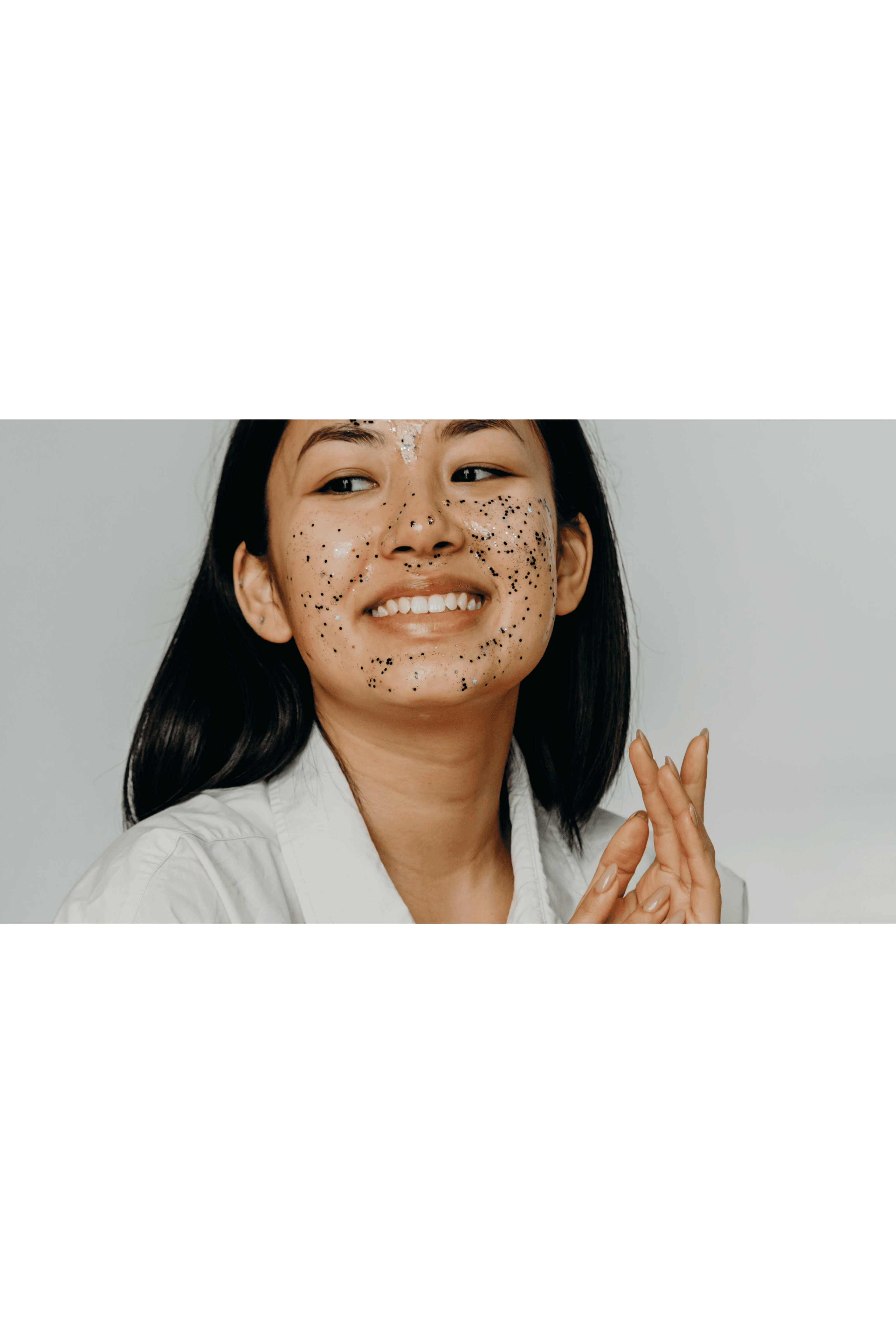
Myth #4: Pores Can Open and Close
Pores can look more noticeable for plenty of reasons. This post breaks down the myth and explains what actually changes the way they look.
Telederm Clinical Team · Sep 21, 2026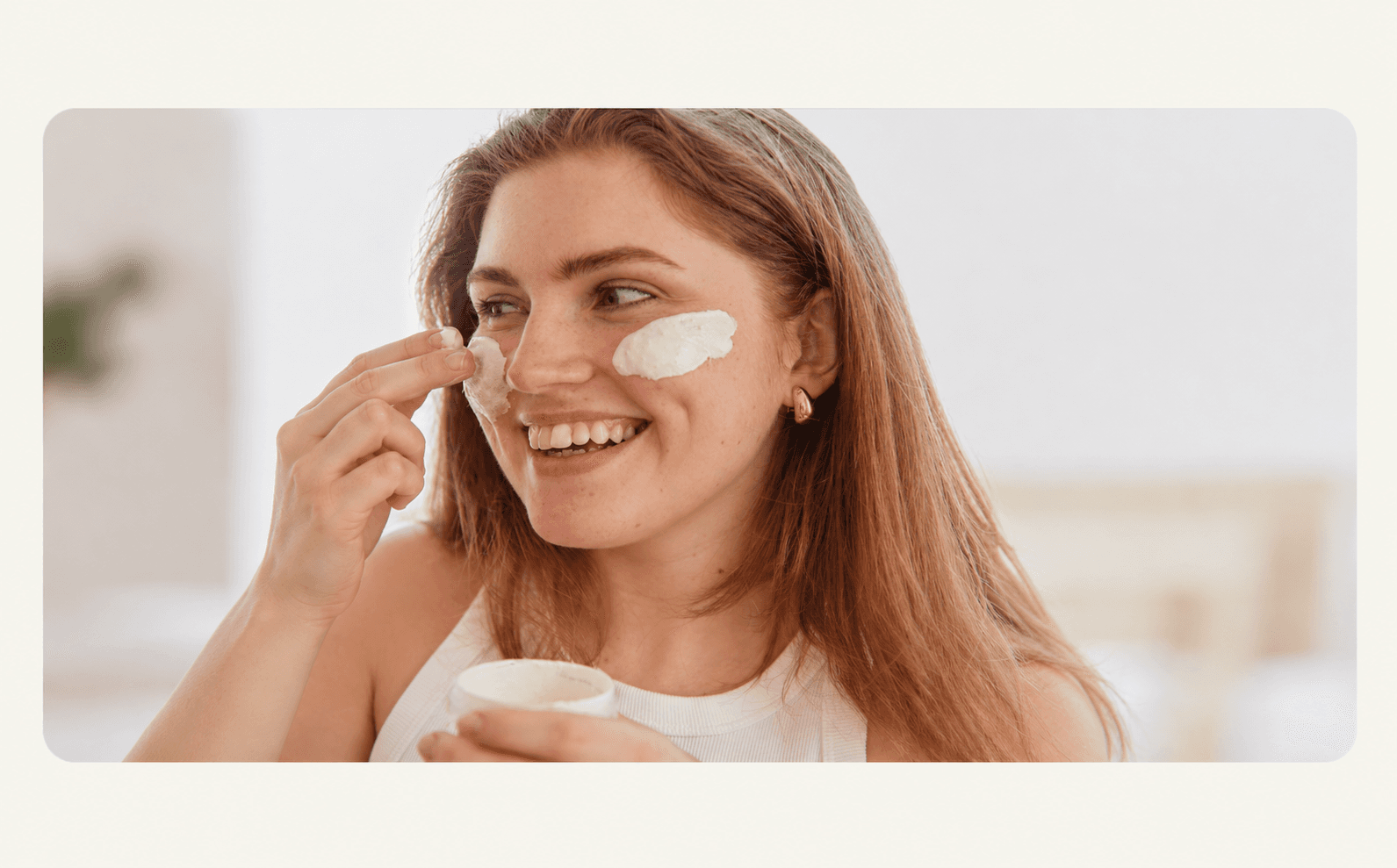
Myth #1: Oily Skin Doesn't Need Moisture
If your skin already feels oily, adding moisturizer might sound like the last thing you need. But oil and moisture tell two different stories.
Telederm Clinical Team · Aug 24, 2026