
Oral vs. Topical Minoxidil & Finasteride
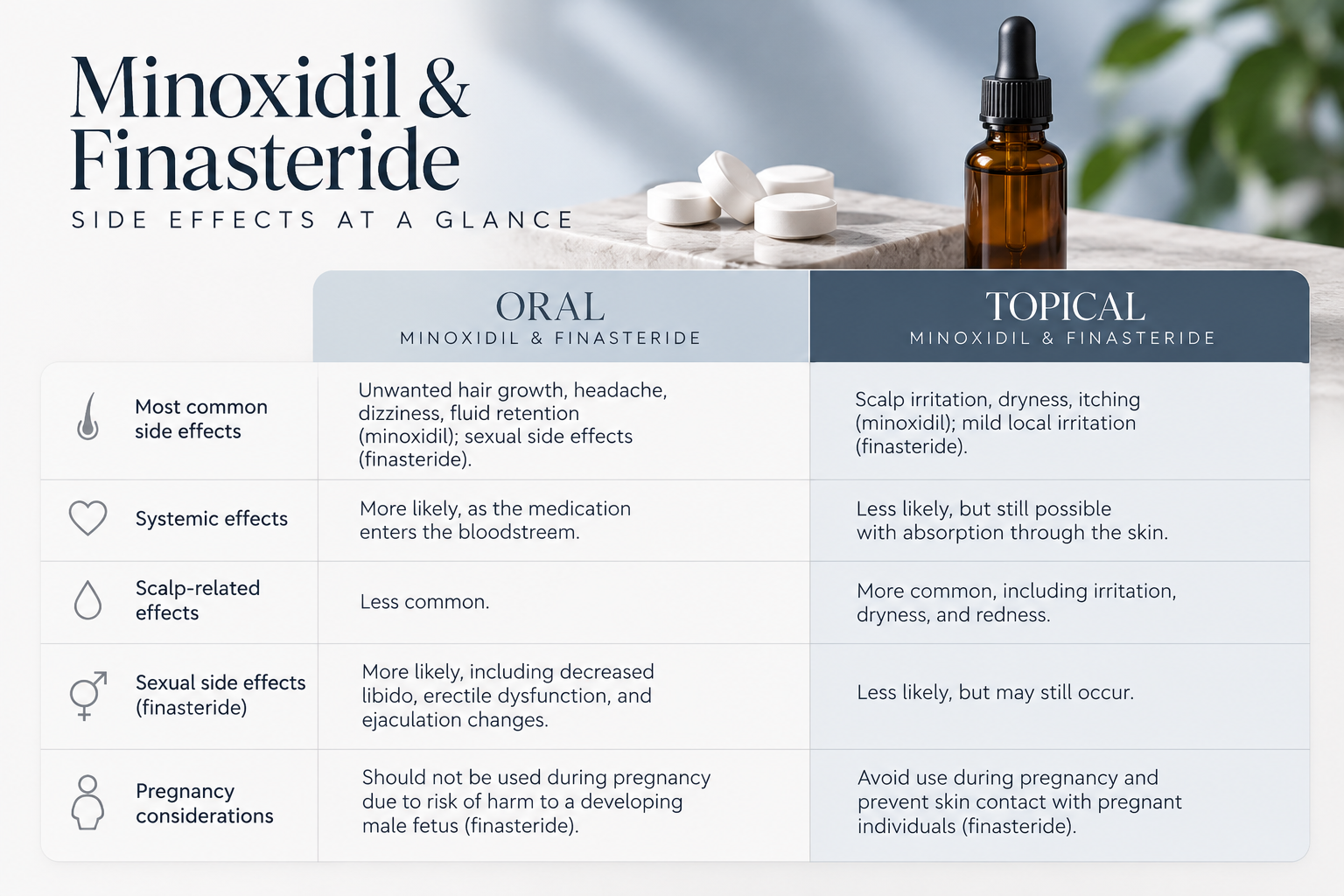
Oral and topical minoxidil and finasteride are commonly used to treat hair loss, but their side effects aren't identical. From scalp irritation and unwanted hair growth to cardiovascular concerns and sexual side effects, learn how these treatments compare, what men and women should know, and why the formulation matters.
 Medically reviewed byKnox Beasley, MD, FAADDermatologist

Hair-loss treatment has become increasingly personalized, with patients able to choose between medications applied directly to the scalp and medications taken by mouth. Minoxidil and finasteride are among the most established treatments for androgenetic alopecia, commonly known as pattern hair loss, but the growing availability of topical and oral formulations has introduced an important question: how does the method of administration affect the risk of side effects?
Topical treatments are often assumed to be safer because they're applied locally. Although this can reduce exposure elsewhere in the body, it doesn't necessarily eliminate systemic absorption. The answer also differs considerably between minoxidil and finasteride, two medications that promote hair retention and growth through entirely different mechanisms.
Understanding their individual safety profiles is essential when weighing treatment options.
Minoxidil: How Oral and Topical Treatments Differ
Minoxidil was originally developed as an oral medication for severe hypertension. Its ability to stimulate hair growth eventually led to the development of topical formulations, which are now widely used for pattern hair loss.
Topical minoxidil is FDA-approved for certain forms of pattern hair loss. Low-dose oral minoxidil, although increasingly prescribed by dermatologists, remains an off-label treatment for hair loss in the United States.
Both formulations can support hair growth, but their adverse effects differ because of how the medication enters the body.
Topical Minoxidil: Mostly Localized Side Effects
Topical minoxidil is applied to the scalp, typically as a solution or foam. Its most familiar side effects involve the application area, including itching, redness, dryness, and irritation.
Some patients develop contact dermatitis, which may be related to minoxidil itself or another ingredient in the formulation. Propylene glycol, found in certain liquid solutions, is one possible contributor. Switching to a propylene glycol-free formulation, such as many minoxidil foams, may help when irritation is caused by this ingredient. However, an allergy to minoxidil itself requires a different approach.
Unwanted hair growth outside the scalp can also occur, particularly when medication spreads to the face or is transferred through the hands or bedding.
Although systemic effects are uncommon with proper topical use, they remain possible. Palpitations, dizziness, swelling, or other concerning symptoms warrant medical attention.
Temporary increased shedding may occur after beginning treatment as hair follicles transition through their growth cycles. This shedding typically lasts 1–2 months and is not necessarily a sign that treatment is failing. However, persistent or substantial shedding deserves evaluation.
Oral Minoxidil: Greater Attention to Cardiovascular Effects
Oral minoxidil enters the bloodstream and can affect blood vessels throughout the body. Dermatologists prescribing it for hair loss generally use substantially lower doses than those historically used to treat severe hypertension.
Because of its systemic activity, the potential side effects extend beyond the scalp.
Unwanted hair growth on the face or body, known as hypertrichosis, is the most frequently reported adverse effect. Other possible reactions include lightheadedness, fluid retention, ankle swelling, increased heart rate, and headaches.
In a retrospective study involving 1,404 patients receiving low-dose oral minoxidil for hair loss, researchers reported hypertrichosis in 15.1%, lightheadedness in 1.7%, fluid retention in 1.3%, and tachycardia in 0.9%. These findings are reassuring in some respects, but the study lacked a control group and cannot establish the safety of treatment for every patient.
Oral minoxidil also carries an important historical safety concern. The FDA-approved oral medication has a boxed warning about serious cardiovascular complications, including pericardial effusion, which involves fluid accumulating around the heart. These warnings originate from its use as a systemic blood-pressure medication and should not be interpreted as the expected risk of every low-dose hair-loss regimen. Nevertheless, rare serious complications remain important considerations.
What Does Research Show When Minoxidil Is Compared Directly?
After 24 weeks, oral minoxidil did not demonstrate overall superiority over topical treatment for the study's primary hair-density outcomes. However, the side-effect patterns differed.
In that trial:
Unwanted hair growth occurred in 49% of the oral group compared with 25% of the topical group.
Headaches were reported in 14% of the oral group versus 2% of the topical group.
Scalp eczema occurred in 2% of the oral group versus 16% of the topical group.
These percentages come from a relatively small, six-month trial using specific doses. They should not be interpreted as universal side-effect rates or predictions for patients using different formulations.
The findings nevertheless illustrate an important trade-off: topical treatment may be more likely to cause scalp-related problems, while oral treatment exposes the body more broadly to the medication.
Finasteride: Why Systemic Exposure Matters
Finasteride works differently from minoxidil. It inhibits the enzyme 5-alpha-reductase, reducing the conversion of testosterone into dihydrotestosterone (DHT), a hormone involved in the progressive miniaturization of susceptible hair follicles.
Oral finasteride 1 mg is FDA-approved for male-pattern hair loss. Topical finasteride is used in some countries and is available through compounding in the United States, but no topical finasteride formulation is FDA-approved in the U.S.
The distinction is particularly important because finasteride affects hormone metabolism, and applying it to the scalp does not guarantee that its effects remain confined there.
Oral Finasteride: Sexual, Hormonal, and Mood-Related Effects
Oral finasteride reduces circulating DHT and can slow hair loss in appropriately selected patients.
Potential adverse effects include decreased libido, erectile dysfunction, and ejaculatory changes. Breast tenderness and enlargement of male breast tissue, known as gynecomastia, have also been reported. These effects are less commonly reported than sexual side effects, and their frequency at the 1 mg hair-loss dose is not well established..
Depression, mood changes, and suicidal thoughts have been reported in association with finasteride use. Patients and clinicians should take these symptoms seriously, even though the frequency and causal relationships of some reported effects remain subjects of research.
One of the most debated concerns involves sexual or neuropsychiatric symptoms that reportedly persist after discontinuation. Persistent symptoms have been described in postmarketing reports and observational research, but determining their frequency, causation, and individual risk remains difficult.
This uncertainty should not be dismissed, nor should it be presented as evidence that persistent effects are inevitable or common.
Finasteride can also lower prostate-specific antigen (PSA) levels, which may affect interpretation of prostate screening tests. Patients undergoing PSA testing should inform their healthcare professional that they use finasteride.
Topical Finasteride: Lower Exposure Does Not Mean No Risk
Topical finasteride is intended to deliver medication to the scalp while limiting exposure elsewhere in the body. Some clinical evidence suggests that particular topical formulations can achieve hair-growth benefits with substantially lower blood concentrations than oral finasteride.
That difference is meaningful, but the topical formulation still produced a measurable systemic hormonal effect. Even when less finasteride reaches the bloodstream, a topical formulation may still lower circulating DHT, which is why systemic side effects cannot be ruled out.
In the same trial, treatment-related sexual adverse events were reported in 2.8% of topical finasteride users, 3.3% of placebo users, and 4.8% of oral finasteride users. The study was not large or long enough to establish the frequency of uncommon or persistent adverse effects.
Topical treatment may also cause local reactions such as redness, itching, dryness, or burning.
Importantly, the results of this particular spray formulation cannot automatically be applied to every compounded finasteride solution, gel, or combination product. Concentration, applied volume, vehicle, dosing frequency, and skin condition can all influence drug exposure.
The FDA's Warning About Compounded Topical Finasteride
In 2025, the FDA issued a safety alert concerning compounded topical finasteride products.
The agency described 32 adverse-event reports received between 2019 and 2024, including sexual dysfunction, depression, anxiety, suicidal ideation, fatigue, and other symptoms. Some reports described symptoms continuing after treatment was discontinued.
These reports are important safety signals, but they do not establish how frequently such reactions occur or prove causation in every individual case.
The FDA also highlighted the possibility of accidental exposure to other people through contact with treated skin or transferred medication.
Finasteride should not be used during pregnancy because of the potential risk to a developing male fetus. Compounded topical preparations also create a concern about accidental exposure through contact with treated skin or transferred medication, particularly for someone who is pregnant or could become pregnant.
Compounded medications are not FDA-approved, meaning the FDA does not evaluate each compounded product for safety, effectiveness, and quality before marketing. This distinction should be clearly explained when discussing topical finasteride.
What About Women Experiencing Hair Loss?
Minoxidil is used to treat pattern hair loss in both men and women, although the available topical products and approved instructions differ.
Low-dose oral minoxidil is also prescribed off-label for some women, with the same need to consider blood pressure, cardiovascular health, unwanted hair growth, and other systemic effects.
Finasteride requires a different discussion. Oral finasteride for pattern hair loss is FDA-approved for men, not women. Dermatologists sometimes consider off-label finasteride treatment in selected women, but its use requires careful assessment, particularly regarding pregnancy potential.
Finasteride is contraindicated during pregnancy because of the risk of abnormalities in the external genitalia of a developing male fetus. Topical application does not remove this concern because systemic absorption can occur.
Minoxidil, whether taken orally or applied topically, is not recommended during pregnancy or breastfeeding. Patients who are pregnant, planning to become pregnant, or breastfeeding should discuss alternative hair-loss treatments with their healthcare provider.
Can Side Effects Be Reduced by Choosing a Topical Formulation?
Sometimes, but the answer depends on the medication and the individual.
For minoxidil, topical treatment generally limits systemic exposure but can create scalp irritation that oral treatment avoids. Oral minoxidil eliminates the need for scalp application while introducing additional cardiovascular considerations.
For finasteride, certain topical formulations have demonstrated lower systemic exposure than oral tablets. However, measurable DHT suppression and reported systemic adverse effects mean topical finasteride cannot reasonably be described as risk-free.
The lowest effective dose, formulation characteristics, application technique, medical history, and other medications may all influence treatment selection. Using more product than prescribed or applying it to irritated or damaged skin may increase exposure.
Combining minoxidil and finasteride in one topical preparation also does not eliminate either medication's potential adverse effects. Patients should understand the ingredients and concentrations in any compounded treatment they receive.
When Should You Contact a Healthcare Professional?
Mild scalp irritation may sometimes be addressed through a formulation change, but persistent or worsening symptoms should be evaluated rather than ignored.
Patients using minoxidil should seek prompt medical assessment for new swelling, significant dizziness, palpitations, or other concerning cardiovascular symptoms. Chest pain, fainting, or difficulty breathing warrant urgent medical attention.
Patients taking finasteride should contact their prescriber if they experience sexual dysfunction, breast changes, or new mood symptoms. Suicidal thoughts require immediate help.
Medication should never be continued through a serious reaction simply because hair-loss treatment takes time to work.
Choosing a Hair-Loss Treatment Based on More Than Convenience
There is no single oral or topical option that offers the best balance of effectiveness and tolerability for everyone.
For some patients, a topical formulation provides a practical way to treat hair loss while limiting systemic exposure. Others may find oral treatment easier to use or may be unable to tolerate a topical vehicle. The most appropriate choice depends on the diagnosis, medical history, reproductive considerations, and the patient's willingness to accept specific risks.
Another important consideration is how long treatment may be needed. If you're wondering whether starting minoxidil means committing to it indefinitely, read our article, Does Minoxidil Have to Be Forever?
A dermatologist can help distinguish pattern hair loss from other causes, evaluate treatment suitability, and explain what is known—and what remains uncertain—about each medication.
The goal isn't simply to find a formulation that grows hair. It's to choose a treatment whose benefits, limitations, and potential adverse effects are understood before therapy begins.
Knox Beasley, MD, FAAD
Dermatologist · Tulane University School of Medicine
Acne, Rosacea, Scalp conditions
Keep reading.
All in Hair →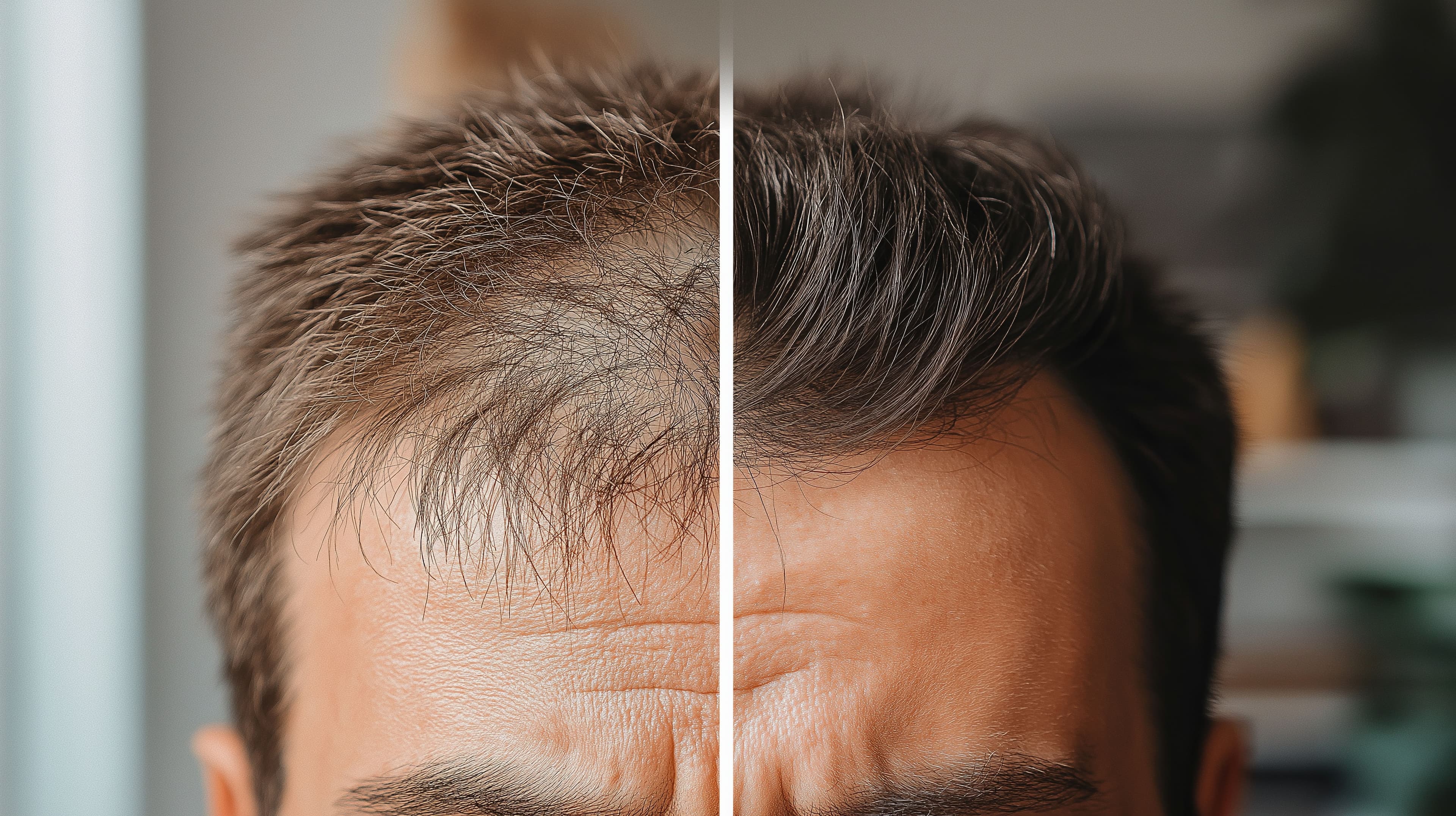
Does Minoxidil Have to Be Forever?
If you've been avoiding minoxidil because you don't want to be on it forever, the answer may be more nuanced than you think. Here's what a board-certified dermatologist actually says about long-term use.
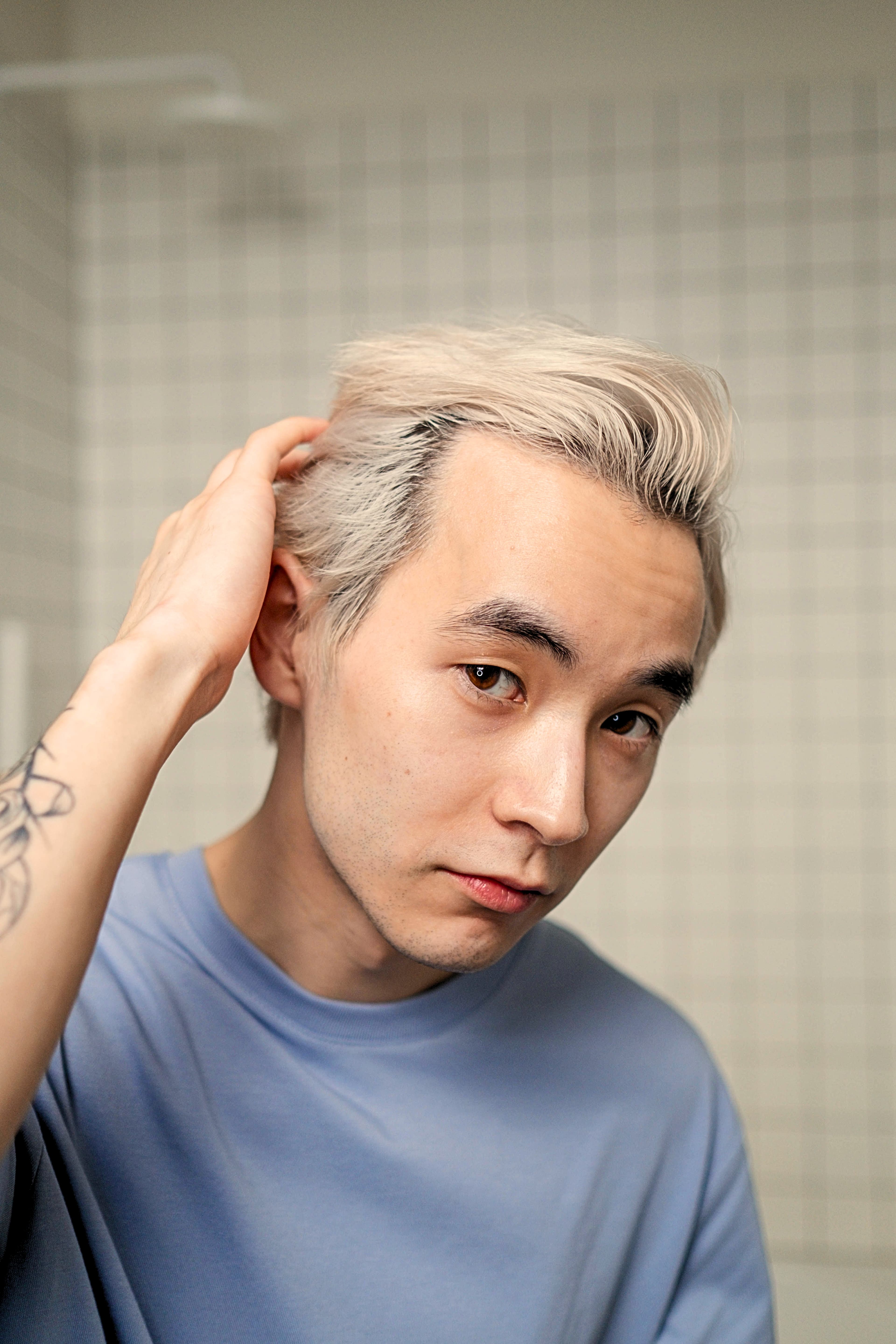
Can Hair Loss Be Reversed? Understanding Your Treatment Options
Not all hair loss is permanent. Learn what affects the chances of hair regrowth, common treatment options, and why personalized treatment plans may play an important role in managing hair loss.
 Telederm Clinical Team · Aug 13, 2026
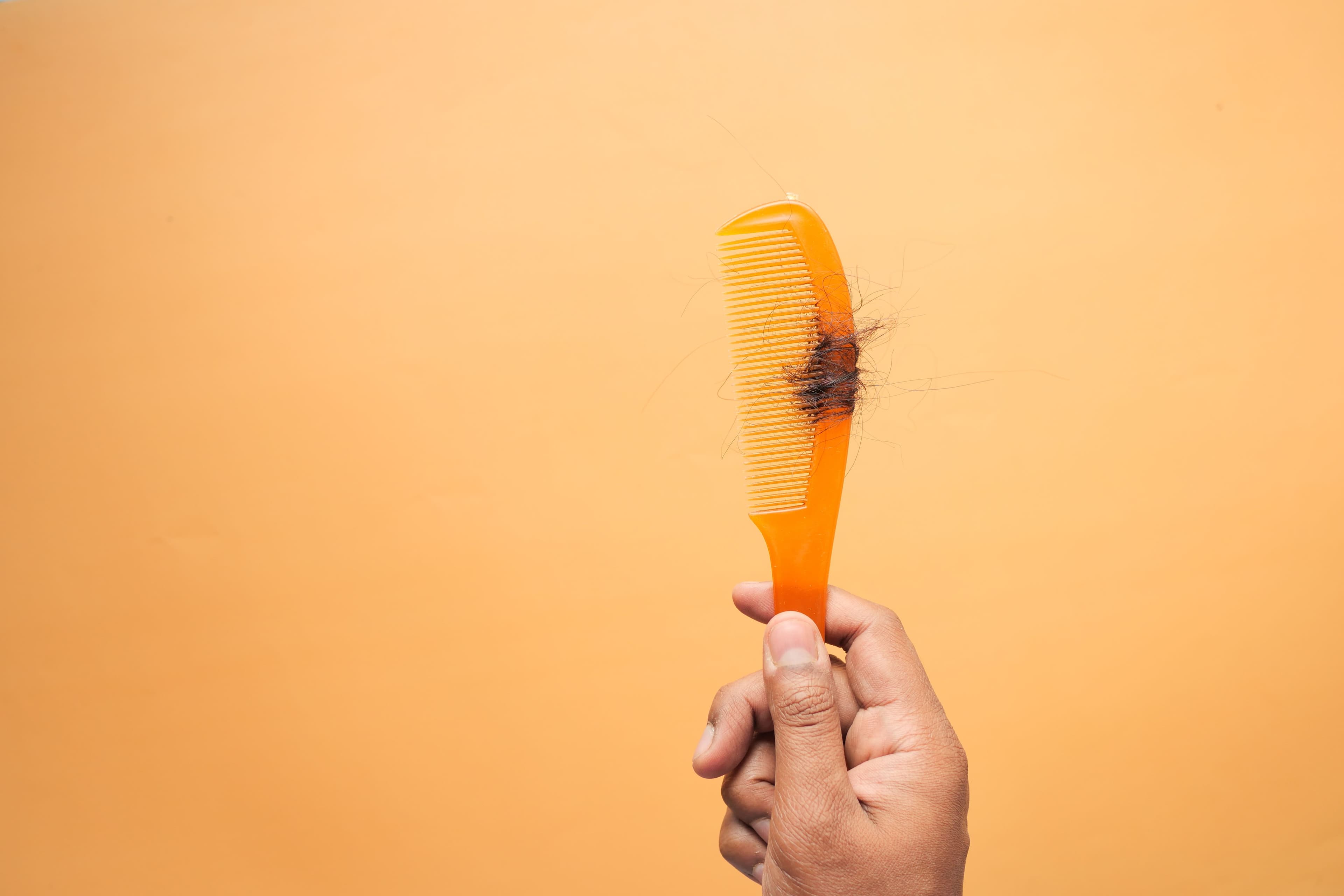
Hair Shedding vs Hair Loss: What's the Difference?
Noticing more hair in your brush or shower drain? Learn the differences between hair shedding and hair loss, common causes, and signs that may help you better understand what's happening.

The Secret to Longer Hair Might Be a Haircut
Your hair may be growing just fine, even if it never seems to get any longer. The problem could be happening at the ends. Here’s how trims, breakage, and length retention all fit together.
Telederm Clinical Team · Sep 21, 2026