
Hair Shedding vs Hair Loss: What's the Difference?
Noticing more hair in your brush or shower drain? Learn the differences between hair shedding and hair loss, common causes, and signs that may help you better understand what's happening.
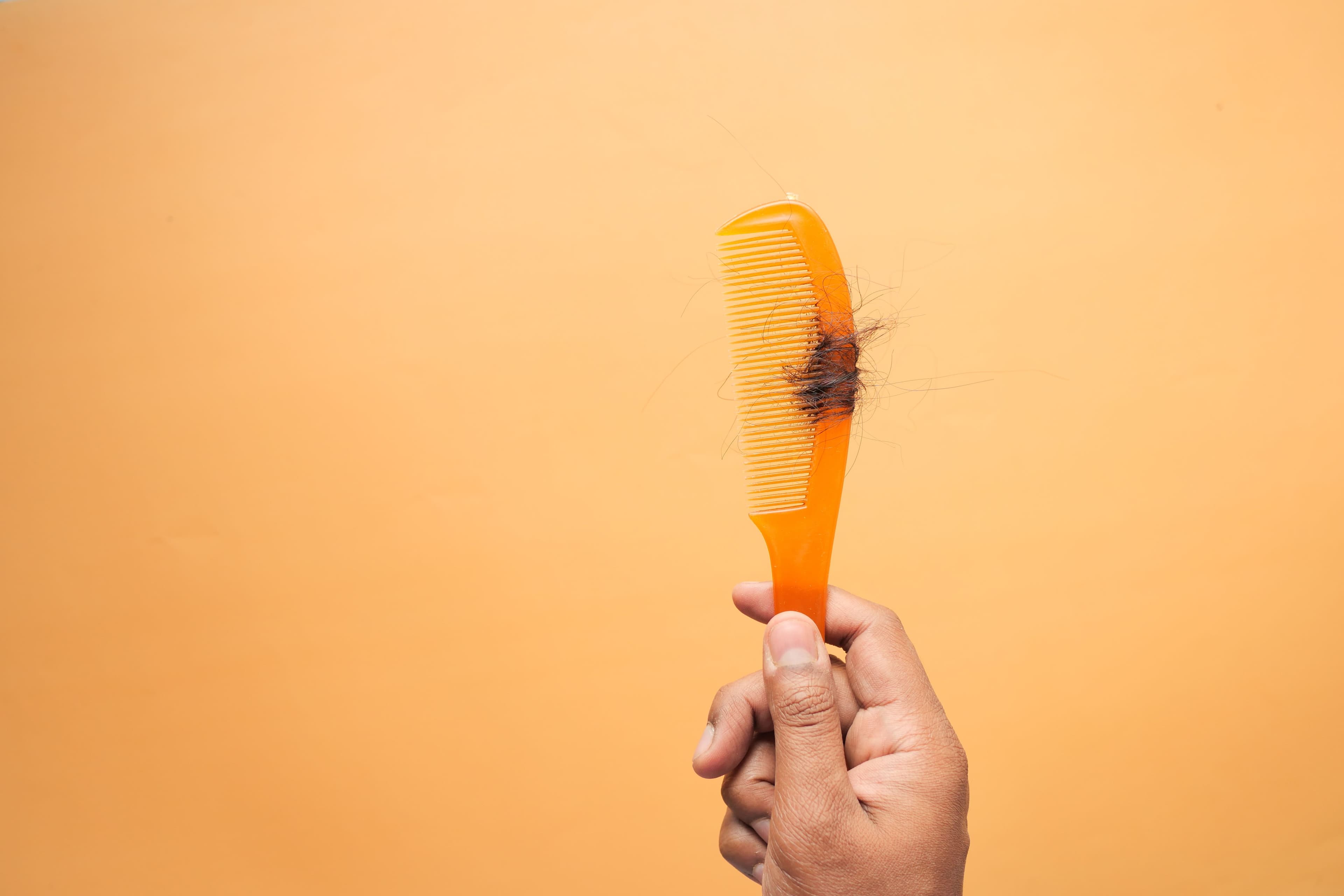
Have you noticed more hair than usual in your brush, shower drain, or on your pillow? It's easy to assume the worst when you see extra strands falling out, but not all hair loss is the same.
In many cases, increased shedding is a normal part of the hair growth cycle. In others, it may be a sign of an underlying hair loss condition. Because the two can look similar, it's common for people to wonder whether what they're experiencing is temporary hair shedding or true hair loss.
Understanding the difference between hair shedding and hair loss can help you better recognize common patterns, understand what may be contributing to changes in your hair, and know when it may be helpful to seek additional help from our board-certified dermatologists.
In this guide, we'll explore the differences between hair shedding and hair loss, discuss common causes of each, explain why they're often confused, and review situations where professional evaluation may be helpful.
Is Hair Shedding Normal?
Before comparing hair shedding and hair loss, it helps to understand that some amount of daily hair shedding is completely normal.
Hair naturally moves through a continuous growth cycle that includes periods of growth, transition, rest, and shedding. As older hairs reach the end of their cycle, they naturally fall out and are replaced by new ones.
Because of this ongoing process, most people lose some hair each day without noticing any significant change in the overall thickness or appearance of their hair.
The challenge is that when shedding becomes more noticeable than usual, it can be difficult to tell whether it's simply a temporary part of the hair growth cycle or a sign of something else.
What Is Hair Shedding?
Hair shedding generally refers to an increase in the amount of hair that naturally falls out as part of the hair growth cycle.
In many cases, shedding is temporary and may occur after a physical or emotional stressor.
Examples can include:
Illness
Significant stress
Hormonal changes
Pregnancy and postpartum changes
Rapid weight loss
Major lifestyle changes
Some people first notice shedding when they begin seeing more hair in the shower, on their hairbrush, or throughout the day.
Because shedding often occurs across the scalp rather than in one specific area, it may not always immediately cause visible thinning.
What Is Hair Loss?
Unlike shedding, hair loss generally refers to a reduction in hair density that may occur when hair follicles stop producing normal hair growth over time.
Hair loss can develop gradually or become more noticeable over longer periods.
Examples commonly discussed include:
Female pattern hair loss
Other conditions that affect hair growth
Hair loss may present differently from person to person. Some people notice thinning around the hairline, while others observe widening of the part or reduced density at the crown of the scalp.
Hair Shedding vs Hair Loss: Key Differences
When comparing hair shedding vs hair loss, there are several differences people commonly discuss.
Hair shedding is often:
More sudden in onset
Temporary in nature
Associated with a triggering event
Distributed across the scalp
Hair loss is often:
More gradual
Associated with visible thinning
Focused in specific areas
Progressive over time
However, these patterns do not apply to everyone, and individual experiences can vary.
Can Hair Growth Treatments Cause Shedding?
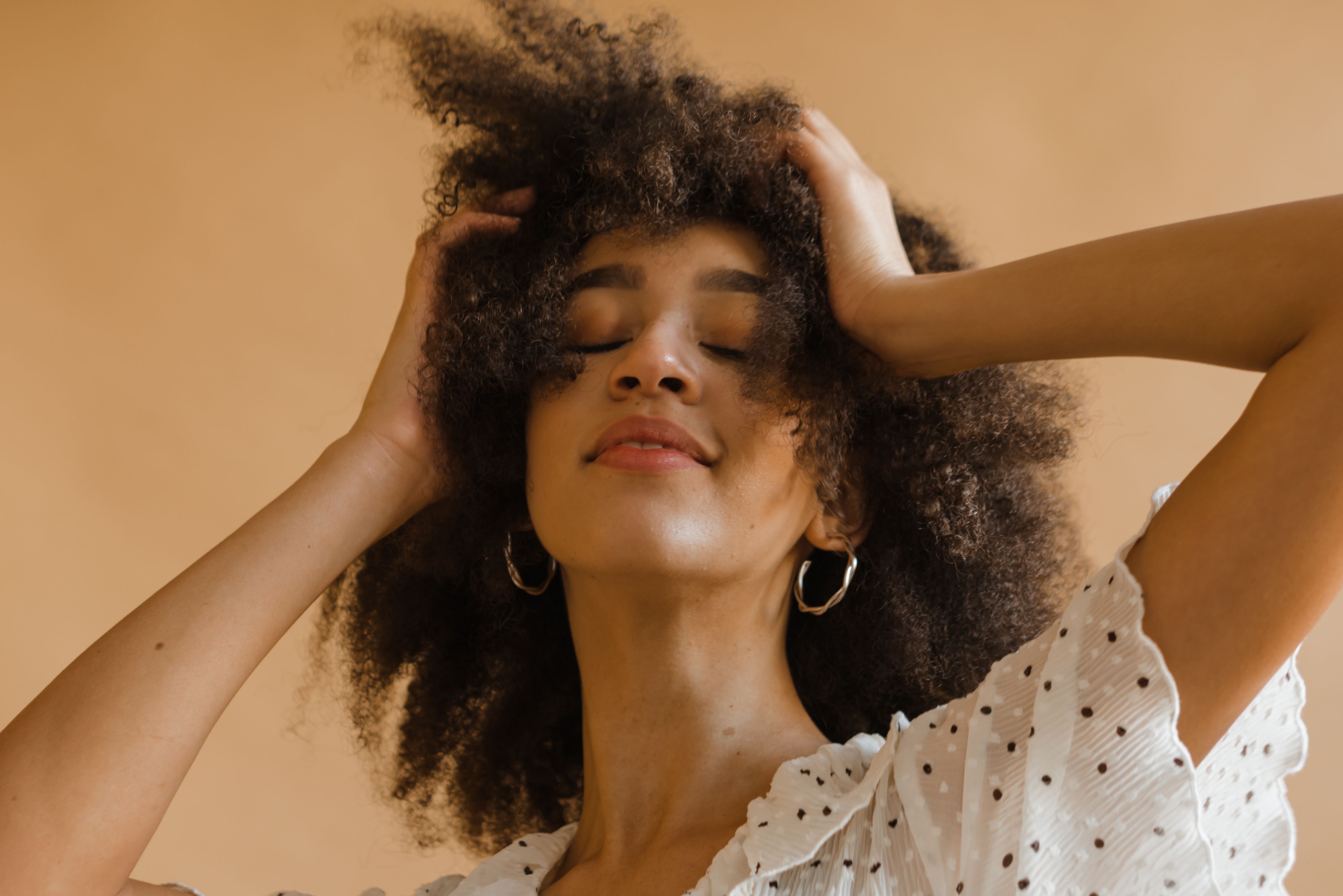
Some individuals notice increased shedding after beginning treatments such as minoxidil or finasteride. When this happens, it can be alarming and may lead people to wonder whether the treatment is making their hair loss worse.
However, increased shedding after starting a hair growth treatment does not necessarily mean the treatment is not working.
Hair growth occurs in cycles, and some treatments are thought to influence those cycles by encouraging hairs in resting phases to transition into new growth phases. As part of this process, older hairs may shed before newer hairs begin growing.
Because of this, some people may temporarily notice more shedding during the early stages of treatment.
One reason this can be confusing is that shedding is often viewed as a negative sign. In reality, the appearance of increased shedding after starting certain hair growth treatments does not automatically indicate treatment failure. In some situations, it may simply reflect changes occurring within the hair growth cycle.
For this reason, some individuals stop treatment prematurely because they assume it is not working, when in fact the shedding may be temporary.
Hair growth treatments affect individuals differently, and experiences can vary. Anyone with concerns about changes they notice after starting treatment should discuss them with their healthcare provider.
What Can Influence Hair Changes?
Many factors may influence hair growth and shedding patterns.
Examples can include:
Genetics
Hormonal changes
Stress
Nutritional factors
Illness
Medications
Aging
Hair growth is a complex process, which is one reason hair changes can sometimes feel confusing or unpredictable.
When Additional Guidance May Help
Additional support may be helpful if:
Shedding continues over time
You notice visible thinning
Bald patches develop
Hair changes become increasingly noticeable
You're unsure what may be contributing to the issue
Hair concerns can sometimes involve multiple contributing factors, making ongoing trial and error frustrating.
Understanding Your Next Step
Telederm offers an online process designed to make dermatology care easier to access.
Patients can:
Select a hair or scalp concern
Complete guided questions
Upload photos
Have their case reviewed by a board-certified dermatologist
If treatment is medically appropriate, your dermatologist will recommend a personalized plan based on the details of the visit.
To learn more about the skin, hair, and scalp conditions Telederm evaluates, or to see how our online dermatology process works, visit our services page.
Understanding the Bigger Picture
When it comes to hair shedding vs hair loss, seeing more hair fall out does not automatically mean permanent hair loss is occurring.
Hair growth naturally changes over time, and many factors can influence how much hair a person notices shedding from day to day.
Understanding patterns, paying attention to changes, and recognizing that shedding and hair loss are not always the same thing can provide valuable perspective when trying to understand what your hair may be experiencing.
Keep reading.
All in Hair →
Does Minoxidil Have to Be Forever?
If you've been avoiding minoxidil because you don't want to be on it forever, the answer may be more nuanced than you think. Here's what a board-certified dermatologist actually says about long-term use.
A GLP-1 Can Change More Than the Number on the Scale
Significant weight loss can bring changes beyond the number on the scale. Learn about common skin and hair changes—including hair shedding, dry skin, and changes in facial appearance—and discover simple ways to support healthy-looking skin throughout your weight-loss journey.
 Telederm Clinical Team · Aug 4, 2026
Can Hair Loss Be Reversed? Understanding Your Treatment Options
Not all hair loss is permanent. Learn what affects the chances of hair regrowth, common treatment options, and why personalized treatment plans may play an important role in managing hair loss.
Telederm Clinical Team · Aug 13, 2026
Dandruff vs Seborrheic Dermatitis: Key Differences
Dandruff and seborrheic dermatitis can cause similar symptoms, but they aren't exactly the same. Learn the key differences, common causes, and when professional support may help.