
Does Your Skin Get Used to Skincare Products?
Your favorite skincare product worked wonders at first. Now? Not so much. Here's why your skin might seem less impressed—and whether you really need to switch products.
 Written byTelederm Clinical Team, MD | RPh | PharmD | FAAD: Madison M.Dermatology & Clinical Content Team

Remember that moisturizer you fell in love with?
The one that made your skin feel unbelievably soft after the first few uses? You recommended it to everyone, considered buying a backup, and briefly wondered how you'd ever lived without it.
Then, a few weeks later, something changed.
Your skin didn't feel quite as amazing anymore.
So, did your skin get used to the product? Did the ingredients stop working? Or was that initial excitement doing some of the heavy lifting?
Let's talk about what's actually happening.
Can Your Skin Build a Tolerance to Skincare?
The short answer? Not in the way you might think.
Your skin doesn't automatically become immune to a moisturizer, cleanser, or serum simply because you've been using it for a while.
But your skin's condition can change, and that can influence how noticeable a product's benefits feel.
For example, when you first introduce a moisturizer to very dry skin, the improvement may be dramatic. Your skin might feel softer, smoother, and more comfortable almost immediately.
Once your skin is consistently moisturized, though, that dramatic before-and-after difference may become less noticeable.
The product may still be working. You just aren't experiencing the same contrast you did at the beginning.
Why Does a Product Sometimes Seem Less Effective?
There are several possible explanations.
Your Skin's Needs Have Changed
Your skin isn't exactly the same every day.
Seasonal changes, humidity, environmental exposure, and changes in your skincare routine can all influence how dry or comfortable your skin feels.
That doesn't mean your skin has developed resistance to the product. It may simply need something different.
The Initial Improvement Has Leveled Off
Some skincare products produce their most noticeable changes when they address an existing concern.
Once that concern improves, continuing the product may help maintain the result rather than produce increasingly dramatic changes.
And maintenance doesn't always feel as exciting as improvement.
You've Become Accustomed to the Results
Sometimes the change is in your perception rather than the product's performance.
When you see your skin every day, gradual improvements can become part of your new normal.
What once felt like a remarkable difference may eventually become something you barely notice.
What About Retinol and Other Active Ingredients?
This is where the conversation gets a little more complicated.
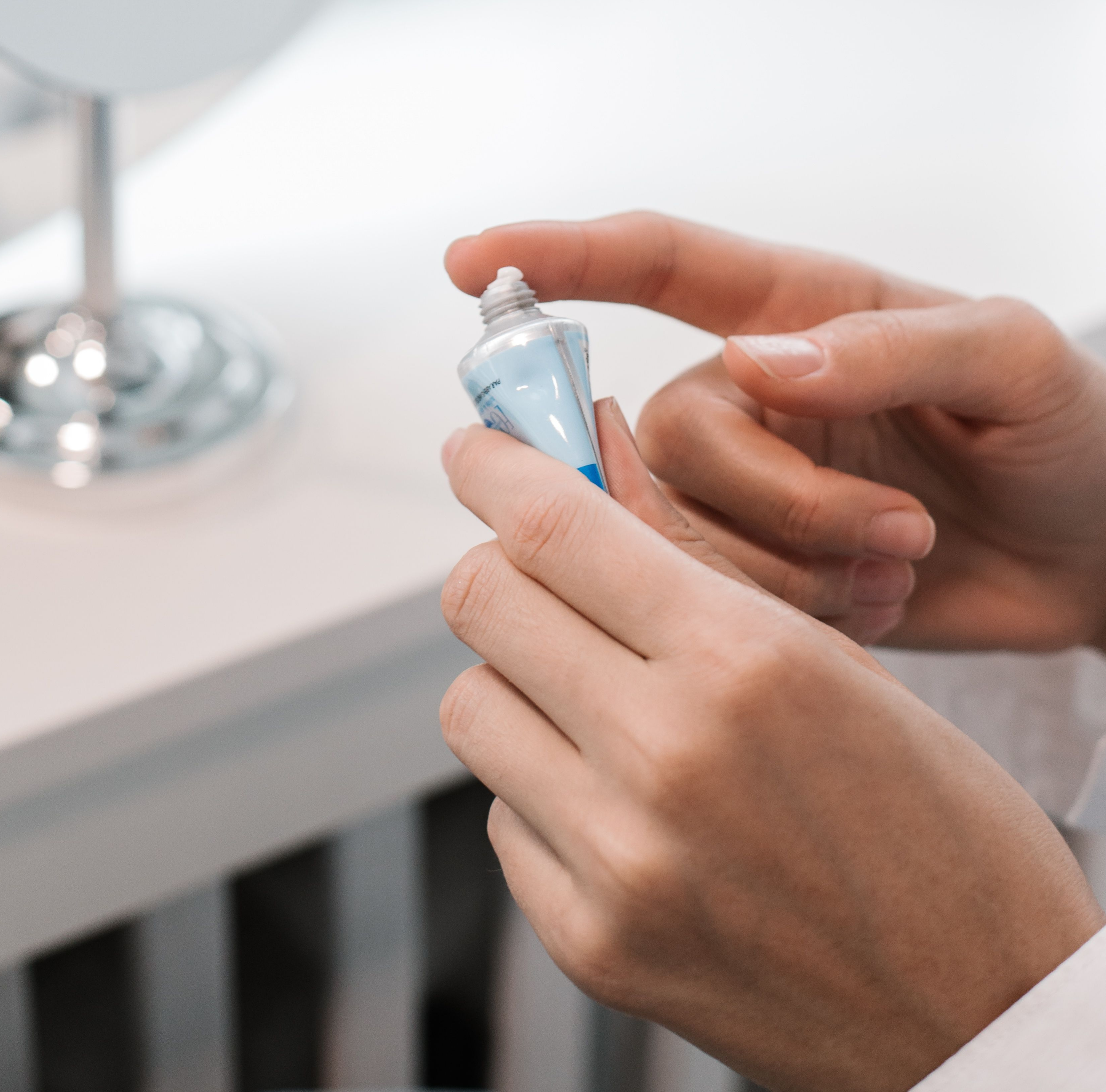
Some active ingredients can cause irritation when first introduced, and that irritation may decrease as the skin adjusts to treatment.
Topical retinoids are a familiar example. Dryness, peeling, and irritation can occur during the early stages of use, although not everyone experiences them.
But becoming more comfortable with an ingredient isn't the same as that ingredient losing its effectiveness.
Likewise, a product causing less tingling or irritation over time doesn't automatically mean you need a stronger concentration.
If you're using a prescription topical medication, changes to the strength or frequency should be discussed with your prescribing clinician rather than made simply because the product feels less noticeable.
How Can You Tell If a Product Is Still Working?
Instead of judging a product by how dramatic it feels, think about what you originally wanted it to accomplish.
If you started using a moisturizer because your skin felt tight and flaky, are those symptoms still under control? If you introduced a treatment for a specific concern, has that concern improved or remained stable?
These observations can be more useful than expecting every application to produce a noticeable transformation.
It also helps to remember that different ingredients work on different timelines. A moisturizer may improve how your skin feels relatively quickly, while treatments targeting acne or uneven pigmentation can take considerably longer to show visible results.
Should You Switch Products to Keep Them Working?
Not necessarily.
There's no skincare rule requiring you to rotate products every few months. If something is working for your skin, there's no reason to replace it just for the sake of trying something new.
Of course, your skin's needs can change. Seasonal shifts, new concerns, or irritation may mean it's time to rethink your routine.
But before you retire that once-beloved moisturizer, consider this: Has it really stopped working, or have you simply gotten used to having better skin?
Telederm Clinical Team, MD | RPh | PharmD | FAAD
Dermatology & Clinical Content Team · Telederm.me
Keep reading.
All in Treatment Insights →
Why Your Skincare Pills (And How to Stop It)
Ever notice tiny balls forming when you layer your skincare? The problem may be how your products interact. Explore the science behind skincare pilling, which ingredients to look for, and simple ways to prevent it.
Telederm Clinical Team · Oct 19, 2026
Meet Urea: The Ingredient That Works in More Ways Than One
Urea might not be the trendiest skincare ingredient, but its versatility makes it a dermatology staple. Learn how different concentrations can help with everything from everyday dryness to rough, thickened skin.
Is Your Lip Balm Making Your Lips Drier?
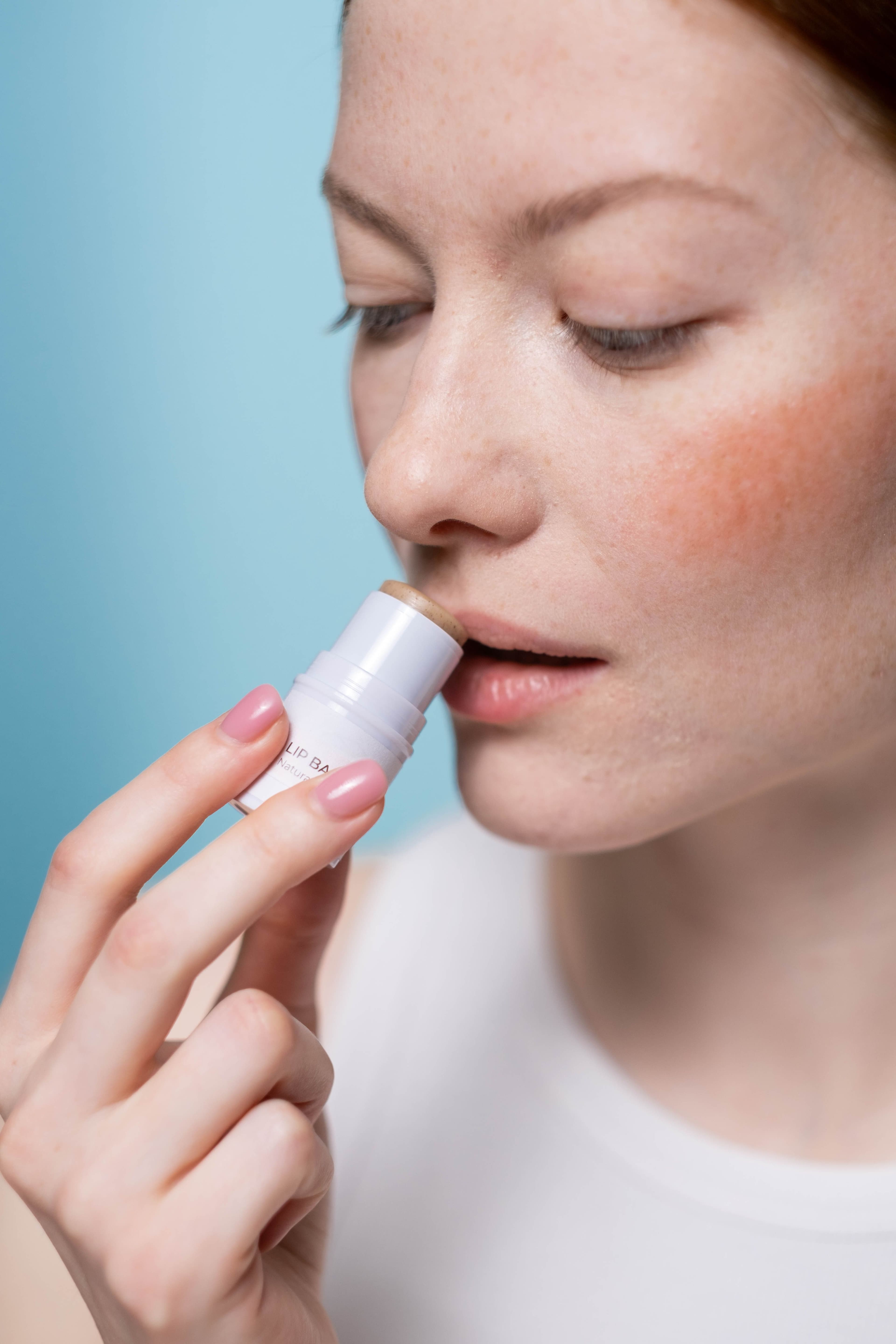
If your lips always seem dry despite frequent lip balm use, the ingredients in your favorite product could be contributing to the problem. Discover which ingredients may cause irritation and why inexpensive options like petroleum jelly can sometimes provide better relief.
Skincare Trend or Holy Grail? Let's Talk Slugging and Flooding
Slugging and skin flooding have taken over skincare routines, but are they worth the hype? Explore the science behind these viral trends, their benefits, and how to decide which approach is right for your skin.
Telederm Clinical Team · Oct 21, 2026