
Rosacea Triggers You Might Be Overlooking
You've switched your cleanser, started wearing sunscreen, and even reconsidered your morning coffee. So why is your rosacea still flaring? Explore 10 everyday triggers you might be overlooking and learn how to recognize the patterns that matter for your skin.
 Written byTelederm Clinical Team, MD | RPh | PharmD | FAAD: Heba Mannaa RPHDermatology & Clinical Content Team
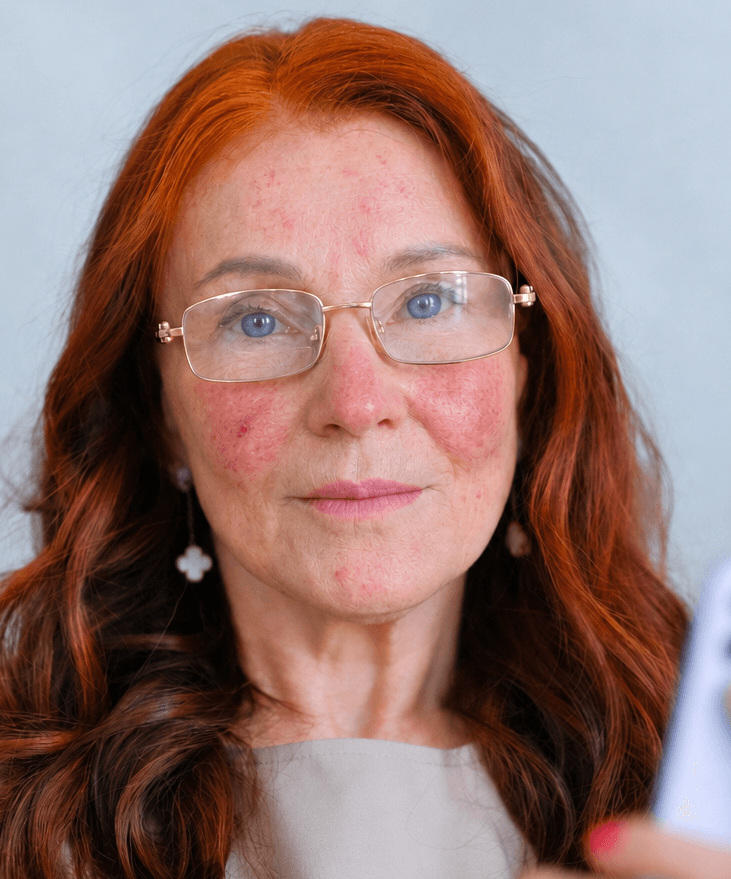
You switched to a gentler cleanser. You started wearing sunscreen every day. You even gave up red wine, which, admittedly, hurt a little.
And yet, your cheeks are still flushing. Your skin still seems to flare up without warning.
Sound familiar?
One of the most frustrating things about rosacea is how unpredictable it can feel. You might follow the same skincare routine every day, eat the same foods, and still wake up wondering why your skin suddenly looks different.
But sometimes, the explanation is hiding in something so ordinary that you wouldn't think to question it.
Your morning coffee. The temperature of your shower. A windy afternoon. Even the way you exercise.
The tricky part? Rosacea triggers aren't universal. Something that causes noticeable flushing for one person might have no effect on someone else.
If you're still trying to figure out whether your redness is actually rosacea, our guide to When It's Not Acne: Understanding Rosacea is a good place to start.
Already know you're dealing with rosacea? Let's look at some of the triggers you might be overlooking.
Why Does Rosacea Flare Up in the First Place?
Rosacea is a chronic inflammatory skin condition that can involve persistent facial redness, flushing, visible blood vessels, acne-like bumps, and skin sensitivity.
Although its exact causes are complex, rosacea involves changes in several processes, including immune signaling, the skin's response to environmental stimuli, and the regulation of blood vessels.
That last part helps explain why seemingly unrelated experiences—like drinking something hot, feeling embarrassed, or stepping into a warm room—can sometimes produce similar facial flushing.
A rosacea trigger is something that may provoke or worsen symptoms in a person who already has the condition.
Triggers don't necessarily cause rosacea itself. Instead, they can influence when symptoms become more noticeable.
And because individual responses vary, identifying your personal triggers is often more useful than following a universal list of things to avoid.
1. Your Morning Coffee Might Be Innocent
Coffee has a reputation for aggravating rosacea, but the relationship is more complicated than it sounds.
One important distinction is the temperature of the drink versus the caffeine it contains.
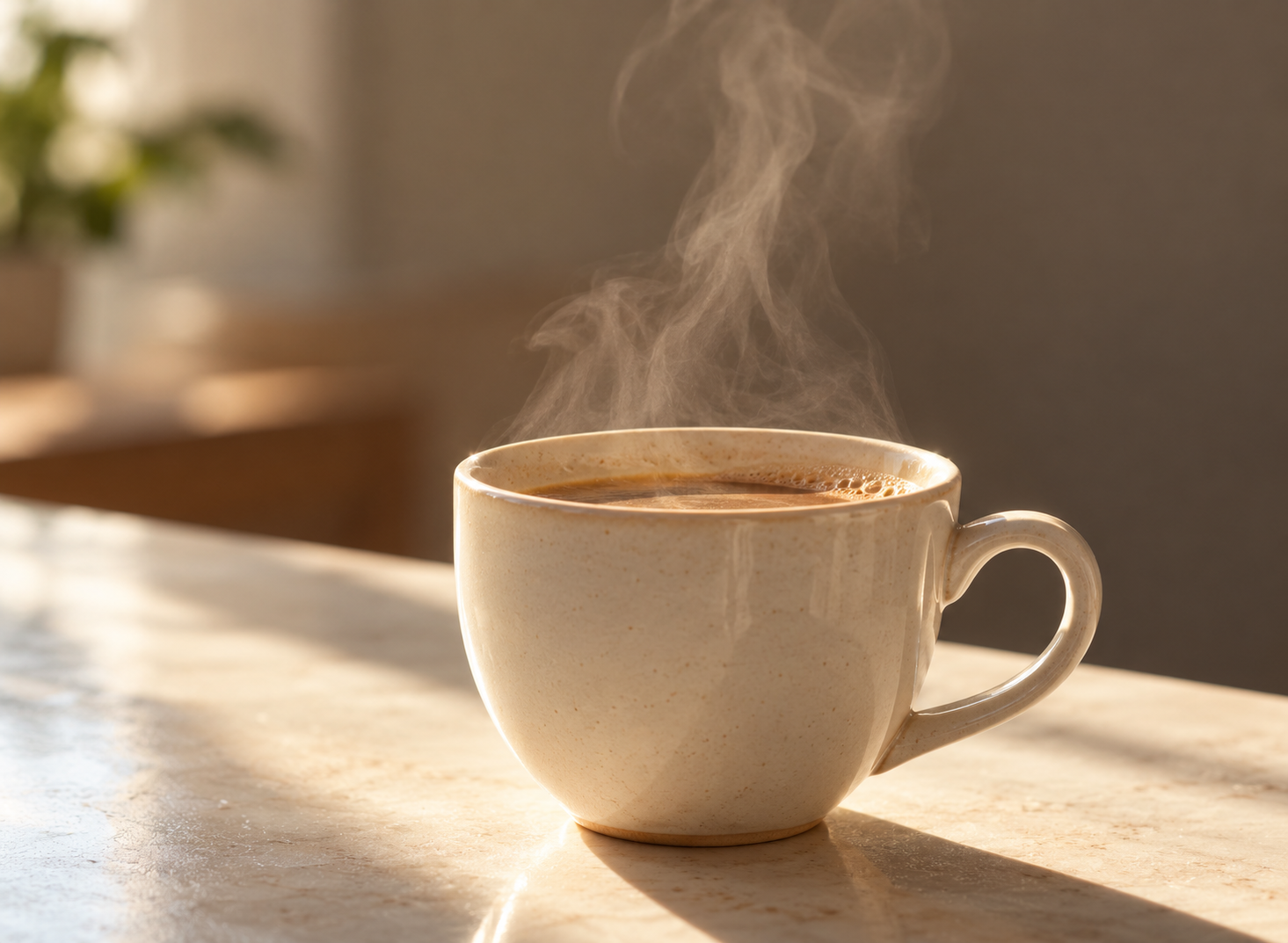
Hot beverages are commonly reported as rosacea triggers, particularly for people who experience flushing. The warmth itself may contribute to the response.
However, that doesn't mean caffeine automatically makes rosacea worse.
So before giving up your favorite morning ritual, consider whether the temperature might be more relevant than the coffee itself.
If you consistently flush while drinking something steaming hot, letting it cool before drinking may be worth trying.
And if your skin doesn't react to coffee at all? There's no reason to assume it's a problem simply because it appears on a list of possible triggers.
2. Your Shower Might Be Hotter Than Your Skin Likes
There's something undeniably satisfying about a long, hot shower.
Your rosacea, however, may have a different opinion.
Heat is a commonly reported rosacea trigger, and hot showers, baths, and saunas can all expose your skin to temperatures that may encourage flushing.
You might notice that your face looks particularly red immediately after showering, even when you haven't used any new skincare products.
It's easy to blame your cleanser or moisturizer when the real contributing factor may be the water temperature.
If this sounds familiar, experimenting with comfortably warm rather than very hot water may help you determine whether heat plays a role.
The goal isn't to turn every shower into an ice bath. It's simply to recognize that temperature can matter.
3. The Weather Can Trigger More Than You Think
Most people associate rosacea with sun exposure, and for good reason.
Sunlight is one of the most frequently reported rosacea triggers, making daily sun protection especially important.
But the weather doesn't stop affecting your skin when the sun disappears.
Wind, cold temperatures, and excessive heat can also aggravate symptoms in some people.
Think about how your face feels after spending time outside on a freezing, windy day. Or how quickly your cheeks turn red when you walk into a heated building afterward.
Those environmental changes can be particularly noticeable for people whose skin is already prone to flushing.
This is why rosacea symptoms sometimes seem to change with the seasons, even when your skincare routine stays exactly the same.
Protecting your skin from harsh conditions, using appropriate moisturizers, and maintaining consistent sun protection may help make environmental triggers easier to manage.
4. Your Workout Isn't the Problem—But Overheating Might Be
Exercise has important health benefits, so a rosacea diagnosis shouldn't automatically mean giving up physical activity.
However, exercise is a commonly reported trigger, particularly when it raises body temperature and causes facial flushing.
That doesn't mean every workout will produce a flare.
Some people may notice symptoms after intense cardio but feel perfectly comfortable during a walk or a gentler workout.
Others may find that exercising in a cool environment makes a difference.
Rather than avoiding exercise, consider whether factors such as intensity, room temperature, or overheating seem to influence your skin.
The objective is to find a way to stay active while minimizing unnecessary discomfort.
5. Your Skincare Routine Might Be Doing Too Much
When your skin looks red or irritated, the instinct to add another product can be surprisingly strong.
A calming serum. An exfoliating toner. A new treatment promising smoother skin.
Before long, a routine intended to soothe your complexion has become a complicated collection of products.
For rosacea-prone skin, that can sometimes backfire.
Some people with rosacea experience increased skin sensitivity, and products containing fragrances or potentially irritating ingredients may cause stinging, burning, or additional redness.
Exfoliating acids, harsh cleansers, and certain active ingredients may also be difficult for some individuals to tolerate, depending on the formulation and how they're used.
This doesn't mean everyone with rosacea must avoid active skincare ingredients.
It means how your skin responds matters more than how popular a product is.
If your skin becomes uncomfortable after introducing several new products, simplifying your routine and reviewing what changed can help identify possible contributors.
A gentle cleanser, moisturizer, and appropriate sunscreen often provide a useful foundation, while additional treatments can be selected according to your skin's needs.
6. That Spicy Dinner Might Be Worth Investigating
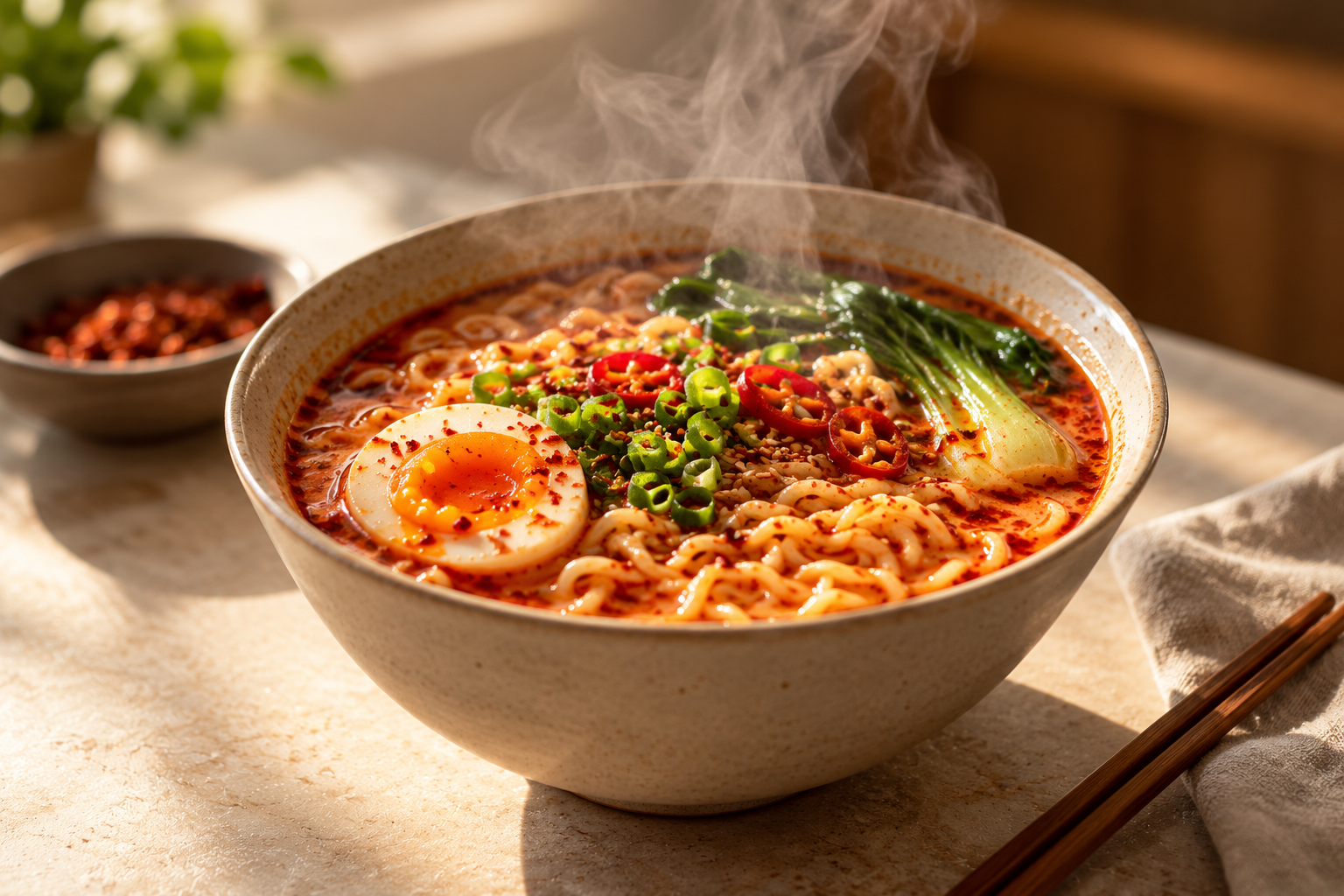
Spicy foods are among the better-known rosacea triggers, but the reason they can cause flushing is interesting.
For some people with rosacea, this may contribute to facial flushing.
But here's the important part: not everyone with rosacea reacts to spicy foods.
If you regularly eat spicy meals without noticing a change in your skin, there's no reason to automatically eliminate them.
On the other hand, if your face consistently becomes noticeably red after certain dishes, that pattern may be useful to recognize.
Rather than avoiding entire food categories based on someone else's experience, pay attention to what actually happens with your own skin.
7. Stress Can Show Up on Your Face
You've had a difficult meeting, your inbox is overflowing, and suddenly your cheeks feel warm.
Sound familiar?
Emotional stress is another frequently reported rosacea trigger.
Stress can influence physiological responses throughout the body, including changes in blood vessel activity and inflammatory signaling.
For people prone to facial flushing, stressful situations may make redness more noticeable.
That doesn't mean stress caused your rosacea, and it certainly doesn't mean every flare can be prevented by relaxing.
It simply means your skin may respond to more than the products you apply to it.
If stressful periods seem to coincide with worsening symptoms, recognizing that connection may help explain flares that otherwise appear unpredictable.
8. Some Foods Are Suspects, Not Proven Culprits
Chocolate. Cheese. Soy sauce. Certain dairy products.
If you've spent time searching for rosacea triggers online, you've probably encountered lists that include foods you never would have suspected.
Some of these foods have appeared in patient-reported trigger lists, but that doesn't mean they are proven triggers for everyone with rosacea.
Much of the information about dietary triggers comes from surveys, observational research, and individual experiences rather than controlled experiments showing that each food directly causes flares.
And that distinction matters.
A food appearing on a trigger list isn't the same as evidence that you personally need to avoid it.
Eliminating foods without a clear reason can make your diet unnecessarily restrictive without providing any meaningful skin benefit.
Instead, look for a consistent relationship between a particular food and your symptoms before making changes.
Your favorite dessert doesn't need to become the enemy based on a list you found online.
9. Certain Medications Can Contribute to Flushing
Not every episode of facial redness comes from food, weather, or skincare.
Some medications can cause flushing as a side effect, which may be particularly noticeable in someone who already has rosacea.
For example, niacin and certain medications that affect blood vessels can produce flushing in some individuals.
However, medication-related flushing isn't necessarily the same thing as a rosacea flare.
If your redness began or changed after starting a medication, that timing may be worth discussing with your healthcare provider.
Never stop or adjust a prescribed medication simply because you suspect it may be contributing to redness.
Your prescriber can help determine whether the medication is involved and whether any changes are appropriate.
10. Hormonal Changes May Complicate the Picture
Facial flushing isn't always caused by rosacea.
For someone who already has rosacea, that overlap can make it harder to determine what's behind a particular episode.
A sudden increase in flushing may not necessarily mean the underlying skin condition has become more severe.
This is one reason it's useful to tell your dermatologist about changes in your overall health, medications, and symptoms—not just the products you're putting on your face.
Understanding the full picture can help distinguish rosacea-related symptoms from other possible contributors.
How Do You Actually Figure Out Your Rosacea Triggers?
Here's where things get practical.
You don't need to eliminate every possible trigger or spend your days worrying about what might make your face red.
Instead, try paying attention to what happens before a flare.
For a few weeks, make a quick note whenever your symptoms become more noticeable.
Consider the weather, recent meals, exercise, emotional stress, shower temperature, and any new skincare products.
You don't need a complicated tracking system. A few notes on your phone may be enough.
The important thing is to look for patterns rather than isolated coincidences.
One episode of redness after eating chocolate doesn't necessarily mean chocolate is a trigger.
But if a similar reaction happens repeatedly under comparable circumstances, it may be worth exploring.
Remember that several potential triggers can occur together. A hot drink on a stressful morning or a workout in a warm room can make it difficult to identify one specific cause.
The purpose of tracking isn't to create a longer list of restrictions.
It's to learn which factors seem relevant to your skin so you can make informed decisions.
What If You're Avoiding Triggers but Still Having Flares?
Even when you've identified your triggers, rosacea may still require treatment.
That's because trigger management and medical treatment serve different purposes.
Avoiding a trigger may help reduce certain flare-ups, but it doesn't necessarily address persistent redness, inflammatory bumps, or other features of rosacea.
And not everyone experiences the condition in the same way.
Some people are primarily concerned about flushing. Others experience persistent redness, visible blood vessels, acne-like bumps, or significant skin sensitivity.
Depending on your presentation, a dermatologist may recommend changes to your skincare routine, prescription treatment, or other appropriate options.
In some situations, a personalized compounded prescription may also be considered when the dermatologist determines that an individualized formulation is appropriate.
Compounding isn't automatically superior to commercially available medication, but it can offer additional flexibility when a patient's treatment needs warrant it.
How Telederm Can Help
At Telederm, board-certified dermatologists evaluate your skin concerns, symptoms, medical history, and photographs to help determine an appropriate treatment approach.
For people experiencing rosacea, that may include reviewing previous treatments, identifying concerns that need medical attention, and considering prescription options when appropriate.
Because rosacea doesn't look or behave exactly the same way for everyone, treatment decisions should reflect the individual rather than a one-size-fits-all routine.
The Bottom Line
Rosacea triggers aren't always obvious.
Sometimes it's the hot coffee you drink every morning. Sometimes it's the weather, an intense workout, or a skincare product that doesn't agree with your skin.
And sometimes, a flare happens without one clear explanation.
The goal isn't to avoid everything that might possibly cause redness.
It's to understand your own patterns, recognize what seems to make a difference, and know when managing triggers alone isn't enough.
Because living with rosacea shouldn't mean spending every day trying to avoid the world around you.
This article is for informational purposes only and does not constitute medical advice. Individual results vary. Treatment decisions should be made in consultation with a licensed healthcare provider. Compounded medications are not FDA-approved.
Telederm Clinical Team, MD | RPh | PharmD | FAAD
Dermatology & Clinical Content Team · Telederm.me
A board-certified dermatologist can treat your rosacea — start today.
$45 per medical visit: a board-certified dermatologist reviews your skin and builds a custom prescription plan.
Keep reading.
All in Rosacea →
Rosacea vs Acne: How Can You Tell the Difference?
Redness. Bumps. Sensitive skin. Breakouts that don't seem to go away. If you've been trying to figure out whether you're dealing with acne, rosacea, or...
Telederm Clinical Team · Aug 4, 2026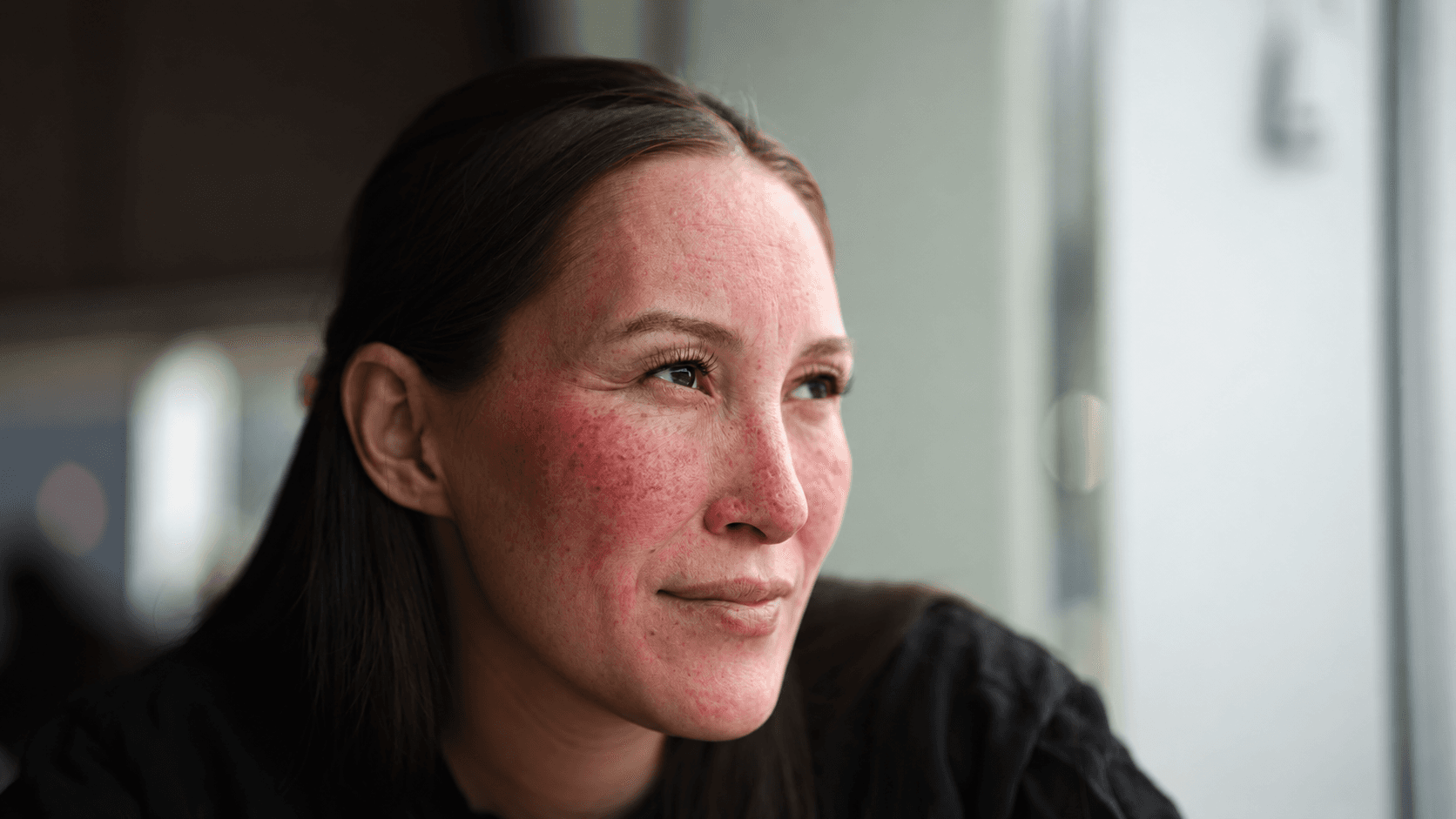
When It’s Not Acne: Understanding Rosacea
Rosacea and acne can look surprisingly similar, but treating the wrong condition can mean months or even years of frustration. Learn what sets rosacea apart, why it’s often mistaken for other skin conditions, and how the right diagnosis can change the treatment approach.
Telederm Clinical Team · Sep 30, 2026
Not All Warts Are the Same: A Surprisingly Interesting Guide to Warts
Warts are more interesting than they get credit for. From common and plantar warts to flat and filiform varieties, learn what causes them, why they look so different, how they spread, and a few facts you probably didn’t know.
Telederm Clinical Team · Sep 23, 2026
Itchy Feet? Fungus Isn’t the Only Suspect
Fungus may be the first thing that comes to mind when your feet start itching, but it isn’t the only possibility. From eczema and contact dermatitis to bacterial infections, several conditions can leave feet itchy, peeling, or irritated.
Telederm Clinical Team · Sep 22, 2026