
Why Your Skincare Pills (And How to Stop It)
Ever notice tiny balls forming when you layer your skincare? The problem may be how your products interact. Explore the science behind skincare pilling, which ingredients to look for, and simple ways to prevent it.
 Written byTelederm Clinical Team, MD | RPh | PharmD | FAAD: Heba Mannaa RPHDermatology & Clinical Content Team
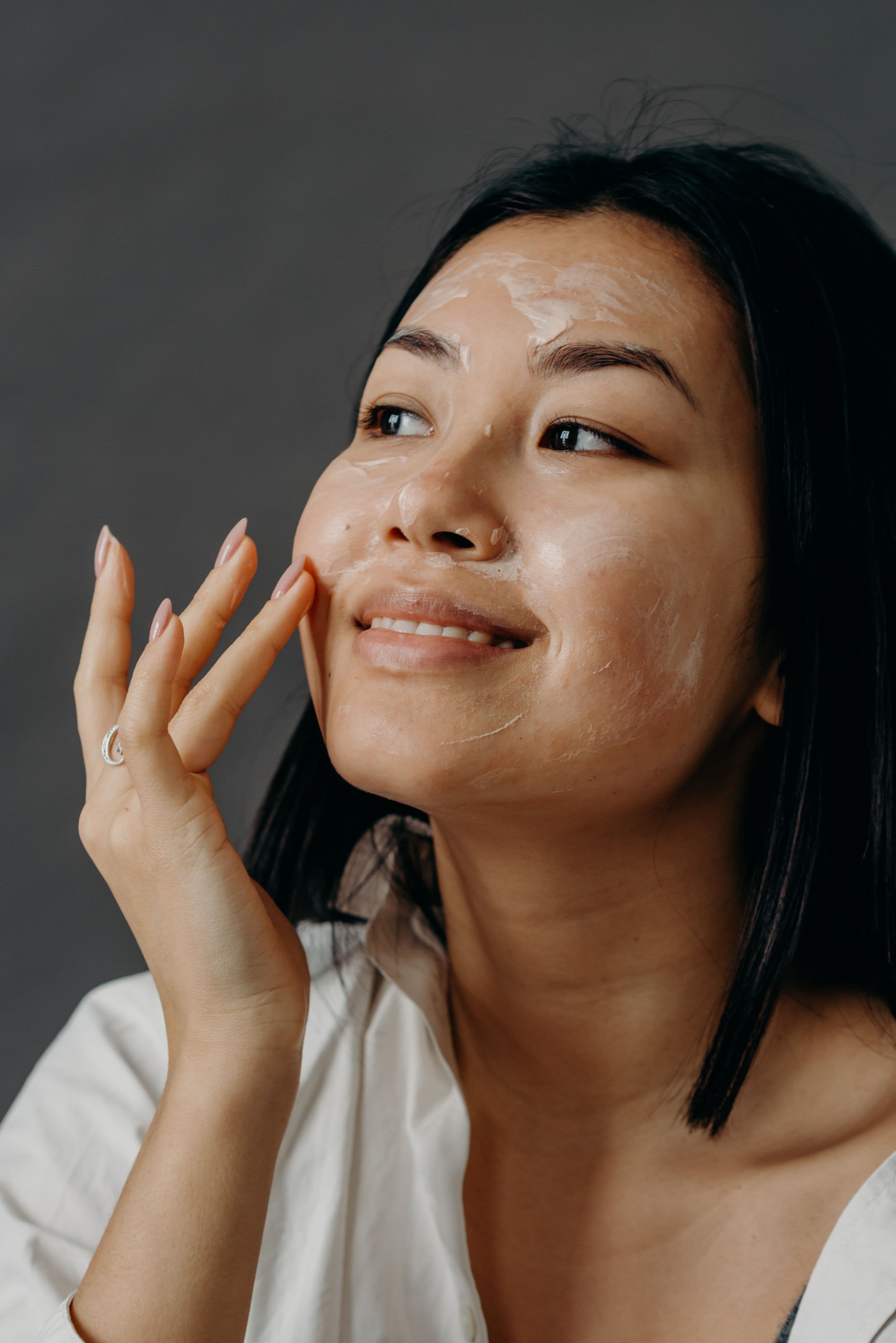
You've applied your serum, followed with moisturizer, and you're just about ready to finish your routine. Then, as you smooth on your sunscreen, something strange happens.
Tiny little balls start forming across your skin.
You try rubbing them away, but somehow that only makes things worse.
This frustrating phenomenon is called skincare pilling, and it can happen even when you're using high-quality products and following their instructions.
The surprising part? Sometimes the problem isn't any individual product. It's how the products interact with one another.
Understanding a little about skincare formulation, ingredient lists, and layering can help you figure out what's happening and how to prevent it.
What Is Skincare Pilling?
Skincare pilling happens when material from products applied to the skin begins to clump, roll, or collect into small particles, often during application or rubbing.
You might notice tiny white flakes, translucent balls, or residue that resembles eraser shavings. It can happen immediately after applying a product or later when you add another layer.
Pilling is especially noticeable when applying sunscreen, moisturizer, or makeup over an existing skincare routine.
The material rolling off your skin may contain ingredients from one product or a combination of several products. It isn't necessarily a sign that the products are poor quality.
In many cases, the explanation comes down to how a formulation behaves once it's spread across the skin.
The Science Behind Skincare Pilling
A skincare product isn't simply a collection of ingredients mixed together. It's a carefully designed formulation.
A cream, for example, may contain water, oils, emulsifiers, humectants, thickeners, and other ingredients that work together to create a particular texture and application experience.
When you spread that cream across your skin, its components don't all behave the same way.
Some ingredients are absorbed into the outer layers of the skin. Others remain primarily on the surface, where they help retain moisture, create a protective layer, or influence how the product feels.
As water or other volatile components evaporate, the material remaining on the skin may become more concentrated or form a film.
Now imagine applying another product over that film.
Depending on the formulations involved, the second product may spread smoothly, disturb the existing layer, or contribute additional material that collects when rubbed.
When the combined residue loses its ability to remain evenly distributed across the skin, it can begin rolling into visible particles.
This is one possible explanation for pilling, although the exact mechanism depends on the products involved. There isn't a single chemical reaction responsible for every instance of skincare pilling.
Why Your Skincare Ingredients Matter
If your products keep pilling, their ingredient lists can offer useful clues.
Most skincare labels list ingredients using their standardized cosmetic ingredient names, often referred to as INCI names.
In the United States, cosmetic ingredients are generally listed in descending order of predominance, with certain exceptions for ingredients present at concentrations of 1% or less and color additives.
That means the first several ingredients can provide a general sense of a product's composition.
However, an ingredient list won't tell you everything.
It doesn't reveal the exact concentration of every ingredient, how the formula was manufactured, or how its components behave together after application.
Two products containing similar ingredients can have completely different textures and layering characteristics.
Still, recognizing a few common ingredient categories can make troubleshooting easier.
Water and Water-Rich Formulations
If you see Aqua or Water near the beginning of an ingredient list, water makes up a significant part of the formula.
Many serums, lotions, gels, and creams contain substantial amounts of water.
But a water-rich product isn't necessarily lightweight, and the presence of water doesn't tell you whether it will layer well with another product.
A water-based gel containing several thickening or film-forming ingredients may behave very differently from a simple hydrating serum.
The full formulation matters more than the word water alone.
Silicones
Silicones are common in skincare because they can improve spreadability, reduce friction, and create a smooth application experience.
One recognizable example is dimethicone.
Other silicone-related ingredients may include cyclopentasiloxane and dimethicone crosspolymers.
Depending on the specific material and formulation, silicones can contribute to slip, texture, water resistance, or the formation of a film on the skin.
Some silicone-containing products layer beautifully. Others may pill when combined with particular products or rubbed repeatedly.
It's tempting to blame silicones whenever pilling occurs, but that would be an oversimplification.
A silicone's presence on an ingredient list doesn't automatically predict whether a product will pill.
Film-Forming Polymers and Thickeners
This is where skincare formulation gets especially interesting.
Many products contain polymers that help control viscosity, stabilize a formulation, or create a film after application.
You might recognize names such as:
Carbomer
Acrylates Copolymer
Acrylates/C10-30 Alkyl Acrylate Crosspolymer
Polyvinylpyrrolidone (PVP)
These ingredients don't all perform the same function, but they can influence how a product spreads, thickens, adheres, or behaves as it dries.
In some formulations, polymer-rich residue may become more noticeable when another product is layered over it or when the skin is repeatedly rubbed.
That doesn't mean these ingredients should be avoided. They're useful formulation tools.
It simply means that how a product forms and maintains its texture can influence its tendency to pill.
Oils, Waxes, and Occlusive Ingredients
Ingredients such as mineral oil, petrolatum, plant oils, and certain waxes can influence how a product spreads and what remains on the skin after application.
Some help soften the skin, while others reduce moisture loss by forming a more persistent surface layer.
These ingredients aren't inherently incompatible with water-based skincare.
In fact, many well-formulated moisturizers intentionally combine water and oil-based components using emulsifiers.
The challenge can arise when separate products are layered in ways that interfere with how each one spreads or settles.
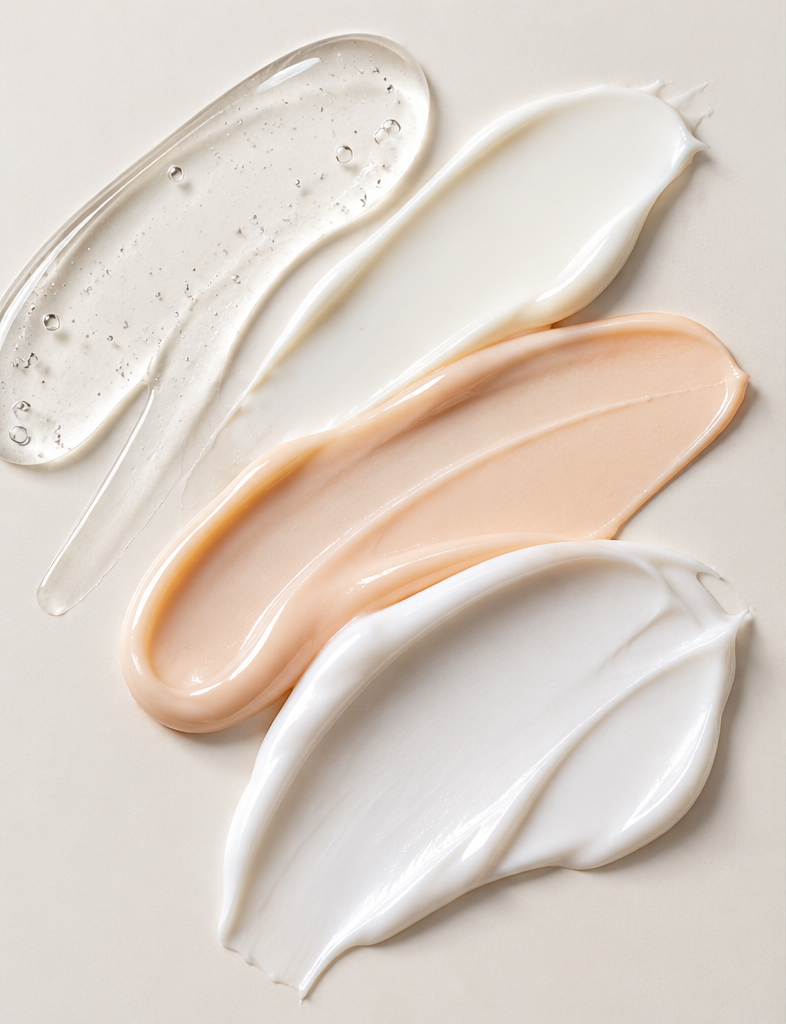
When Water-Based and Oil-Based Products Meet
You've probably heard the advice to apply water-based skincare before oil-based products.
There's a practical reason behind that recommendation, although the chemistry is more complicated than simply saying water and oil don't mix.
Imagine applying a rich, oil-heavy balm and then trying to spread a lightweight, water-rich gel over it.
The balm may leave a persistent layer on the skin that changes how the gel spreads or makes contact with the surface.
Depending on the products, the gel may distribute unevenly, slide across the existing layer, or become more difficult to work into a smooth film.
If the routine also includes thickening polymers or other film-forming materials, repeated rubbing may encourage residue to collect.
But this doesn't mean applying water-based products after oil-based products will always cause pilling.
Many formulations are designed to work with both water-loving and oil-loving ingredients.
The important distinction is between the ingredients inside a finished formulation and the behavior of two separately formulated products when layered together.
The first may be carefully engineered to remain stable. The second hasn't necessarily been tested for compatibility.
That's why two individually excellent products don't always work well together.
Does the Order of Your Skincare Products Matter?
It can.
The familiar recommendation to apply lighter products before heavier ones is a useful starting point for many routines.
For example, a lightweight hydrating serum may spread more easily when applied before a rich moisturizer rather than over an already established occlusive layer.
However, texture alone doesn't tell the entire story.
A thin gel may contain film-forming polymers, while a thicker cream may spread smoothly over other products.
Application order is therefore a practical guideline, not a universal chemical rule.
If you're consistently experiencing pilling, consider whether a particular product behaves differently when applied earlier or later in your routine.
Just remember that prescription medications and sunscreen have their own application instructions. Those should take priority over general skincare layering advice.
For more guidance on building a routine, check out our Simple Skincare Routine guide.
Other Reasons Your Skincare Might Be Pilling
Sometimes the ingredient combination isn't the only issue.
You're Applying More Product Than Necessary
Applying a thick layer of serum or moisturizer can leave excess material on the surface.
When additional products are layered over it, that buildup may be more likely to roll into visible residue.
Using an appropriate amount for each product can help minimize unnecessary buildup.
However, this doesn't mean reducing the recommended amount of sunscreen or changing the prescribed dose of a medication.
You're Rubbing Too Much
Repeated rubbing creates friction.
If a product has already formed a film or begun to dry, continued rubbing can disturb that layer and encourage it to collect into small particles.
Sometimes the difference between a smooth application and visible pilling is simply how much the product is manipulated after it's spread.
You're Layering Too Many Products
Every additional layer introduces more ingredients and another formulation into the routine.
A cleanser, toner, essence, serum, moisturizer, primer, sunscreen, and foundation may all be individually well formulated.
But their combined behavior isn't necessarily predictable.
Simplifying the routine can make it easier to identify which combination is responsible for the pilling.
You're Not Giving Products Time to Settle
Some formulations need time for water or volatile ingredients to evaporate and for the remaining material to settle into an even layer.
Immediately applying another product can sometimes disturb that process.
Allowing a product to settle before adding the next layer may help, although there's no scientifically established waiting period that works for every skincare formula.
And waiting longer won't necessarily fix products that simply don't layer well together.
How to Stop Skincare From Pilling
If your routine has turned into a collection of tiny product flakes, the best approach is to troubleshoot it systematically.
Start with fewer products.
Try identifying which products layer comfortably on their own before rebuilding a more complicated routine.
Look for patterns.
Does pilling only happen when you use a particular serum? Does it appear after moisturizer but before sunscreen? Does it happen only when makeup is added?
The point at which pilling begins can provide useful clues.
Examine the ingredient lists.
Look for recurring film-forming polymers, silicone-rich formulations, or particularly rich occlusive products.
These aren't ingredients you necessarily need to eliminate. You're looking for possible explanations for how the products behave together.
Experiment with application technique.
For nonprescription skincare products, using appropriate amounts, spreading gently, and allowing layers to settle may help.
Consider the formulation, not just the ingredient.
Sometimes switching from one gel to another gel, or from a rich cream to a lighter lotion, makes a difference even when the products contain similar active ingredients.
That's because a product's behavior depends on its complete formulation, not just the ingredient highlighted on the front of the package.
Why Sunscreen Pilling Deserves Special Attention
Sunscreen can be particularly frustrating when it pills because it is often applied after several other skincare products.
Many sunscreens are formulated to create a relatively uniform protective layer on the skin. Depending on the product, this may involve film-forming ingredients, water-resistant components, and other materials that influence how the sunscreen spreads and remains in place.
If a sunscreen pills when layered over a serum or moisturizer, the problem may involve the sunscreen itself, the products underneath, or the interaction between them.
This matters because sunscreen protection depends on applying the product as directed and maintaining appropriate coverage.
Using less sunscreen to avoid pilling is not a good solution.
Instead, consider simplifying the products underneath it, allowing preceding layers to settle, or choosing a sunscreen formulation that works more comfortably with your routine.
If your sunscreen repeatedly rolls off or cannot be applied evenly, it's worth finding a more compatible combination rather than accepting uneven coverage.
What If Your Prescription Cream Pills?
Prescription topical medications are also formulated with ingredients that affect texture, spreadability, stability, and delivery. A medication might be supplied as a cream, gel, lotion, ointment, or another vehicle. While the active ingredient is important, the vehicle plays a significant role in how the product feels and behaves on the skin.
A gel may feel lightweight yet contain polymers that influence how it layers with other products. An ointment may leave a more persistent surface layer, while creams can vary substantially depending on their emulsifiers, oils, and other ingredients. Even products containing similar active ingredients may behave differently because of their overall formulations.
If your prescription product repeatedly pills, it doesn't necessarily mean the medication isn't working or that you should apply more. Rather than changing the prescribed amount, frequency, or application instructions, discuss the issue with your dermatologist or pharmacist. They can help assess whether your application routine or the product's formulation may be contributing to the problem.
Ultimately, preventing skincare pilling isn't always about finding better ingredients. Sometimes it's about understanding how the products you already use interact with one another and finding a combination that works comfortably together.
Telederm Clinical Team, MD | RPh | PharmD | FAAD
Dermatology & Clinical Content Team · Telederm.me
Keep reading.
All in Treatment Insights →
Myth #4: Pores Can Open and Close
Pores can look more noticeable for plenty of reasons. This post breaks down the myth and explains what actually changes the way they look.
Telederm Clinical Team · Sep 21, 2026
Simple Skincare Routine: Are You Using Too Many Products?
If your skincare shelf seems to keep growing while your skin still feels unpredictable, you’re definitely not the only one experiencing this. Many people start...
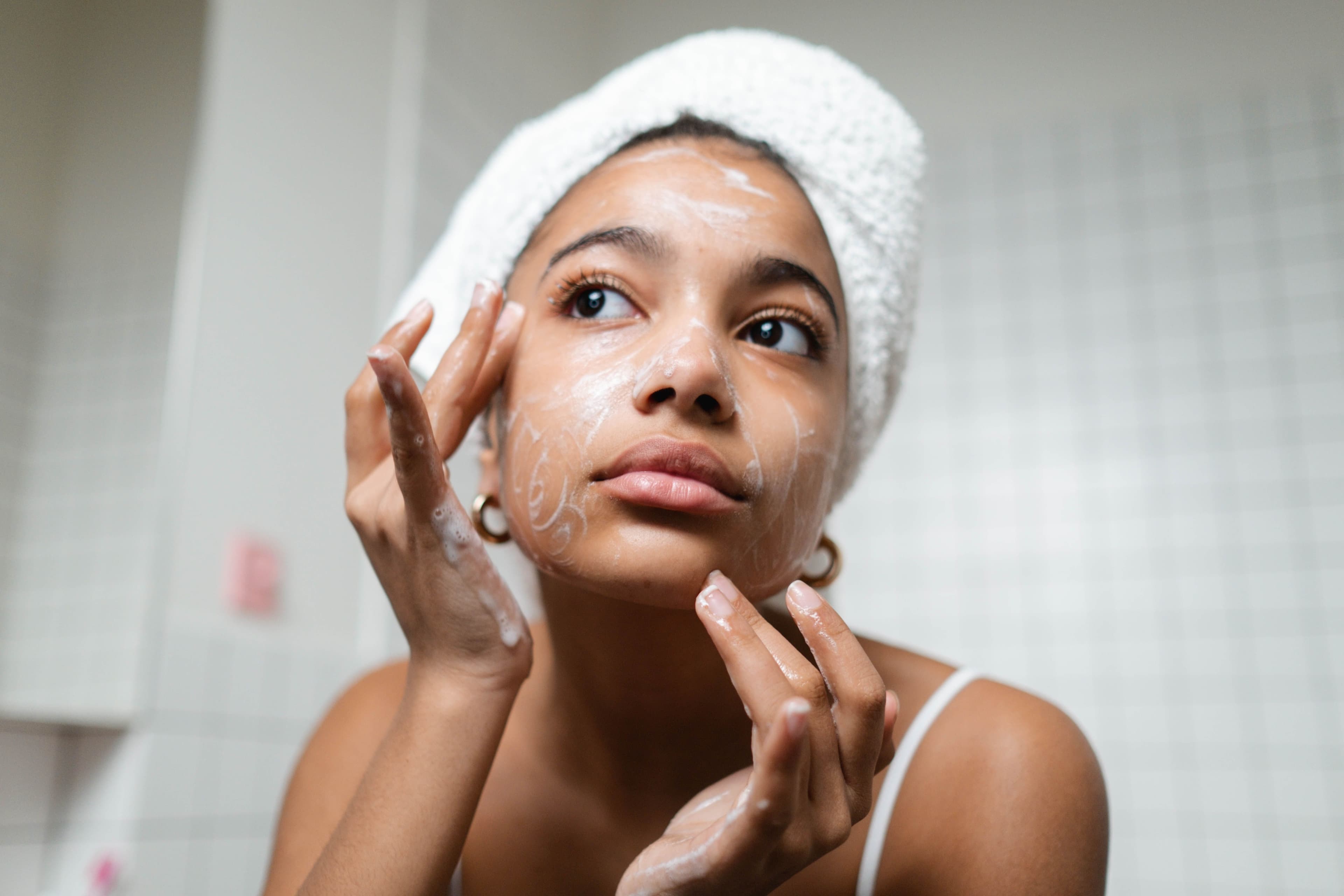
Skin Barrier Repair: Signs Your Skin Needs Support
If your skin suddenly feels dry, tight, or irritated, your skin barrier may need extra support. Learn what affects the skin barrier and discover simple habits that may help restore healthier-looking skin.
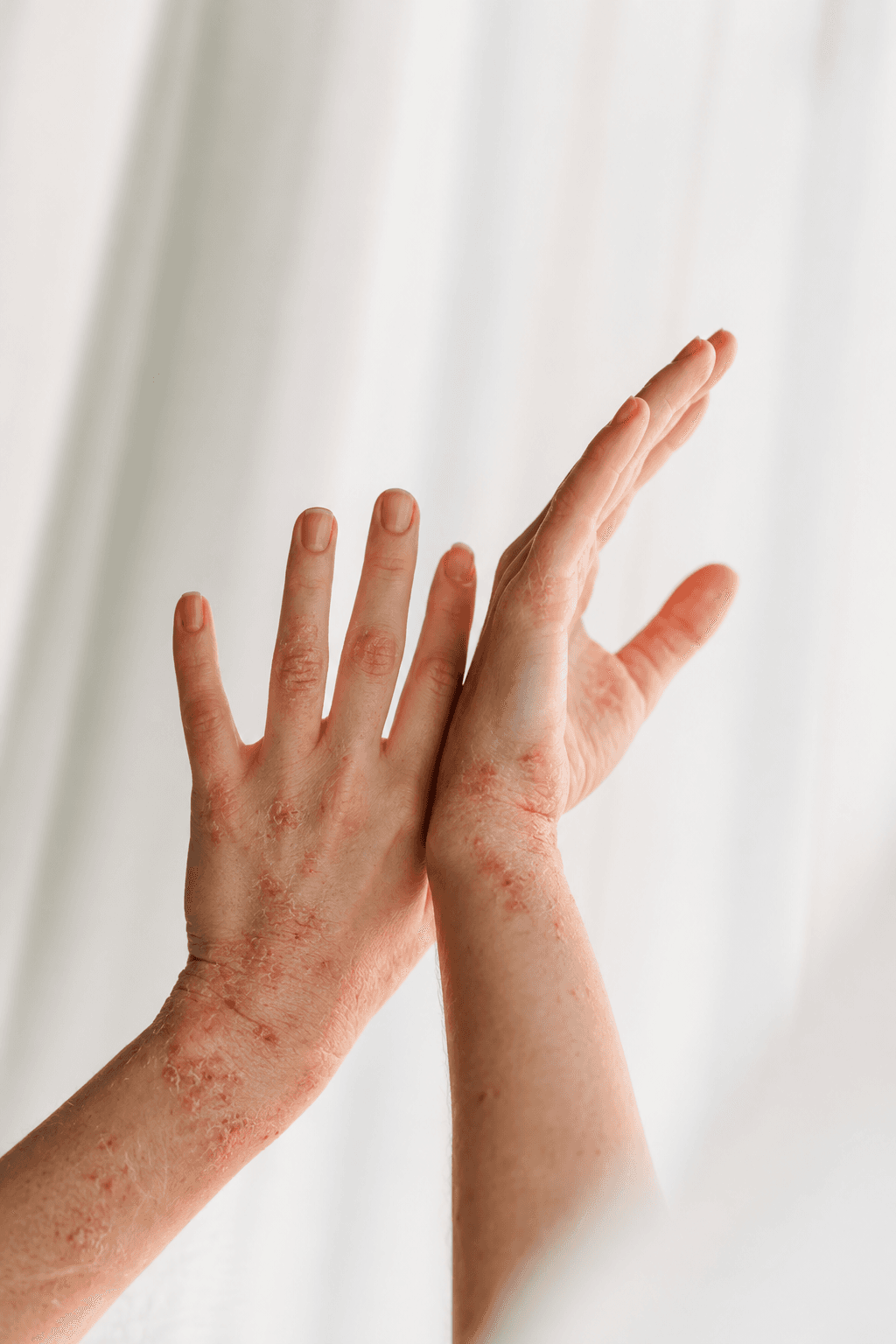
Understanding the Eczema Cycle
Eczema doesn’t always follow a straight path. A flare may improve or even clear with treatment, only to return later. Understanding the cycle from triggers and treatment to clearer skin and maintenance can make eczema easier to manage over time.
Telederm Clinical Team · Sep 21, 2026