
Does Minoxidil Have to Be Forever?
If you've been avoiding minoxidil because you don't want to be on it forever, the answer may be more nuanced than you think. Here's what a board-certified dermatologist actually says about long-term use.
Introduction
One of the most common reasons people hesitate to start minoxidil is a belief that has become deeply ingrained in online conversations about hair loss: "Once you start, you have to take it for the rest of your life."
This assumption stops many people from seeking treatment altogether — often at a point when early intervention would have been most effective.
The reality is more nuanced. Whether minoxidil needs to be used long-term depends on the type of hair loss, the treatment goal, and how an individual responds. Understanding the distinction can help patients make more informed decisions about their care.
What Is Minoxidil and How Does It Work?
Minoxidil is a vasodilator that was originally developed as an oral antihypertensive medication. During clinical trials, a notable side effect was observed — patients experienced increased hair growth. This discovery led to the development of topical minoxidil, now available in both over-the-counter and compounded prescription formulations.[1]
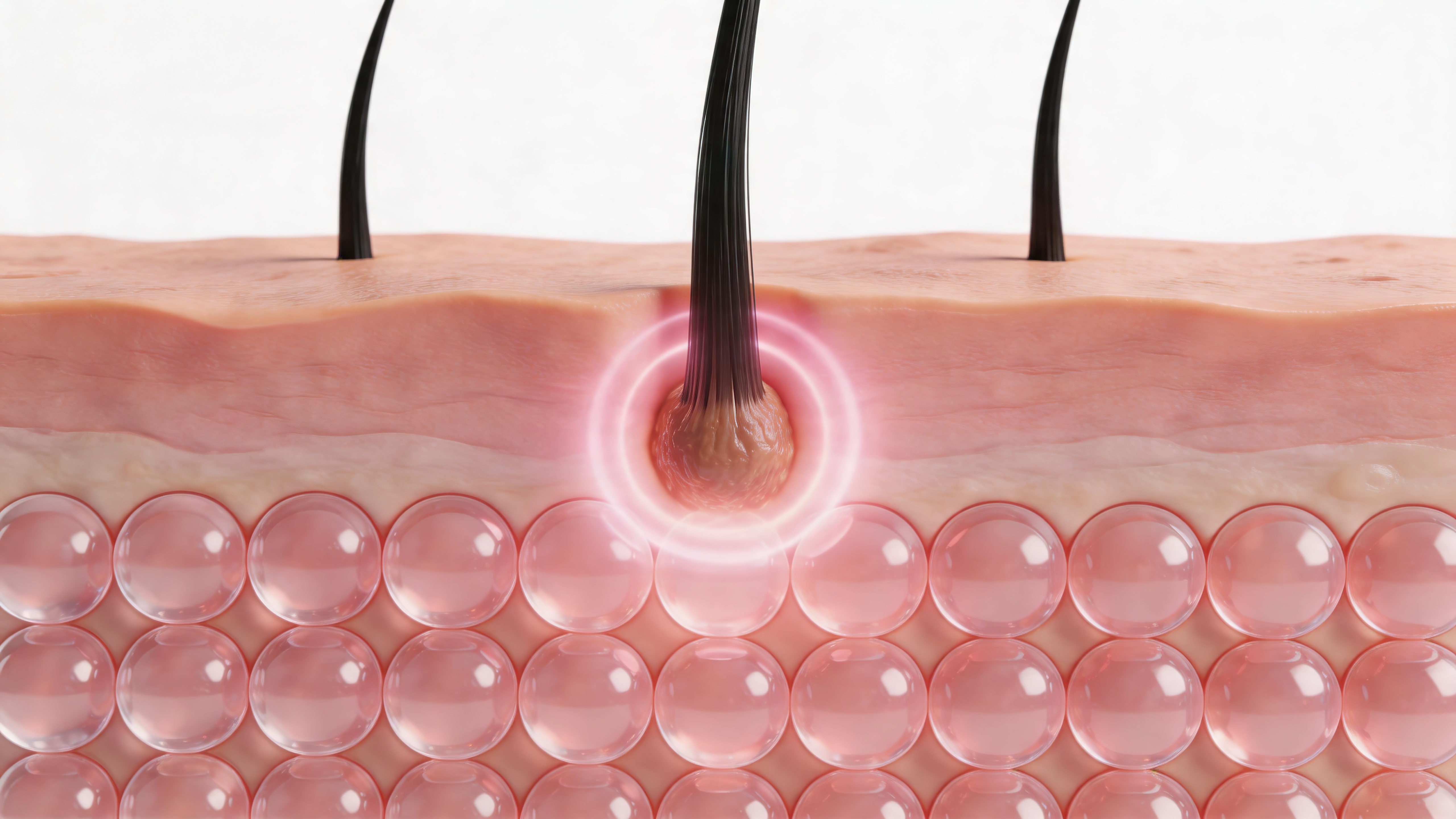
Topically applied, minoxidil works by:
• Prolonging the anagen (active growth) phase of the hair follicle
• Shortening the telogen (resting) phase
• Increasing blood flow and nutrient delivery to the follicular unit
• Stimulating follicular stem cells to re-enter the growth cycle
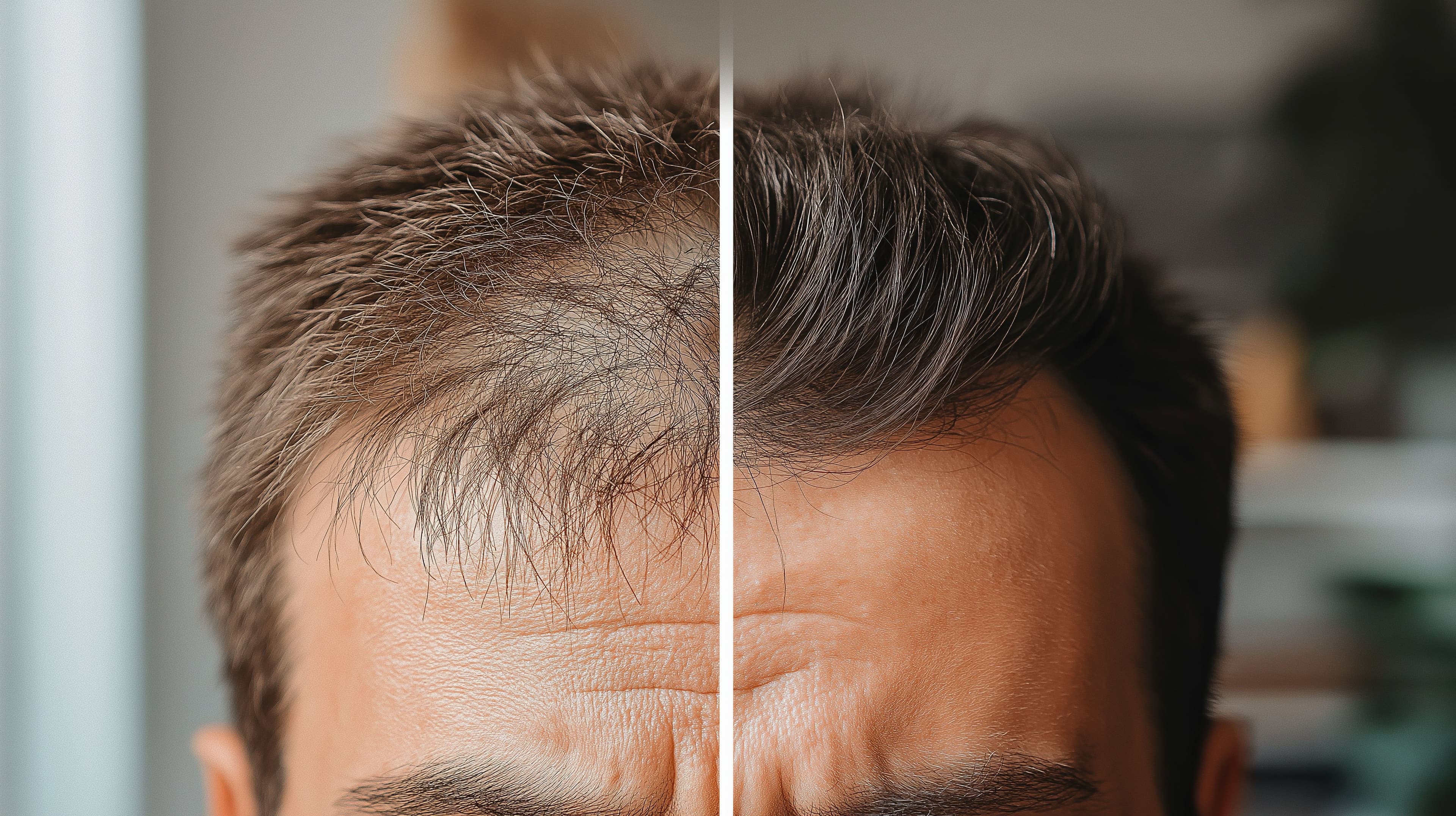
The result may be that dormant or miniaturized follicles — those that have been shrinking due to androgenetic or hormonal influences — are shifted back into an active growth state, which can produce thicker, and more visible hair strands over time in most patients.[2]
The "Forever" Misconception — Where It Comes From
The idea that minoxidil must be used permanently originated from observations in patients with chronic androgenetic alopecia (pattern hair loss), where the underlying hormonal cause — dihydrotestosterone (DHT) mediated follicular miniaturization — continues regardless of treatment.
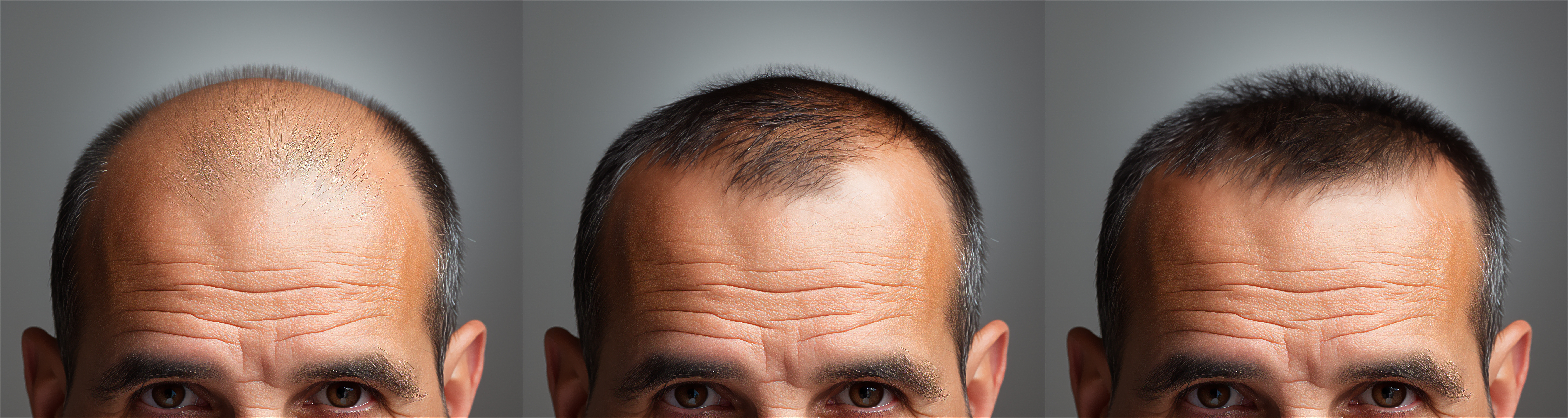
In these cases, minoxidil manages the condition rather than resolving the root cause. In many cases, discontinuing treatment may result in a gradual return toward the pre-treatment hair loss pattern, often within three to six months, as the follicles re-enter the telogen phase.[3] It is worth noting that this is true for all medications used to treat androgenetic alopecia — not just minoxidil. Whether finasteride, spironolactone, or any other agent in this category, the underlying hormonal process continues independently of treatment, and discontinuation of any of these medications carries a similar risk of gradual hair loss resumption.
However, this does not apply universally to all patients or all types of hair loss.
Short-Term Use vs Long-Term Use — Understanding the Difference
The key distinction lies in the type and cause of hair loss being treated.
When long-term use is typically indicated:
• Androgenetic alopecia (male or female pattern hair loss) — an ongoing, genetically driven condition where DHT continues to miniaturize follicles over time
• Chronic telogen effluvium with an unresolved underlying trigger
• Any condition where hair loss is progressive and the underlying cause cannot be fully addressed
In these cases, minoxidil functions as a continuous intervention. Stopping treatment removes the stimulus that maintains the growth cycle, and shedding will gradually resume.
When shorter-term use may be appropriate:
• Telogen effluvium triggered by a temporary stressor such as illness, surgery, significant weight loss, nutritional deficiency, or postpartum changes
• Hair loss associated with a resolved hormonal imbalance
• Early-stage hair thinning where the goal is to restore fill and density to a satisfactory baseline before tapering
In these situations, a clinician may recommend minoxidil for a defined treatment period. Once meaningful regrowth and density have been achieved and the underlying trigger has been resolved, the medication may be tapered under medical supervision — with the hair-to-resting ratio gradually readjusting, typically settling near a 90/10 anagen-to-telogen ratio, which is considered normal distribution.[4]
It is important to note, however, that even in shorter-term use scenarios, stopping minoxidil will likely result in a gradual loss of the new growth gained during treatment over time. This does not mean long-term use is always required — but patients should be aware that the regrowth achieved is not necessarily permanent once the medication is discontinued, and this is an important factor to discuss with your dermatologist when deciding on a treatment plan.
Compounded Minoxidil Formulations — Why They Matter
Standard over-the-counter minoxidil comes in fixed concentrations — typically 2% or 5% — in a limited number of vehicles. Compounded formulations allow clinicians to customize both the active ingredient concentration and the delivery vehicle to better match a patient's specific hair loss pattern, scalp condition, and tolerability.
At Telederm, our dermatologists prescribe compounded topical solutions and oral capsules based on individual clinical assessment. The following are examples of formulations used by many dermatologists:
• Finasteride 0.1% / Minoxidil 5% Topical Solution
A dual-mechanism approach combining a 5-alpha reductase inhibitor (finasteride) with a follicular growth stimulant (minoxidil). Topical finasteride at 0.1% reduces local DHT conversion at the scalp level while minimizing systemic absorption compared to oral finasteride. This combination addresses both the hormonal cause of androgenetic alopecia and the follicular stimulation needed to promote regrowth.
• Finasteride 0.1% / Minoxidil 7% / Tretinoin 0.025% Topical Solution
Adding tretinoin to the formulation enhances minoxidil absorption through the stratum corneum. Tretinoin has been shown to upregulate follicular sulfotransferase enzymes, which convert minoxidil into its active metabolite (minoxidil sulfate), thereby improving overall efficacy — particularly in non-responders.[5]
• Finasteride 0.1% / Minoxidil 7% / Tretinoin 0.0125% Topical Solution
A lower tretinoin concentration option for patients with scalp sensitivity, while still benefiting from enhanced absorption and sulfotransferase upregulation.
• Finasteride 0.1% / Minoxidil 10% / Tretinoin 0.025% Topical Solution
A higher-concentration minoxidil formulation for patients with more advanced androgenetic alopecia or those who have shown a partial but insufficient response to lower concentrations.
• Caffeine 0.005% / Cetirizine 1% / Finasteride 0.1% / Ketoconazole 2% / Minoxidil 10% Topical Solution
A multi-ingredient formula addressing several mechanisms simultaneously. Ketoconazole has demonstrated anti-androgenic properties at the scalp level by partially inhibiting 5-alpha reductase and reducing DHT locally.[6] Cetirizine has shown preliminary evidence of inhibiting prostaglandin D2 — a mediator associated with follicular regression in androgenetic alopecia. Caffeine has been studied for its ability to stimulate hair follicle metabolism and counteract testosterone-mediated suppression of follicular growth.
• Minoxidil 0.25mg Oral Capsule
A very low-dose oral minoxidil option for patients who are sensitive to topical applications or prefer systemic delivery at a minimal dose. Low-dose oral minoxidil (LDOM) has gained significant clinical attention for its favorable safety and tolerability profile in both male and female pattern hair loss.[7] Low-dose oral minoxidil has been evaluated in an international modified Delphi consensus statement published in JAMA Dermatology involving 43 hair loss specialists across 12 countries.
• Minoxidil 0.625mg Oral Capsule
A slightly higher oral dose used when the 0.25mg dose provides insufficient response. Still considered a low-dose systemic option with a lower side effect profile compared to doses originally used for hypertension.[8]
• Minoxidil 0.25mg / Spironolactone 25mg Oral Capsule
A combined oral formulation pairing low-dose minoxidil with spironolactone, an anti-androgen agent used in female patients with hormonal hair loss. Spironolactone works by blocking androgen receptors and reducing DHT-related follicular miniaturization, while minoxidil simultaneously stimulates follicular growth. Particularly useful in women with androgenetic alopecia or hair loss associated with hormonal imbalance or PCOS.
• Minoxidil 10% Topical Solution
A high-concentration standalone minoxidil solution for patients who require a stronger follicular stimulus without the addition of finasteride or other agents.
• Minoxidil 7% / Spironolactone 0.5% / Tretinoin 0.0125% Topical Solution
A triple-combination topical designed for female patients with androgenetic or hormonal hair loss. Topical spironolactone provides localized anti-androgenic activity at the scalp without the systemic effects of oral spironolactone.[9]
• Hydrocortisone 1% / Minoxidil 5% / Tretinoin 0.025% Topical Solution
Incorporates a mild corticosteroid alongside minoxidil and tretinoin. The hydrocortisone component addresses scalp inflammation that may be contributing to or complicating hair loss, making this formulation suitable for patients with concurrent scalp dermatitis or inflammatory alopecia patterns.
• Caffeine 0.005% / Cetirizine 1% / Finasteride 0.1% / Ketoconazole 2% / Minoxidil 10% / Melatonin 0.05% / Zinc 1% / Spironolactone 0.08% Topical Solution
The most comprehensive multi-ingredient formulation in our formulary, targeting hair loss through eight simultaneous mechanisms:
• Minoxidil 10% — direct follicular growth stimulation
• Finasteride 0.1% — local DHT inhibition via 5-alpha reductase blockade
• Spironolactone 0.08% — additional topical anti-androgenic activity
• Ketoconazole 2% — anti-androgenic properties plus management of fungal and seborrheic components [6]
• Cetirizine 1% — prostaglandin D2 inhibition associated with follicular regression
• Caffeine 0.005% — stimulates follicular metabolism and counteracts testosterone-mediated suppression
• Melatonin 0.05% — antioxidant properties at the follicular level with preliminary evidence of stimulating anagen phase duration
• Zinc 1% — supports follicular health and plays a role in 5-alpha reductase inhibition
This formulation is typically reserved for patients with advanced androgenetic alopecia, complex hair loss patterns, or those who have not achieved satisfactory results with simpler formulations. A thorough clinical evaluation is essential before prescribing.
• Metformin 10% Topical Solution
Metformin, traditionally known as an oral diabetes medication, has demonstrated emerging evidence of benefits when applied topically to the scalp. It is thought to activate AMPK pathways in hair follicles, which may help reduce androgenic activity and support follicular health. This represents another example of off-label repurposing — where a well-established medication finds new clinical utility through a different route of administration. Evidence for topical metformin in hair loss remains preliminary and is an area of ongoing research.
• Metformin 10% / Melatonin 0.1% / Spironolactone 5% Topical Solution
A combination formulation targeting multiple pathways simultaneously — metabolic, antioxidant, and anti-androgenic. Melatonin at 0.1% provides antioxidant support at the follicular level and has shown preliminary evidence of prolonging the anagen phase. Spironolactone at 5% provides stronger localized anti-androgenic activity compared to lower concentrations, making this formulation suitable for patients with more significant hormonal contribution to hair loss.
Dos and Don'ts of Minoxidil Use
Do:
• Apply to a clean, dry scalp — moisture can dilute the formulation and reduce absorption
• Allow the solution to fully dry before going to bed or applying other products
• Use consistently at the same time each day — irregular use reduces efficacy
• Protect the scalp from prolonged sun exposure, particularly with tretinoin-containing formulations
• Communicate any scalp irritation, increased shedding, or unexpected changes to your provider
• Use sunscreen on exposed areas — tretinoin increases photosensitivity
Don't:
• Stop treatment abruptly without consulting your provider if being treated for androgenetic alopecia
• Expect immediate results — most patients begin to see meaningful changes between three and six months of consistent use
• Apply to irritated, sunburned, or broken scalp skin
• Use more than the prescribed amount — more is not more effective and increases systemic absorption risk
• Self-adjust concentrations or switch formulations without clinical guidance
• Combine with other scalp treatments unless specifically directed by your provider
Initial Shedding — What to Expect
Many patients experience a temporary increase in hair shedding within the first two to six weeks of starting minoxidil. This is referred to as a minoxidil-induced telogen effluvium and occurs because the medication pushes resting follicles into the growth phase, displacing the existing telogen hairs.[2]
This is a normal and expected part of the treatment process and does not indicate that the medication is worsening hair loss. It typically resolves within eight to twelve weeks, after which new growth becomes visible.
Why a Personalized Evaluation Matters
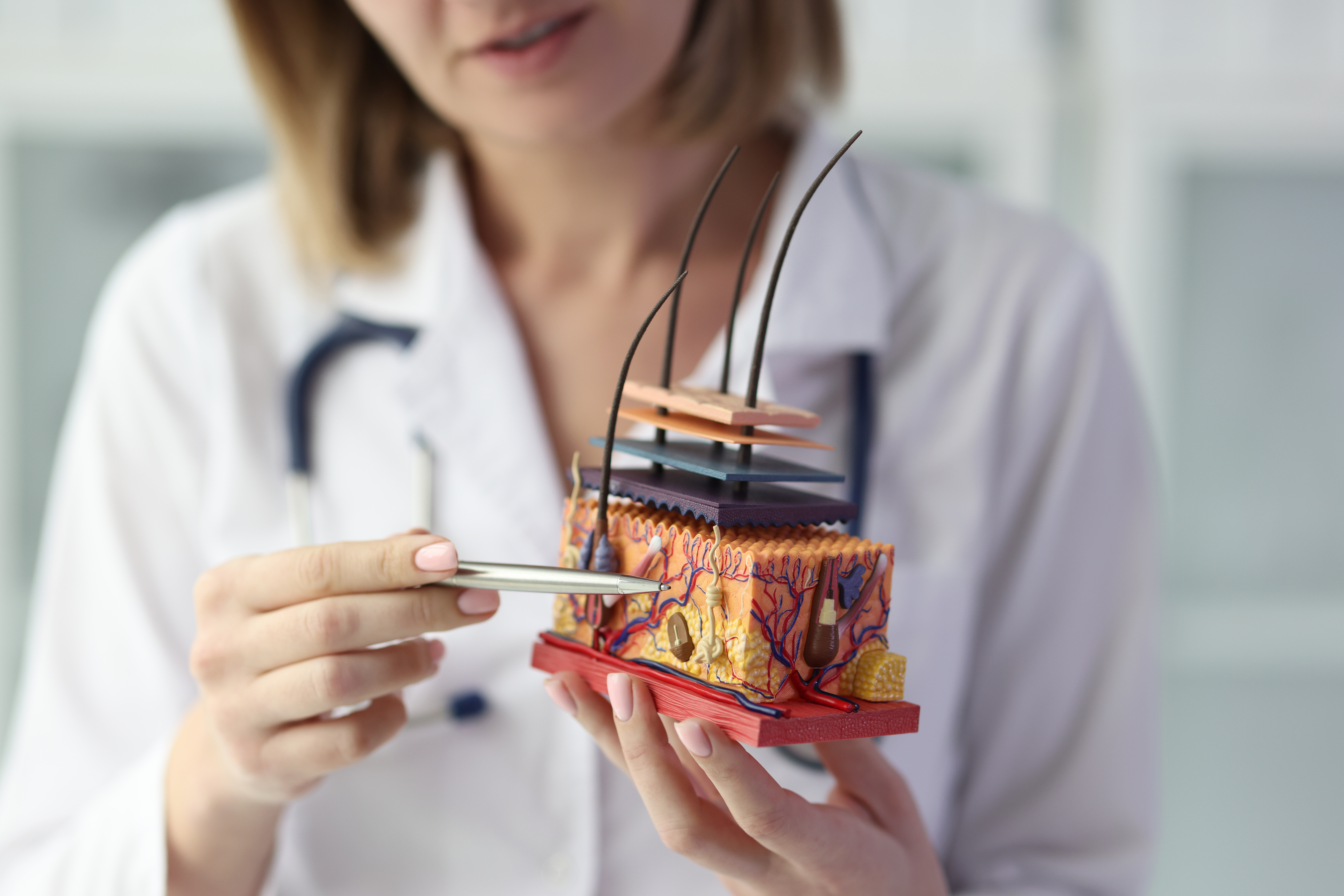
Because hair loss has multiple causes — androgenetic, hormonal, nutritional, inflammatory, autoimmune, and stress-related — treatment decisions should be based on clinical evaluation rather than a one-size-fits-all approach.
A board-certified dermatologist can assess your specific hair loss pattern, timeline, and contributing factors to determine which formulation, concentration, and treatment duration is most appropriate for your individual case.
At Telederm, every hair loss visit is reviewed by a board-certified dermatologist who evaluates your submitted photos, symptom history, and medical background before recommending a personalized compounded treatment plan. You can start your hair loss visit here
How Formulas Are Personalized to Each Patient
Every formulation listed above represents a starting point — not a fixed protocol. Our board-certified dermatologists evaluate each patient's unique hair loss pattern, scalp condition, hormonal profile, and treatment history before selecting or adjusting a formula. Concentrations, ingredient combinations, and delivery vehicles are modified at the physician's sole clinical discretion to match what each individual case actually requires. No two patients receive the same formula unless their clinical picture independently calls for it.
The Bottom Line
Minoxidil does not automatically mean a lifetime commitment. For patients with chronic androgenetic alopecia, ongoing use provides continuous benefit and discontinuation will typically result in resumed shedding. For patients with temporary or resolved triggers, a defined treatment course may be entirely appropriate.
The most important step is understanding which category applies to you — and that begins with a proper clinical evaluation.
This article is for informational purposes only and does not constitute medical advice. Treatment decisions should be made in consultation with a licensed healthcare provider based on individual clinical assessment. Compounded medications are not FDA-approved.

Knox Beasley, MD, FAAD
Dermatologist · Tulane University School of Medicine
Acne, Rosacea, Scalp conditions
Keep reading.
All in Skin Conditions →
Hair Shedding vs Hair Loss: What's the Difference?
Noticing more hair in your brush or shower drain? Learn the differences between hair shedding and hair loss, common causes, and signs that may help you better understand what's happening.

A GLP-1 Can Change More Than the Number on the Scale
Significant weight loss can bring changes beyond the number on the scale. Learn about common skin and hair changes—including hair shedding, dry skin, and changes in facial appearance—and discover simple ways to support healthy-looking skin throughout your weight-loss journey.
 Telederm Clinical Team · Aug 4, 2026
Can Hair Loss Be Reversed? Understanding Your Treatment Options
Not all hair loss is permanent. Learn what affects the chances of hair regrowth, common treatment options, and why personalized treatment plans may play an important role in managing hair loss.
Telederm Clinical Team · Aug 13, 2026
Dandruff vs Seborrheic Dermatitis: Key Differences
Dandruff and seborrheic dermatitis can cause similar symptoms, but they aren't exactly the same. Learn the key differences, common causes, and when professional support may help.