
Myth #2: Dark Circles Mean You Need More Sleep
A good night’s sleep doesn’t always make dark circles disappear. From genetics and pigmentation to allergies and natural shadows, there may be more happening beneath your eyes than simply being tired.
 Written byTelederm Clinical Team, MD | RPh | PharmD | FAADDermatology & Clinical Content Team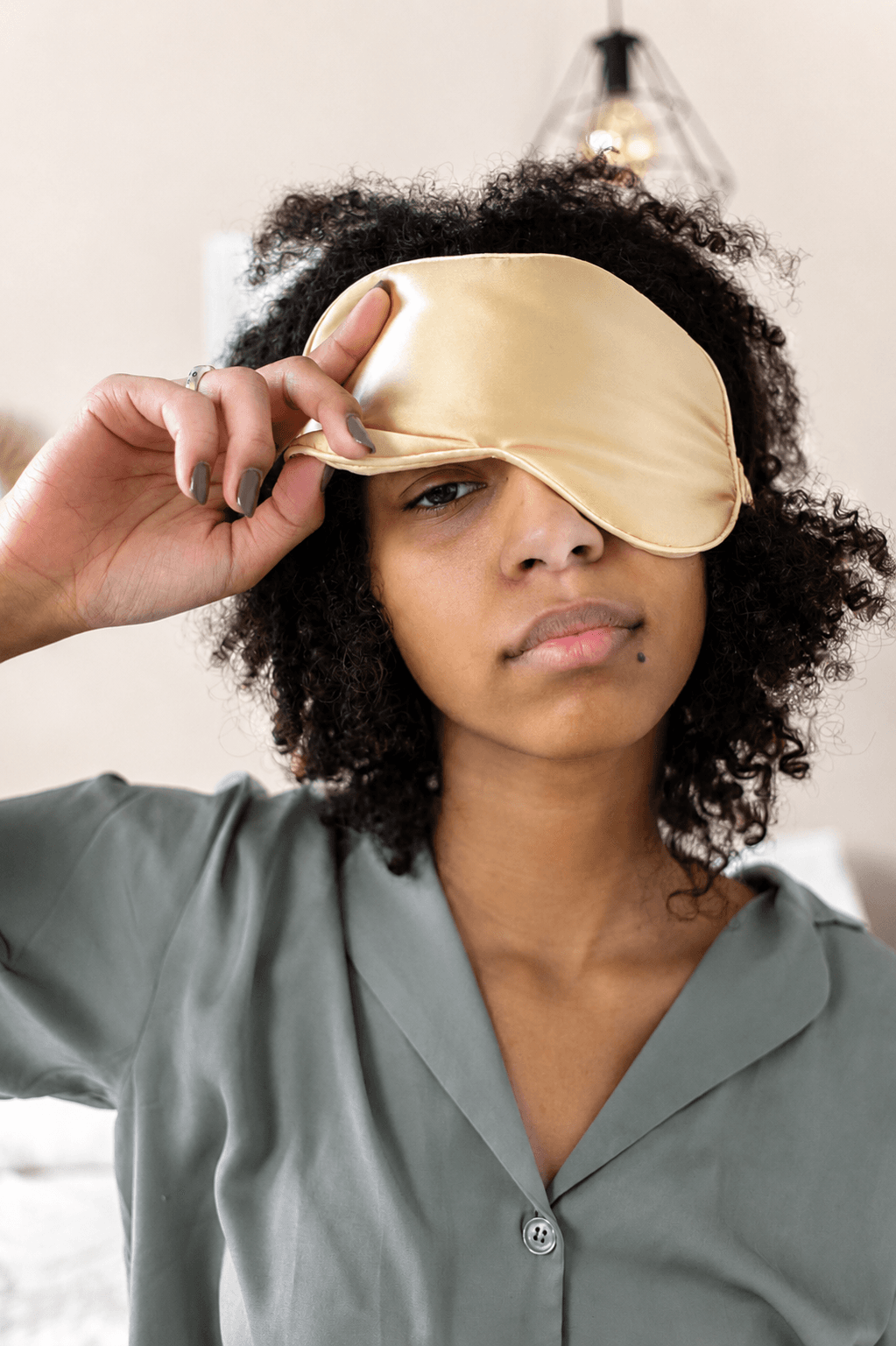
Dark circles have become almost synonymous with being tired. A late night shows up under the eyes, someone comments that you look exhausted, and suddenly sleep seems like the obvious explanation. While fatigue can make dark circles more noticeable, it is far from the only reason they appear.
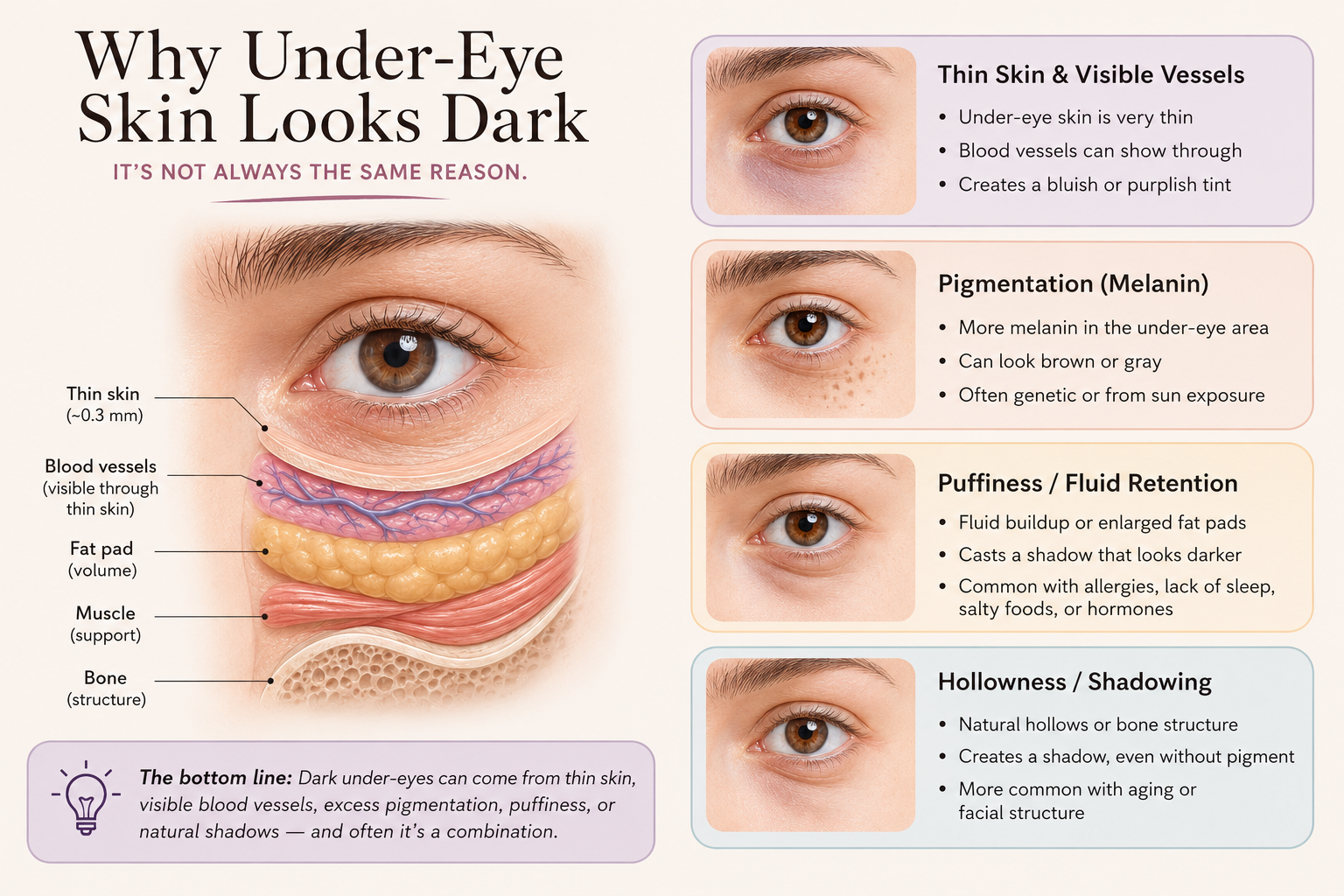
The term “dark circles” is actually used to describe several different things happening around the eyes. In some people, the skin itself has more pigmentation. In others, the natural shape of the under-eye area creates shadows that appear dark. Puffiness, allergies, sun exposure, genetics, and changes that happen with age can all influence the appearance of this area as well.
That variety is also why dark circles can be so frustrating to address. What looks nearly identical in the mirror may have a completely different explanation from one person to the next.
What Sleep Actually Has to Do With It
There is some truth behind the association between dark circles and a lack of sleep. Fatigue can make existing darkness and shadows beneath the eyes appear more noticeable, which is why they may seem particularly prominent after a few late nights.
But getting more sleep does not necessarily make dark circles disappear. If pigmentation, genetics, facial structure, allergies, or another factor is contributing to their appearance, a perfect sleep schedule may have very little to do with what you see in the mirror.
So sleep isn't innocent, but it also shouldn't get all the blame.
Sometimes the “Dark” Is Actually a Shadow
One of the more surprising things about dark circles is that the skin doesn't always have to be darker for the area to look darker.
The natural contour beneath the eye can create a shadow, particularly when there is a noticeable hollow between the lower eyelid and cheek. Puffiness can have a similar effect by changing the way light falls across the area.
This distinction matters because a shadow and pigmentation may look similar at first glance, but they aren't the same concern. It also helps explain why lighting can make dark circles look dramatically different from one photo or mirror to another.
Genetics, Pigmentation, and Allergies Can Play a Role
For some people, dark under-eyes simply run in the family. Genetics can influence both pigmentation and features around the eyes that affect how dark the area appears.
Sun exposure may make pigmentation more noticeable, while allergies can bring another set of issues. Nasal congestion associated with allergies can contribute to dark, puffy under-eyes sometimes referred to as allergic shiners. Frequent eye rubbing can also affect the appearance of the delicate skin in this area.
In other words, someone can sleep perfectly well and still have persistent dark circles.
Why Eye Creams Can Be Hit or Miss
The beauty aisle tends to treat “dark circles” as though they are one problem with one solution. That's where expectations can get tricky.
An eye product may be helpful for certain concerns without being capable of addressing every reason an under-eye area looks dark. Something intended to improve the appearance of pigmentation, for example, is addressing a different concern than a shadow created by the natural contour beneath the eye.
This doesn't mean eye creams are pointless. It means the phrase “dark circles” may be describing the appearance rather than the cause.
Understanding that difference can make it easier to set realistic expectations for what a skincare product may actually change.
What Can You Do About Dark Circles?
There isn't one answer that works for everyone. Adequate sleep may help when fatigue is making darkness more noticeable. Sun protection can help protect the under-eye area from additional sun exposure, while a cool compress may temporarily improve the appearance of puffiness.
For persistent dark circles, the more useful starting point may be figuring out what is contributing to their appearance rather than immediately searching for the strongest or most expensive eye product.
Some dark circles can improve. Others may be influenced heavily by genetics or the natural structure of the face. Either way, understanding the likely cause gives much more context than assuming tired-looking eyes simply need an earlier bedtime.
How Telederm Can Help
When dark circles or pigmentation around the eyes become a concern, Telederm offers online access to a board-certified dermatologist who can review photos, health history, and individual concerns.
A provider can help evaluate what may be contributing to the appearance of the under-eye area and, when appropriate, discuss treatment or skincare options based on those findings.
Dark circles may make someone look tired, but they don't necessarily mean they are. Sometimes, that's simply how the under-eye area looks, and sometimes there's another explanation hiding in plain sight.
Telederm Clinical Team, MD | RPh | PharmD | FAAD
Dermatology & Clinical Content Team · Telederm.me
Keep reading.
All in Dermatology Myths, Explained →
One Ingredient, A Lot of Jobs: What Niacinamide Can Do for Your Skin
From supporting the skin barrier to helping with oiliness, dark spots, redness, and signs of aging, here’s what this popular skincare ingredient can actually do.
Telederm Clinical Team · Sep 30, 2026
Your Skin Remembers: What Years of Sun Exposure Leave Behind
The sunburn may disappear and the tan may fade, but your skin can carry signs of UV exposure for years. Here’s what cumulative sun exposure can leave behind, why some changes appear later, and why protecting your skin still matters.
Telederm Clinical Team · Sep 30, 2026
Myth #3: Oral Medications Work Better Than Topical Medications
A prescription doesn’t have to travel through the entire body to be effective. In dermatology, sometimes the most direct route is exactly where the treatment needs to be.
Telederm Clinical Team · Sep 30, 2026
Vitiligo Treatment Has Changed: Understanding Today’s Options
Vitiligo treatment has evolved as researchers learn more about the immune pathways behind pigment loss. From established topical therapies and phototherapy to newer JAK-targeted approaches, understanding the options can help patients have more informed conversations about treatment.
Telederm Clinical Team · Sep 28, 2026