
Meet Urea: The Ingredient That Works in More Ways Than One
Urea might not be the trendiest skincare ingredient, but its versatility makes it a dermatology staple. Learn how different concentrations can help with everything from everyday dryness to rough, thickened skin.
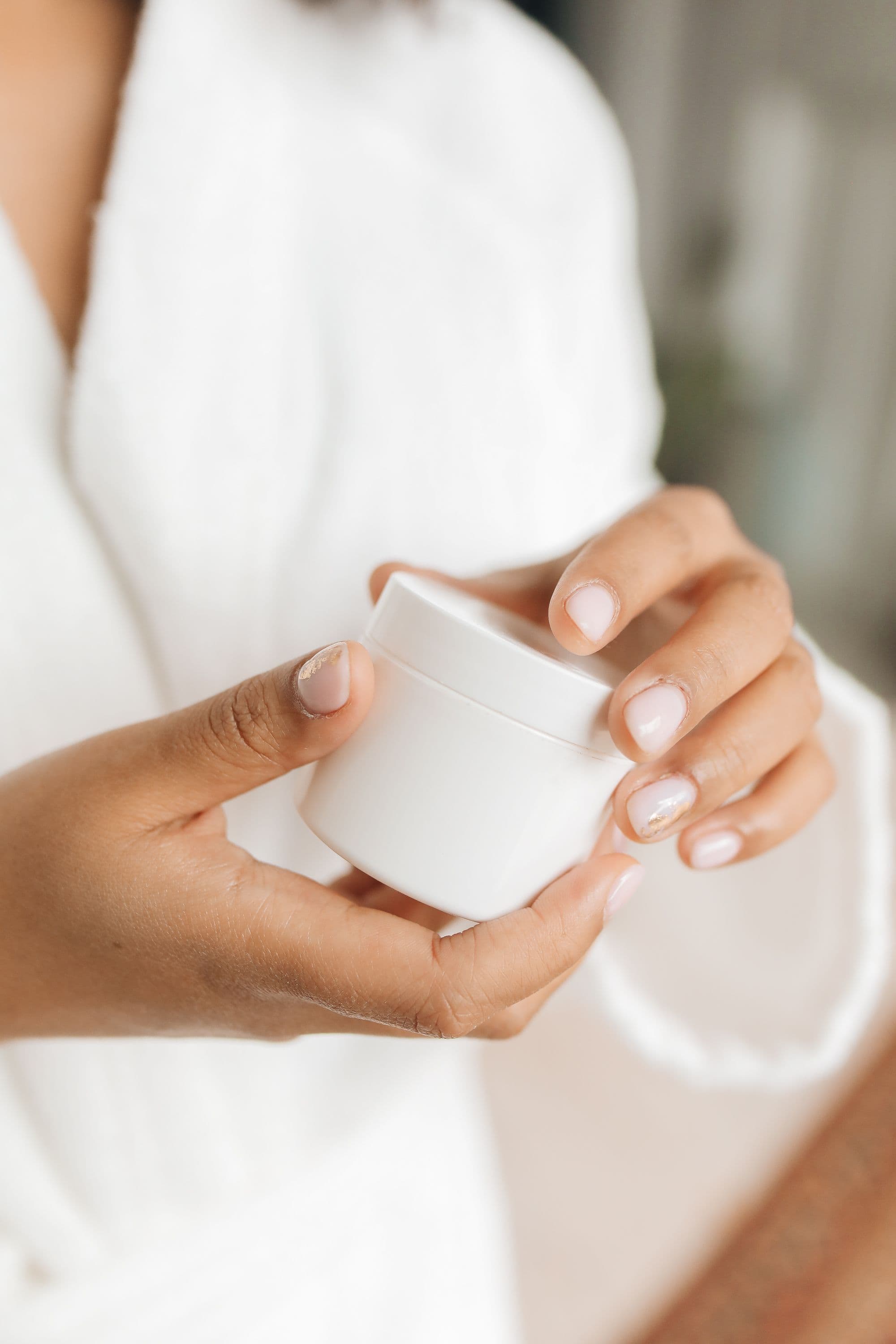
Urea might not have the name recognition of hyaluronic acid or retinol, but it's been a staple in dermatology for decades. Found in everything from everyday moisturizers to intensive foot creams, this unassuming ingredient has an unusual advantage: its benefits can change depending on how much of it is used.
At lower concentrations, urea helps skin retain moisture. At higher concentrations, it can soften and loosen the buildup of dead skin cells responsible for rough, thickened patches. That versatility makes it useful for a surprisingly wide range of skin concerns.
What Exactly Is Urea?
Urea is a naturally occurring component of the skin's natural moisturizing factor (NMF), a collection of substances that help the outermost layer of skin attract and retain water.
Although the body naturally produces urea during protein metabolism, the urea used in skincare products is typically manufactured synthetically. It's the same chemical compound, formulated for topical use.
When incorporated into a moisturizer, urea acts as a humectant, helping the skin hold onto water. It also influences how the outer layer of skin functions, which is particularly useful when dryness is accompanied by roughness or scaling.
Why Concentration Changes Everything
One of urea's most interesting qualities is that its effects depend partly on concentration. While the exact response varies by formulation and skin condition, products generally fall into a few categories.
Lower Concentrations: Everyday Hydration
At concentrations around 2–10%, urea is primarily used for its moisturizing properties. It can help improve skin hydration, reduce flakiness, and support a smoother skin surface.
These formulations may be useful for people dealing with ordinary dryness, particularly on areas such as the arms, legs, and hands.
Moderate Concentrations: Rough, Flaky Skin
Products in this range are often used for concerns such as keratosis pilaris, which causes small, rough bumps around hair follicles, or persistent dryness accompanied by scaling.
Rather than relying solely on surface exfoliation, urea helps soften the outer layer of skin, making accumulated dead skin easier to shed.
Higher Concentrations: Thickened Skin
These stronger formulations may be used for stubborn calluses, thickened heels, or certain nail conditions under appropriate guidance.
However, higher concentrations aren't necessarily better for everyday skincare. They can cause stinging or irritation, especially on sensitive, inflamed, or broken skin.
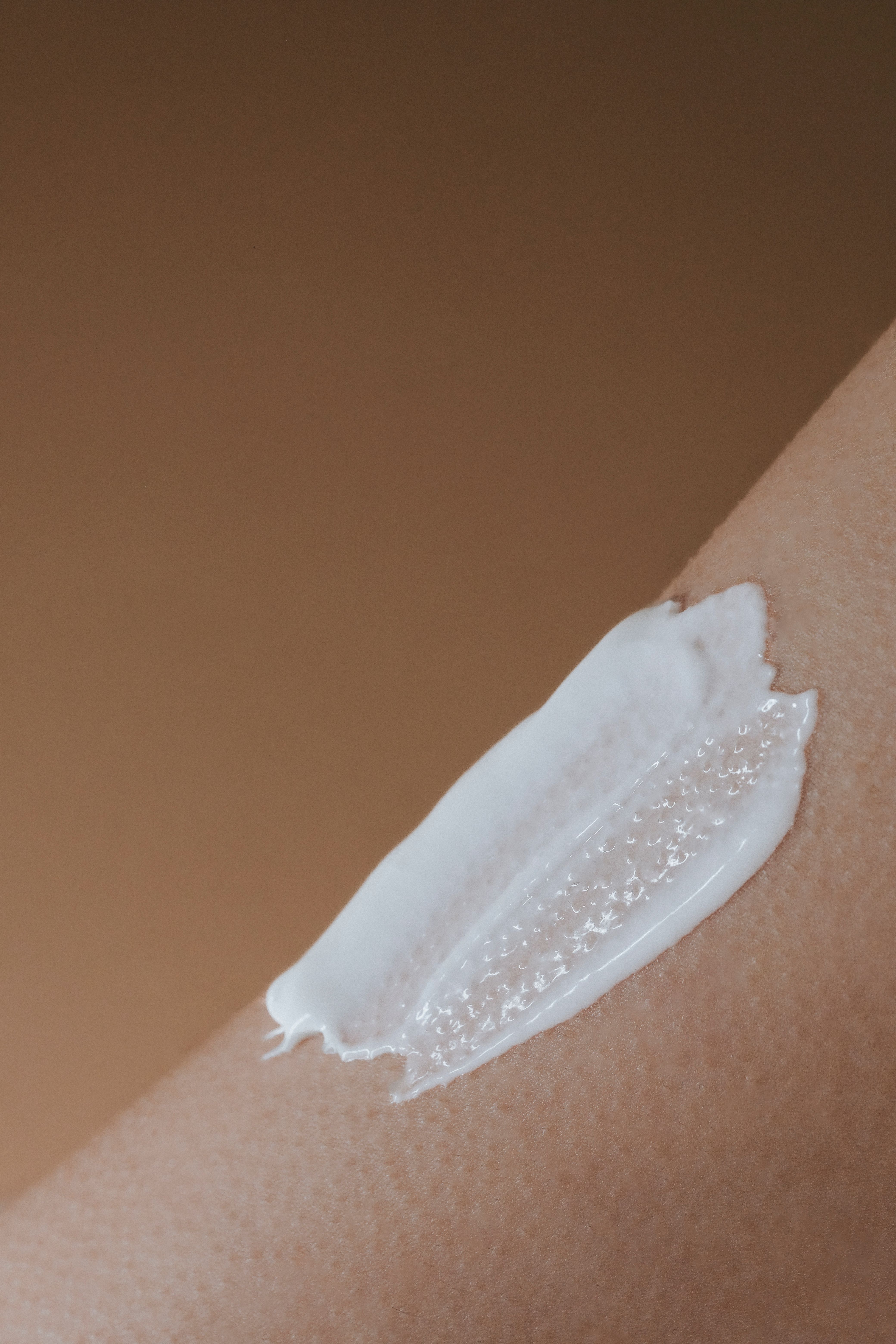
Where Urea Can Be Especially Useful
Because it combines moisturizing and skin-softening properties, urea appears in products designed for several different concerns.
For very dry skin, it helps improve hydration while addressing the rough texture that often accompanies persistent dryness.
For keratosis pilaris, urea-containing creams may help soften the buildup of keratin responsible for the characteristic bumps, although results vary and ongoing care may be necessary.
For calluses and cracked heels, higher-strength formulations can soften hardened skin, making it easier to manage thickened areas. Deep cracks, especially in people with diabetes or circulation problems, warrant professional evaluation rather than aggressive self-treatment. If your heels remain dry, cracked, or uncomfortable despite regular moisturizing, a dermatologist can help determine whether a skin condition is contributing to the problem. You can start an online dermatology visit with Telederm to discuss your symptoms and potential treatment options.
Urea is also used in some specialized treatments for thickened or abnormal nails, where its ability to soften keratin can be particularly valuable.
Is Urea Right for Every Skin Type?
Despite its versatility, urea isn't automatically suitable for every situation. Some people experience temporary stinging, particularly when applying it to irritated skin, and stronger products may be too harsh for delicate areas.
Concentration matters, but so does the overall formulation. A 10% urea cream designed for body care may feel very different from a specialized treatment intended for thickened heels.
For most people, choosing a product based on the skin concern being treated is more useful than simply reaching for the highest percentage available.
Urea's appeal lies in its adaptability. Few skincare ingredients can serve as a straightforward moisturizer in one formulation and a treatment for stubborn, thickened skin in another. Its versatility is a reminder that an ingredient doesn't need to be trendy to earn a lasting place in dermatology.
Keep reading.
All in Ingredient Spotlight →
One Ingredient, A Lot of Jobs: What Niacinamide Can Do for Your Skin
From supporting the skin barrier to helping with oiliness, dark spots, redness, and signs of aging, here’s what this popular skincare ingredient can actually do.
 Telederm Clinical Team · Sep 30, 2026
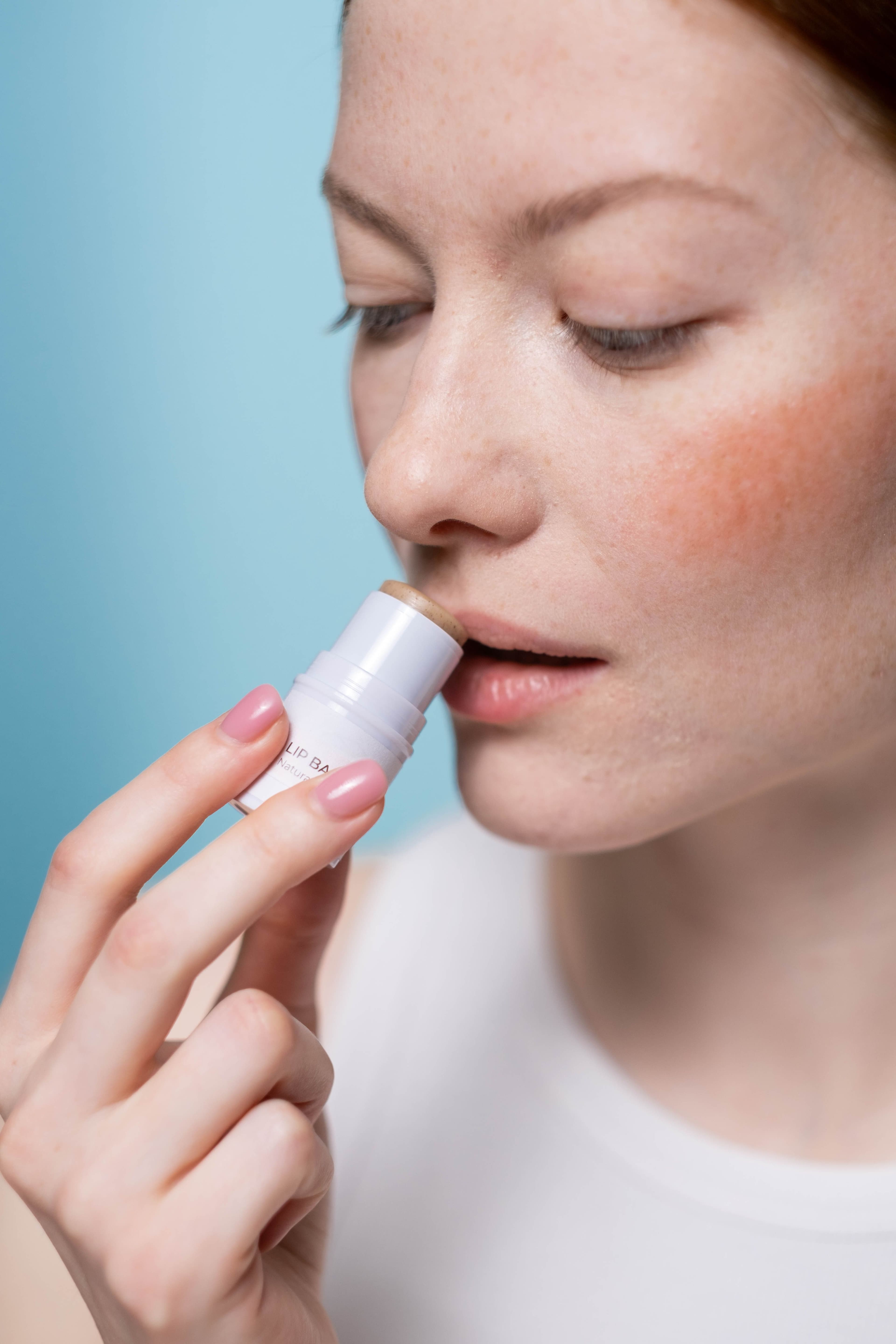
Is Your Lip Balm Making Your Lips Drier?
If your lips always seem dry despite frequent lip balm use, the ingredients in your favorite product could be contributing to the problem. Discover which ingredients may cause irritation and why inexpensive options like petroleum jelly can sometimes provide better relief.
A GLP-1 Can Change More Than the Number on the Scale
Significant weight loss can bring changes beyond the number on the scale. Learn about common skin and hair changes—including hair shedding, dry skin, and changes in facial appearance—and discover simple ways to support healthy-looking skin throughout your weight-loss journey.
Telederm Clinical Team · Aug 4, 2026
Skincare Trend or Holy Grail? Let's Talk Slugging and Flooding
Slugging and skin flooding have taken over skincare routines, but are they worth the hype? Explore the science behind these viral trends, their benefits, and how to decide which approach is right for your skin.
Telederm Clinical Team · Oct 21, 2026