
The Dermatologist's Overnight Hand Repair Method
Give dry, rough hands an overnight reset with a simple soak, moisturize, and cotton glove routine designed to help lock in hydration.
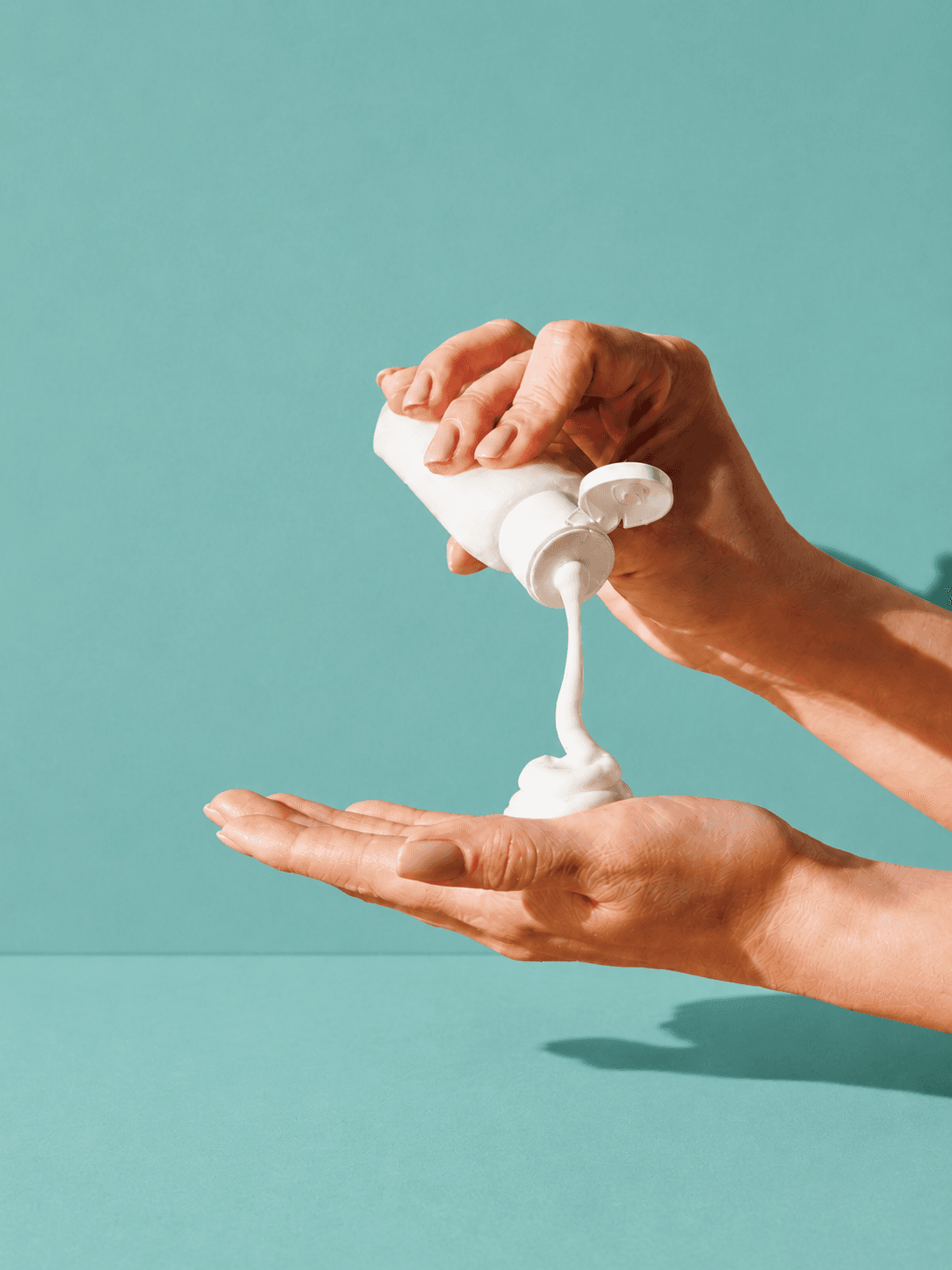
If you have ever dealt with hands that are perpetually dry, cracked, peeling, or raw — you have probably tried every lotion, cream, and hand mask you could find.
And if you are reading this, none of them fully worked.
Here is the problem: most moisturizers applied to dry, damaged skin evaporate before they have a chance to actually repair anything. You get temporary relief, the moisture disappears, and your skin is right back to where it started.
The soak and smear method works differently. Instead of just adding moisture to the surface, it uses a specific sequence of steps to drive hydration deep into the skin barrier and lock it there long enough for real repair to happen.
It sounds simple. It is. And that is exactly why it works.
What Is the Soak and Smear Method?
The soak and smear is a three-step overnight technique designed to restore severely dry, cracked, or compromised skin — particularly on the hands. It has been used and recommended by dermatologists for decades for conditions including hand eczema, chronic dry skin, contact dermatitis, and barrier dysfunction.
The method works by combining hydration, occlusion, and protection in a specific sequence that maximizes the skin's ability to repair itself overnight.
All three steps are essential. Skipping any one of them significantly reduces the effectiveness of the technique.
How to Do It — Step by Step
Step 1 — Soak
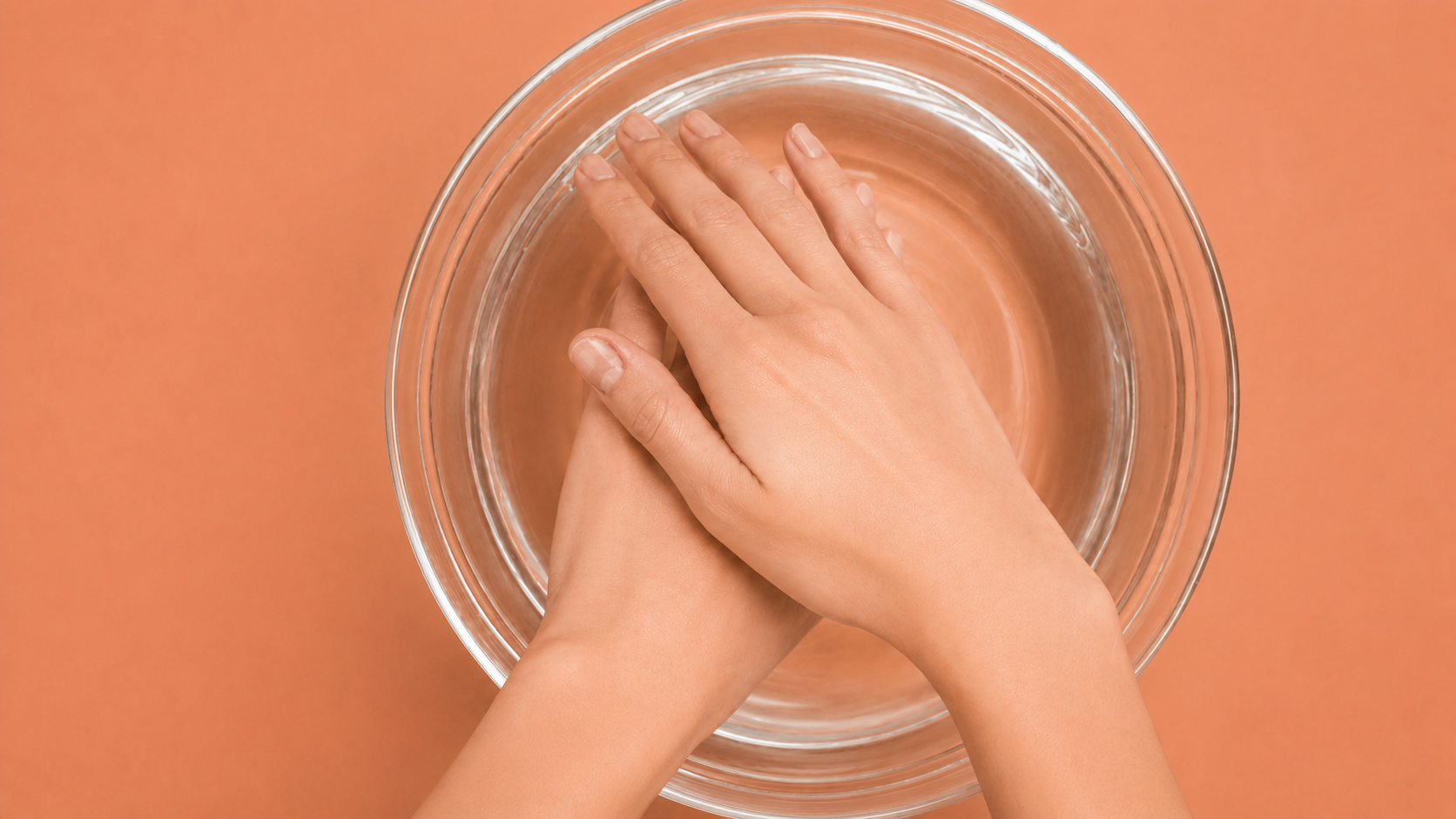
In the evening, soak your hands in lukewarm water for 20 minutes.
A few important notes on this step:
Use lukewarm water — not hot. Hot water strips the skin barrier and will worsen dryness rather than helping it
Plain water is fine — no soap, no bath salts, no added products during the soak
20 minutes is the target. This is long enough to allow the outermost layers of the skin to become fully hydrated without causing over-maceration
Step 2 — Smear
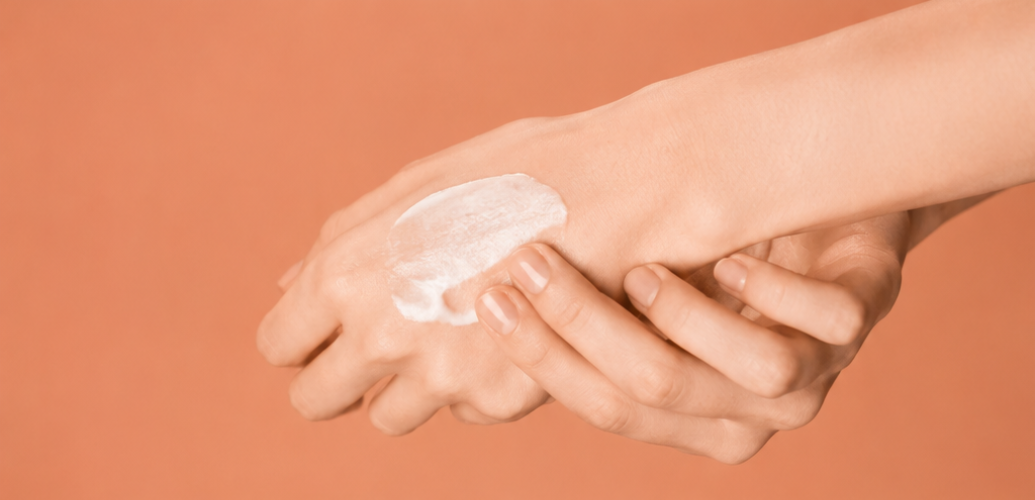
Immediately after soaking — while your skin is still slightly damp — pat your hands dry gently with a soft towel and apply a thick, generous layer of a petrolatum-based occlusive balm.
The preferred products for this step are:
Aquaphor Healing Ointment (preferred for most patients — it contains petrolatum as the primary ingredient along with humectants that support skin repair)
Vaseline (100% petrolatum) — an excellent alternative
Do not use regular hand lotion for this step. Most commercial hand creams and lotions contain water as their primary ingredient, which evaporates — and many contain fragrances, alcohols, or other additives that can further irritate compromised skin. For the soak and smear to work, you need a true occlusive barrier, and petrolatum-based products are the most effective option.
Apply generously. This is not the step to be conservative. Cover every dry, cracked, or irritated area thoroughly.
Step 3 — Seal with Cotton Gloves
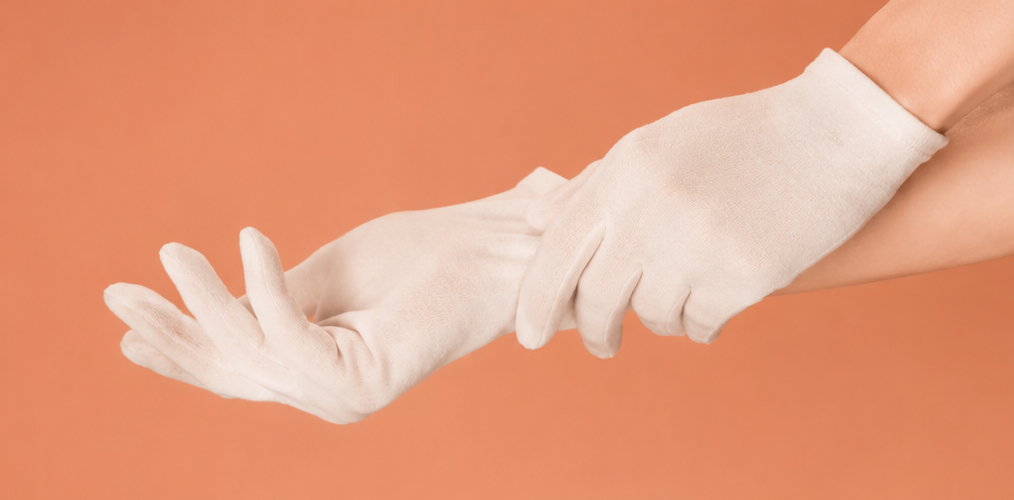
Immediately after applying the Aquaphor or Vaseline, put on a pair of clean cotton gloves and leave them on overnight.
Why cotton specifically?
Cotton allows the skin to breathe while maintaining the occlusive environment needed for repair
Do not use vinyl or rubber gloves — these are non-breathable and can trap heat and irritants against the skin, which can worsen irritation rather than helping it
The gloves serve as a physical barrier that keeps the occlusive layer in contact with your skin throughout the night, preventing it from rubbing off on your sheets and allowing the repair process to work uninterrupted
Why This Works — The Science Behind It
The soak and smear method works because it addresses the two most important components of dry, damaged skin repair simultaneously: hydration and occlusion.
Hydration
When the skin is dry and the barrier is compromised, its ability to retain water — called transepidermal water loss (TEWL) — is significantly impaired. The 20-minute soak saturates the stratum corneum (the outermost layer of skin) with water, temporarily restoring hydration to an area that has been chronically depleted.
Occlusion
Petrolatum — the active ingredient in both Vaseline and Aquaphor — does not moisturize the skin directly. What it does is create a semi-occlusive seal over the skin surface that dramatically reduces transepidermal water loss. By trapping the hydration from the soak underneath that occlusive layer, you are giving the skin an extended window of high-moisture exposure that it simply cannot get from a daytime moisturizer applied for a few hours.
Overnight repair
Skin repair processes — including barrier lipid synthesis and cell turnover — are most active during sleep. The overnight timing of the soak and smear is intentional. It aligns the period of maximum occlusion with the period of maximum skin repair activity.
Who Is This For?
The soak and smear method is particularly beneficial for:
Chronic dry hands that do not respond adequately to regular moisturizers
Hand eczema — one of the most common indications for this technique
Contact dermatitis affecting the hands — from irritants like soap, cleaning products, or frequent handwashing
Cracked fingertips or knuckles that are slow to heal
Keratoderma or thickened, rough skin on the palms
Occupational hand damage — common in healthcare workers, cleaners, hairdressers, and others whose hands are in contact with water or irritants frequently
The soak and smear method is supported by guidance from the American Academy of Dermatology for the management of atopic dermatitis - one of the most authoritative sources for eczema and skin barrier treatment recommendations - and compromised skin barrier function.
How Often Can You Do It?
You can repeat the soak and smear as often as you would like. There is no upper limit, and more frequent use does not carry any risk of over-treatment.
For acutely dry or cracked hands, nightly use for several consecutive weeks is appropriate and recommended. Once your skin has repaired to a satisfactory level, you can taper to two or three times per week as a maintenance strategy.
What to Expect
Most people notice a meaningful difference in skin texture and hydration within the first few sessions. Deep cracks and fissures typically take longer to fully heal — improvement in severe cases can take several weeks of consistent nightly use.
The key word is consistent. The soak and smear method is not a one-time treatment. It works through repeated application that gives the skin barrier sustained opportunity to rebuild.
Important — When the Soak and Smear Is Not Enough
The soak and smear is a powerful barrier repair technique, but it is a supportive measure — not a treatment for the underlying cause of your skin condition.
If your dry, cracked, or irritated hands are caused by an underlying condition like eczema, psoriasis, contact dermatitis, or a fungal infection — addressing the root cause alongside barrier repair is essential. Without treating what is actually driving the damage, the barrier will continue to break down faster than the soak and smear can repair it.
Signs that your hand condition may need professional evaluation:
Persistent redness, inflammation, or swelling that does not improve
Blistering or oozing
Significant itching that disrupts sleep or daily life
Cracking that bleeds or becomes infected
Symptoms that have been present for months without improvement
At Telederm, a board-certified dermatologist can evaluate your hand condition virtually — reviewing your photos, symptom history, and skin profile — and if appropriate, recommend a treatment plan that addresses both the underlying cause and supports barrier repair. Custom compounded formulas can be prescribed when commercially available options are not providing adequate results.
[Start your visit — telederm.me/condition/dry-cracking-skin]
Keep reading.
All in Routines →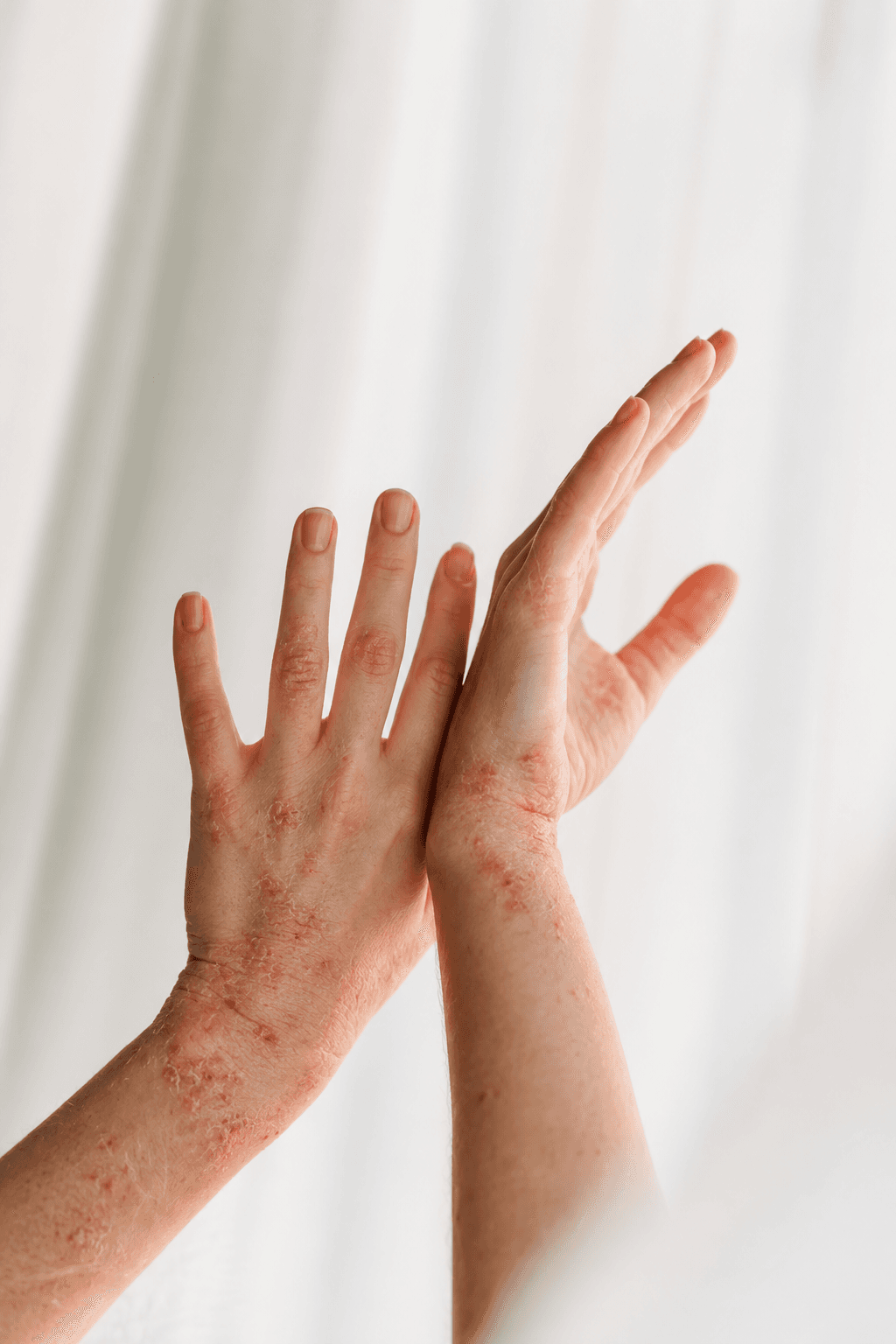
Understanding the Eczema Cycle
Eczema doesn’t always follow a straight path. A flare may improve or even clear with treatment, only to return later. Understanding the cycle from triggers and treatment to clearer skin and maintenance can make eczema easier to manage over time.
 Telederm Clinical Team · Sep 21, 2026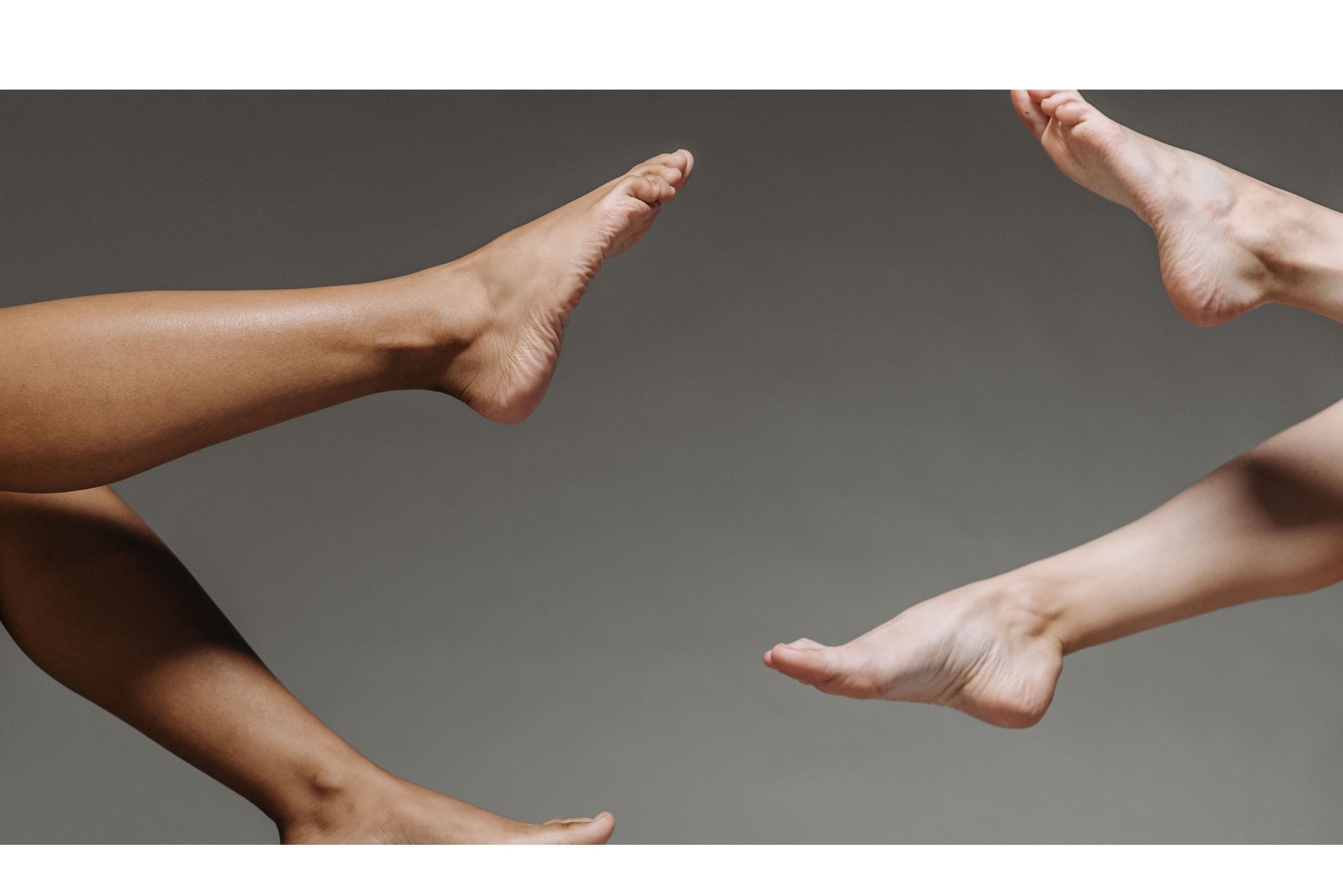
Itchy Feet? Fungus Isn’t the Only Suspect
Fungus may be the first thing that comes to mind when your feet start itching, but it isn’t the only possibility. From eczema and contact dermatitis to bacterial infections, several conditions can leave feet itchy, peeling, or irritated.
Telederm Clinical Team · Sep 22, 2026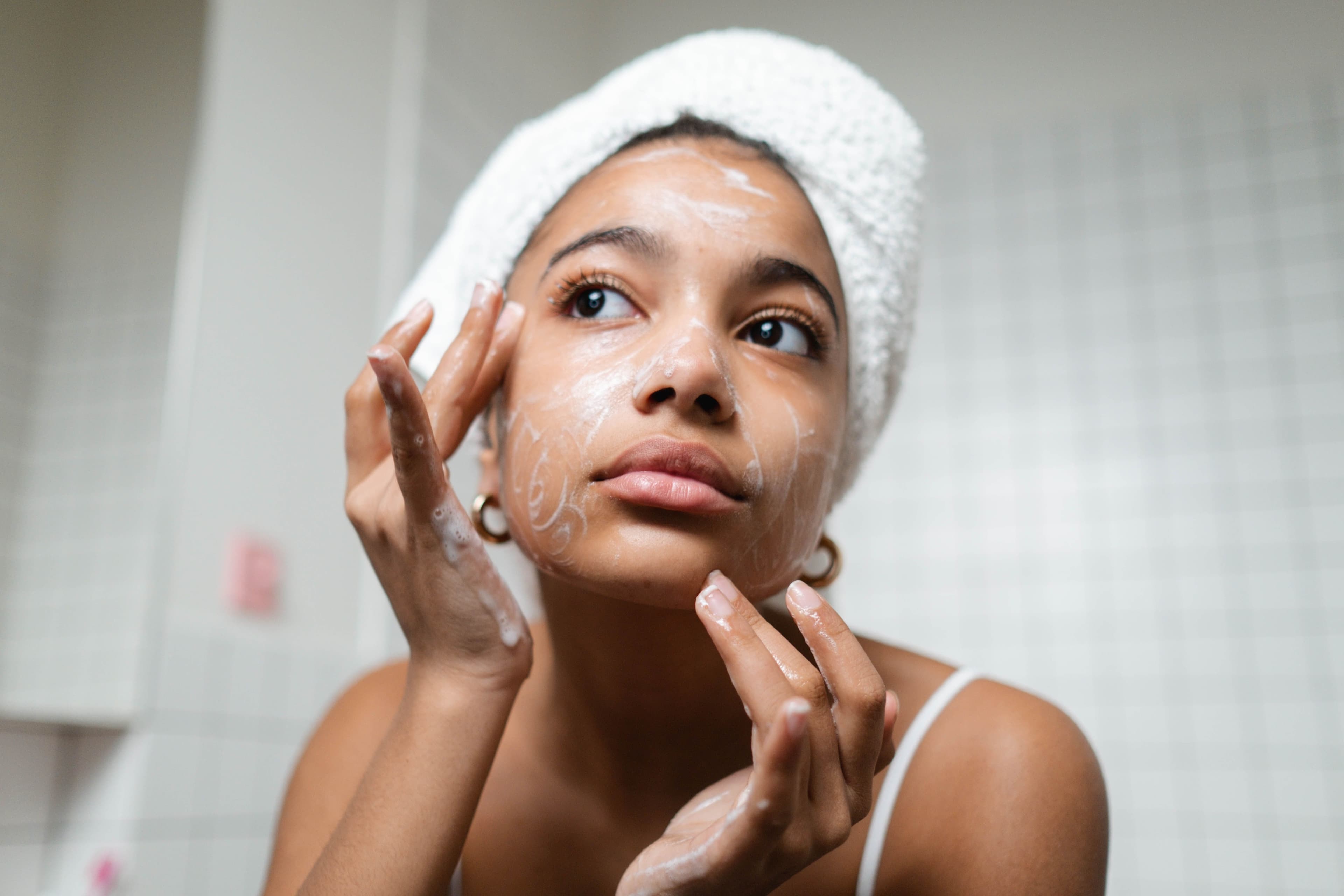
Skin Barrier Repair: Signs Your Skin Needs Support
If your skin suddenly feels dry, tight, or irritated, your skin barrier may need extra support. Learn what affects the skin barrier and discover simple habits that may help restore healthier-looking skin.
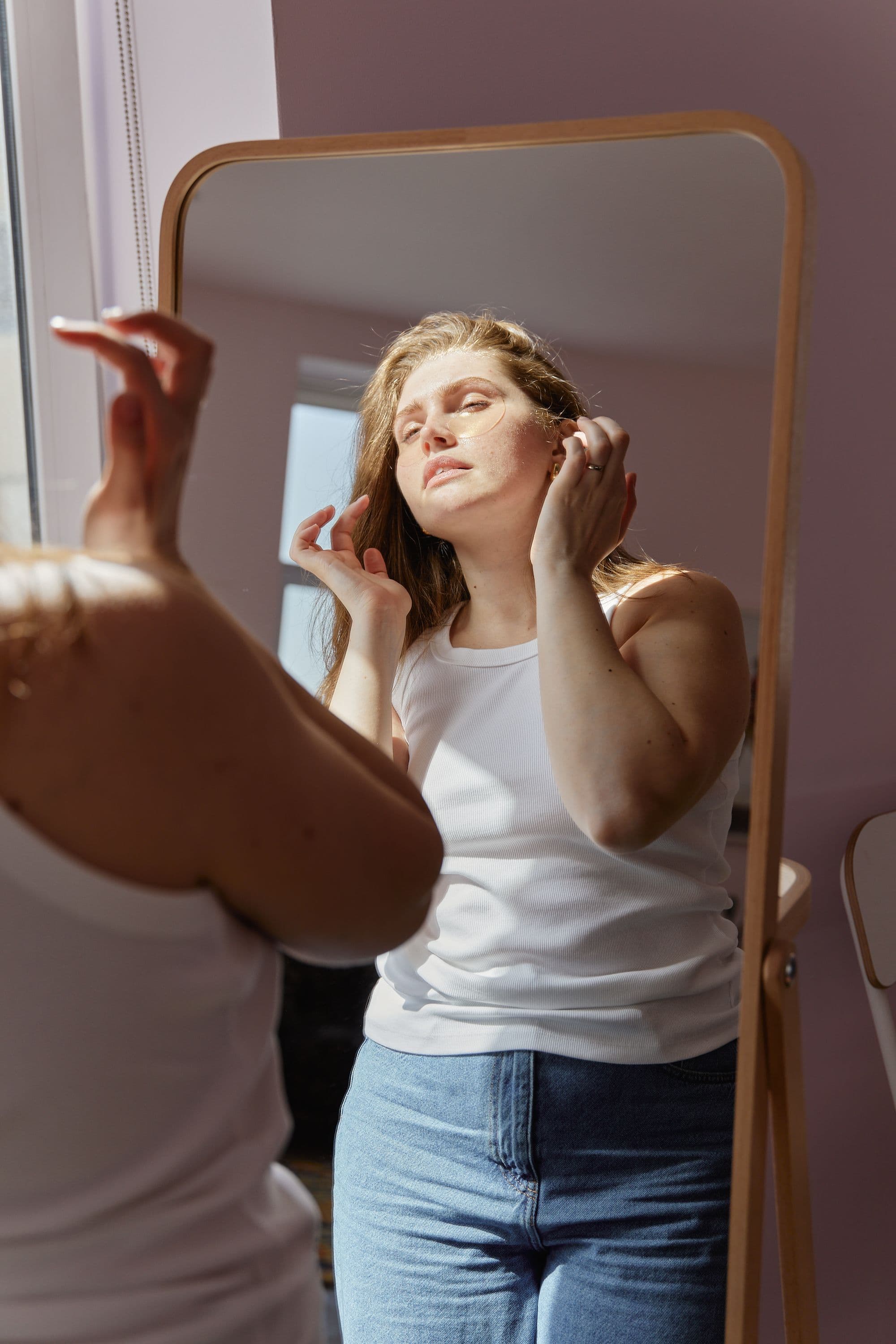
A GLP-1 Can Change More Than the Number on the Scale
Significant weight loss can bring changes beyond the number on the scale. Learn about common skin and hair changes—including hair shedding, dry skin, and changes in facial appearance—and discover simple ways to support healthy-looking skin throughout your weight-loss journey.
Telederm Clinical Team · Aug 4, 2026