
Skin Barrier Repair: Signs Your Skin Needs Support
If your skin suddenly feels dry, tight, or irritated, your skin barrier may need extra support. Learn what affects the skin barrier and discover simple habits that may help restore healthier-looking skin.
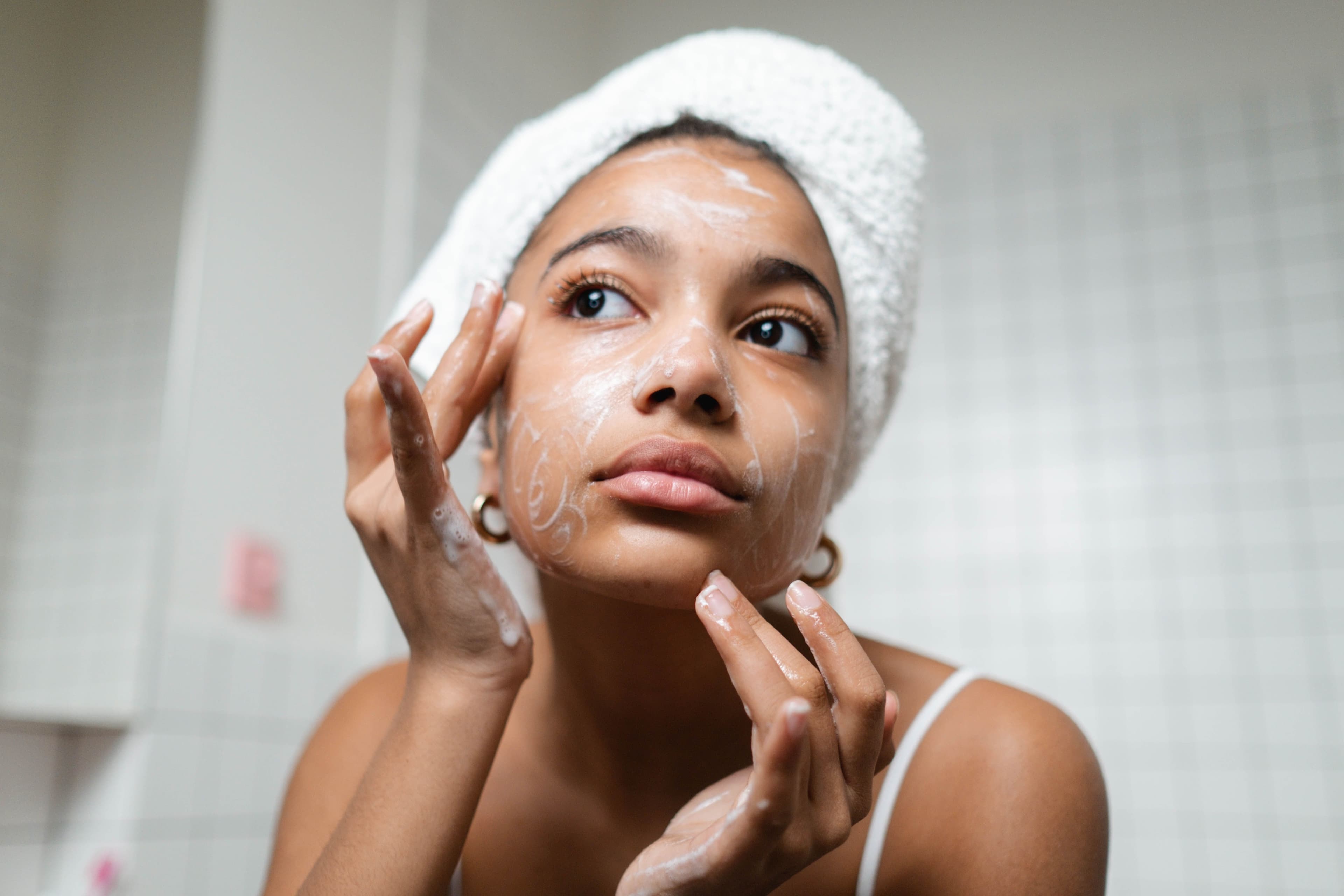
Skin Barrier Repair: Are You Damaging Your Skin Without Knowing?
If your skin has been feeling more sensitive, dry, irritated, or reactive lately, you might have come across the term “skin barrier repair” while trying to figure out what’s going on. Maybe you’ve noticed your usual products suddenly start to sting, your skin feels tight no matter how much moisturizer you use, or things just seem different from how they normally are.
The tricky part is that many people trying to improve their skin can end up adding more products, more steps, and more active ingredients without realizing that these changes may sometimes contribute to additional irritation. That’s why it’s important to understand skin barrier repair. The more you understand what your skin barrier does and how to support it, the easier it becomes to make informed decisions about your routine.
In this guide, we’ll walk through what the skin barrier is, what can affect it, signs that may suggest your skin needs a bit of extra support, and practical ways to simplify your routine.
Can a Damaged Skin Barrier Repair Itself?
In some situations, the skin barrier may gradually recover when potential sources of irritation are reduced, and the skin is given time and support. However, it’s important to remember that everyone’s skin is different, and recovery can vary depending on factors such as your routine, environment, skin type, and any underlying skin concerns.
The goal of skin barrier repair is not necessarily about finding one “miracle product” that can help you. In many cases, it’s more about reducing unnecessary stress on the skin and supporting its natural function over time.
What Is the Skin Barrier?
Your skin barrier is the outermost layer of your skin and acts as a protective shield between your body and the outside environment.
Its role includes helping to:
● Retain moisture
● Protect against environmental irritants
● Support overall skin balance
● Reduce water loss from the skin
When the skin barrier is functioning normally, skin may feel more comfortable, balanced, and less reactive. When the barrier becomes disrupted, some people notice changes in how their skin looks or feels.
What Causes Skin Barrier Damage?
Skin barrier disruption doesn’t usually happen because of one single thing. Instead, it can sometimes result from several smaller factors that build up over time.
Some common examples include:
● Overusing active ingredients such as retinoids or exfoliating acids
● Using harsh cleansers that strip away natural oils
● Exfoliating too frequently
● Introducing multiple products at once
● Environmental factors such as weather changes or sun exposure
● Stress and lifestyle factors that may affect overall skin health
Many of these habits come from good intentions. When something feels off with your skin, the natural response is often to try another product or add another step.
However, more products do not always mean more support. In some situations, simplifying things may actually be a very helpful part of skin barrier repair.
Another reason this can sometimes feel confusing is that changes to the skin barrier are not always immediate. Someone may introduce a new product and feel completely fine at first, only to notice irritation, dryness, or sensitivity after repeated use over time.
Because of that, it can sometimes be difficult to connect a specific change in your routine to how your skin is reacting. Looking at the overall picture rather than focusing on a single product can sometimes provide more useful context.
Signs You May Need Skin Barrier Repair
Skin can respond in different ways when its protective barrier becomes disrupted.
Some changes people commonly report include:
● Increased sensitivity
● Dryness or tightness
● Redness
● Rough or flaky texture
● Skin that feels more reactive than usual
● Breakouts that seem different from what you normally experience
These symptoms do not automatically mean your skin barrier could be damaged, and they can sometimes overlap with other skin concerns as well. However, if you’re experiencing changes in your skin that feel persistent or unusual, they may be worth paying attention to.
Understanding these patterns can sometimes make it easier to determine whether skin barrier repair and a simplified approach may be helpful.
Common Habits That Can Slow Down Skin Barrier Repair
When skin feels irritated or unpredictable, many people instinctively try to fix the issue quickly. But sometimes certain habits can unintentionally make things more complicated.
Some examples include:
● Layering multiple active ingredients together
● Frequently switching products before giving them time
● Exfoliating too often
● Trying several new treatments at the same time
● Using products that feel harsh on the skin
These habits do not automatically cause problems for everyone, but they can make it harder to identify what your skin is responding to.
During skin barrier repair, consistency often becomes just as important as the products themselves.
How to Support Skin Barrier Repair
The goal of skin barrier repair is generally to simplify and support the skin rather than overwhelm it.
Some approaches that may help support the skin barrier include:
● Using a gentle cleanser that doesn’t leave your skin feeling stripped
● Keeping your routine simple and manageable
● Limiting unnecessary product changes
● Using moisturizers that are designed to support hydration
● Using sun protection daily
Some ingredients commonly discussed in skincare research include:
Ceramides: These are lipids naturally found in the skin and play a role in supporting the skin barrier.
Hyaluronic acid: This ingredient is often used in skincare products because of its ability to help attract and retain moisture.
Rather than introducing many new products at once, skin barrier repair may sometimes involve slowing down and focusing on a few consistent steps at a time.
Niacinamide: A form of vitamin B3 that is often discussed in skincare for its role in supporting the skin's natural barrier and helping the skin retain moisture.
When Additional Support May Help
Sometimes people simplify their routines and still feel uncertain about what their skin needs.
Additional support may be worth considering if:
● Symptoms continue over time
● Skin feels persistently uncomfortable
● Breakouts or irritation keep returning
● You’re finding it difficult to identify what may be contributing to the issue
There are many different skin concerns that can have different causes, which is one reason ongoing trial and error can sometimes become frustrating.
Understanding Your Next Step
For people looking for additional guidance, Telederm offers an online process designed to make dermatology care easier to access.
Patients can:
● Complete guided questions
● Upload photos
● Have their case reviewed by a board-certified dermatologist
If treatment is medically appropriate, the dermatologist may recommend a personalized plan based on the details of the visit.
If you’d like to learn more about Telederm and the approach behind the platform, visit our About page. You can also explore our services to learn more about the skin concerns and treatment areas currently supported through the platform.
Helping Your Skin Find Balance Again
Skin barrier repair is often less about doing more and more about understanding what your skin may be responding to.
If your skin has been feeling different lately, it may help to step back and look at the bigger picture. Sometimes simplifying your routine, paying attention to patterns, and giving your skin time can be just as valuable as adding another product.
Understanding your skin does not always happen overnight, but having clearer information can make the next steps feel a little easier.
Keep reading.
All in Routines →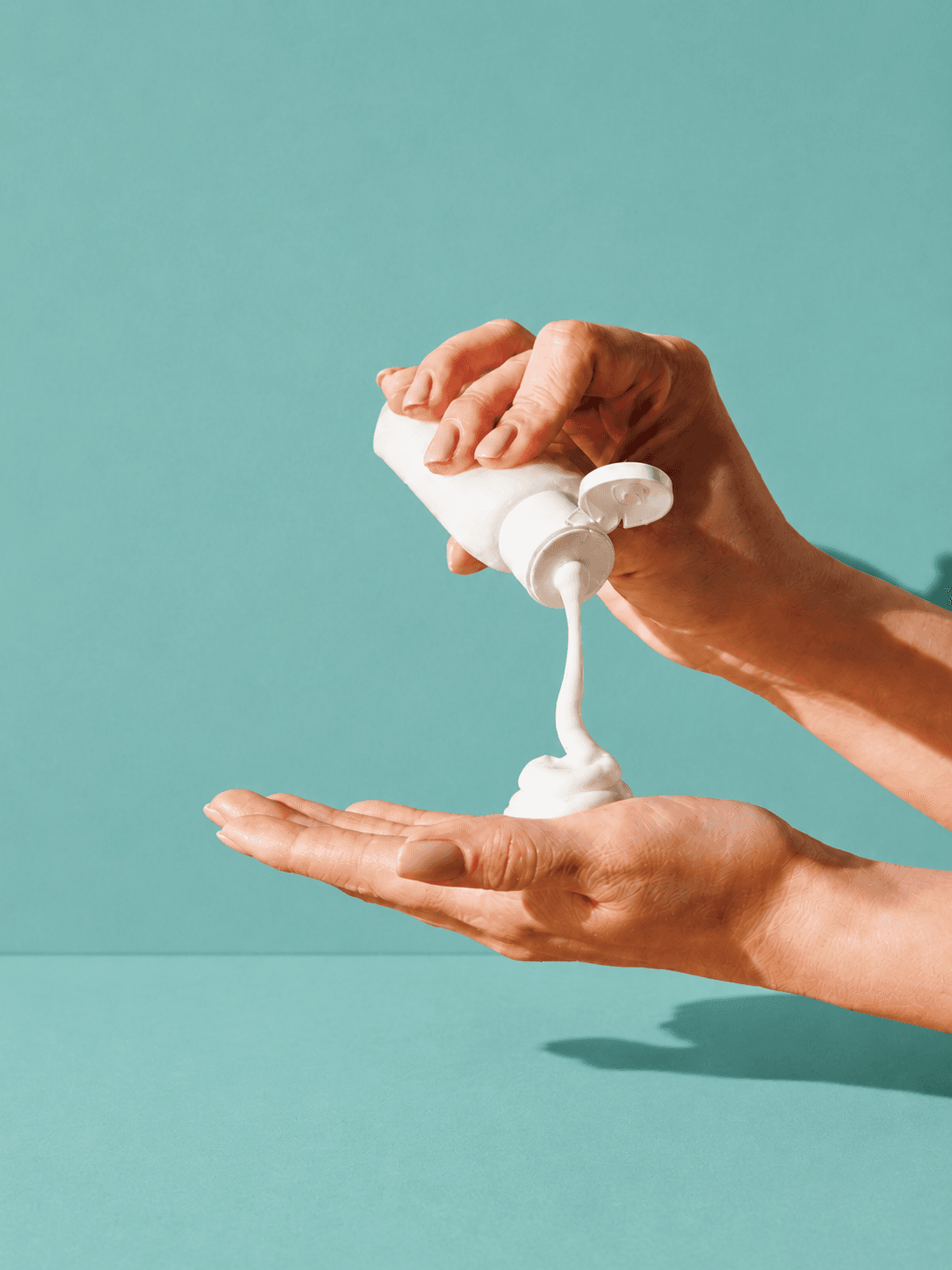
The Dermatologist's Overnight Hand Repair Method
Give dry, rough hands an overnight reset with a simple soak, moisturize, and cotton glove routine designed to help lock in hydration.

Simple Skincare Routine: Are You Using Too Many Products?
More skincare products don't always mean better results. Discover how a simple skincare routine may help reduce confusion, improve consistency, and make it easier to understand your skin's needs.
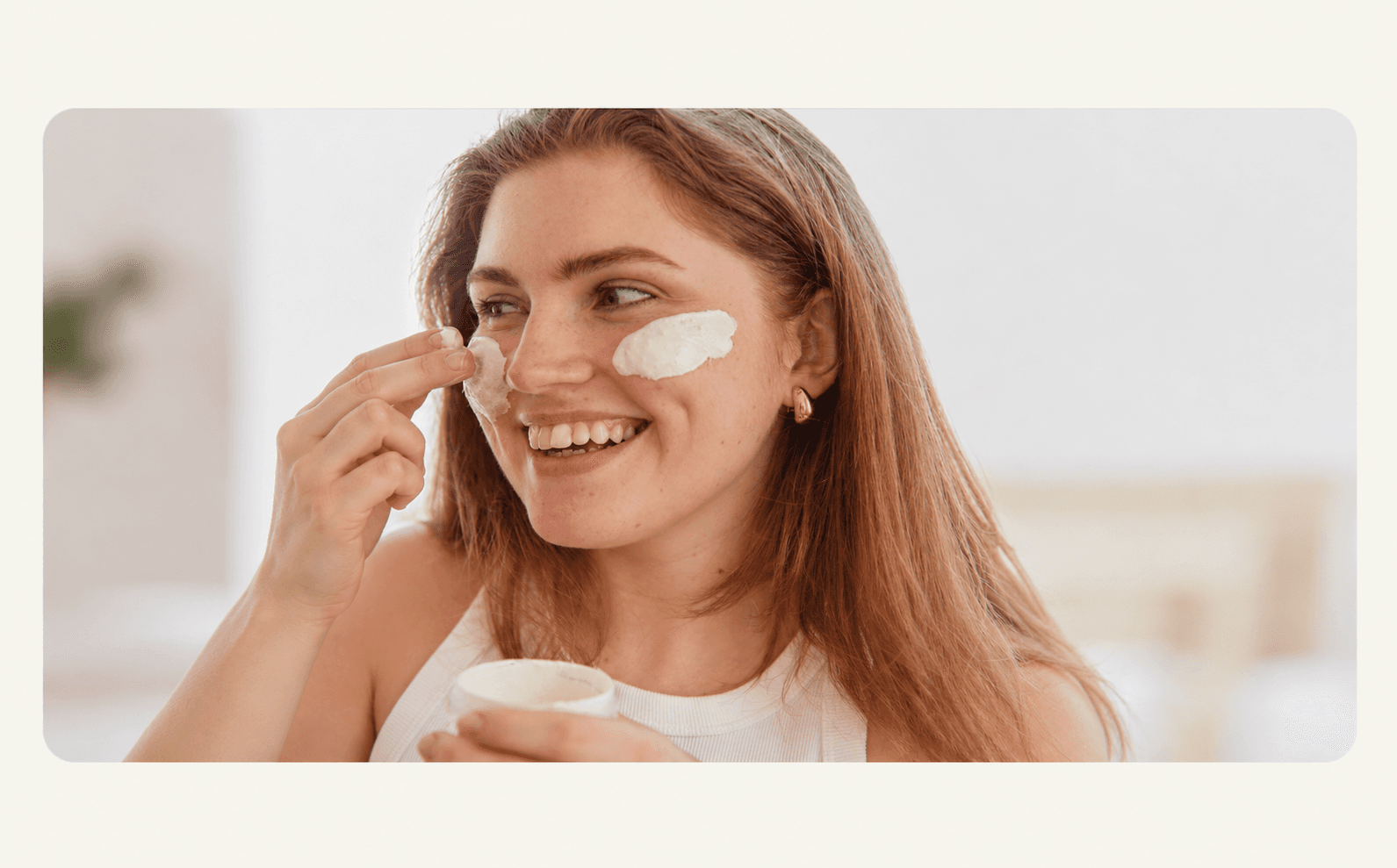
Myth #1: Oily Skin Doesn't Need Moisture
If your skin already feels oily, adding moisturizer might sound like the last thing you need. But oil and moisture tell two different stories.
 Telederm Clinical Team · Aug 24, 2026
Skin Purging vs Breakout: How to Tell the Difference
This article examines the differences between skin purging and acne breakouts, including commonly associated ingredients, expected symptom patterns, and factors dermatologists often consider during evaluation.
Telederm Clinical Team · Aug 6, 2026