
Adult Acne Treatment: Why Am I Suddenly Breaking Out?
Adult acne can appear long after the teenage years and may be influenced by factors such as hormones, stress, lifestyle changes, and skincare habits. Learn what may contribute to adult breakouts and when additional guidance may help.
 Medically reviewed byKnox Beasley, MD, FAADDermatologist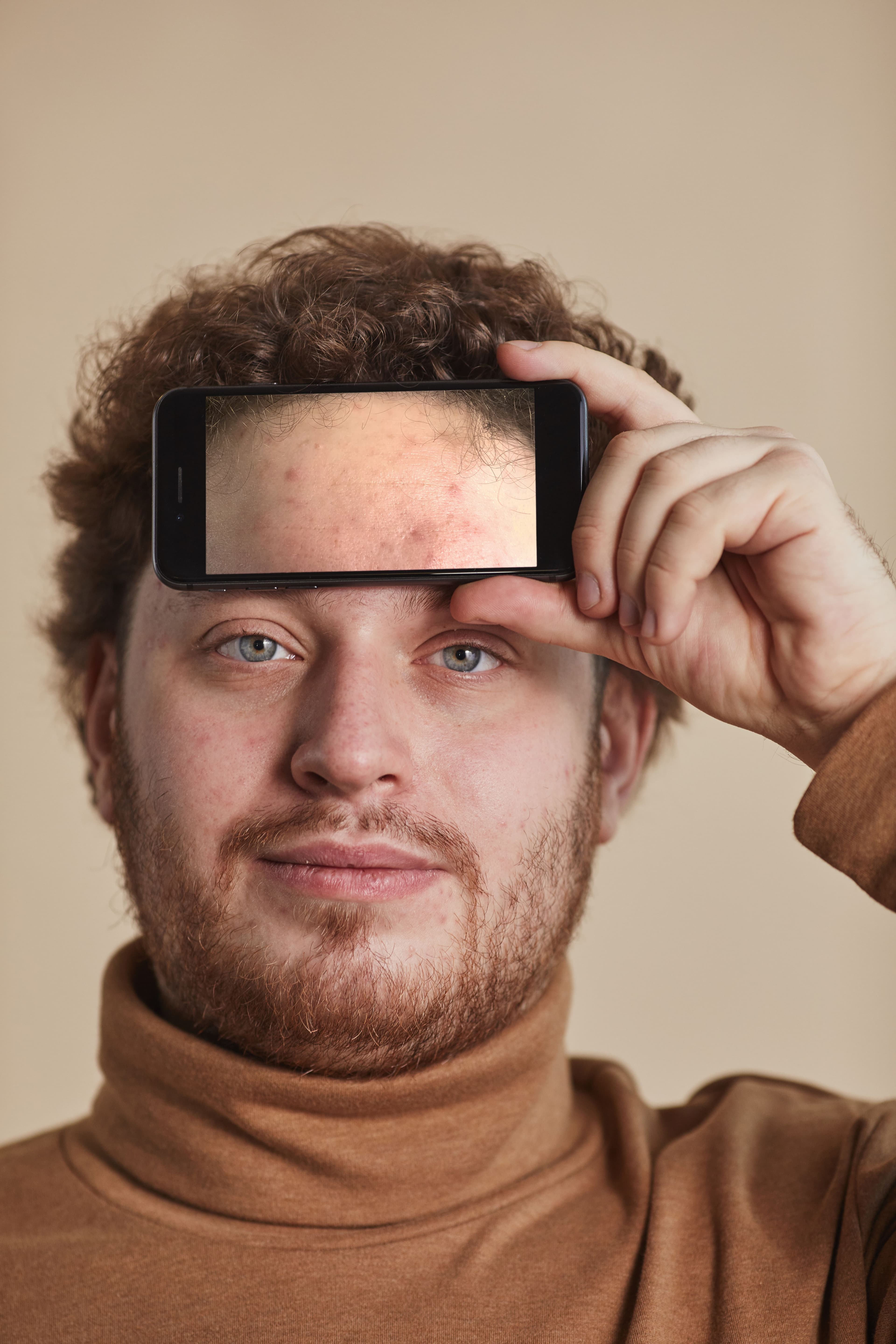
Why Am I Getting Acne as an Adult?
If you’ve been searching for adult acne treatment, you may be wondering why breakouts are suddenly appearing when you thought acne was something that was supposed to stay in your teenage years. For many adults, it can be really frustrating to develop acne seemingly out of nowhere, especially if you’ve never struggled with it before or haven’t experienced it in years.
The reality is that adult acne treatment is a common search topic because adult breakouts are actually more common than many people realize. While the causes can vary from person to person, there are several factors that may contribute to acne later in life.
In this guide, we’ll explore what adult acne is, common factors that may contribute to breakouts, why acne can sometimes look different in adults, and what steps may help you better understand what’s happening with your skin.
Can Adult Acne Appear Suddenly?
In some cases, yes, it can.
Many people associate acne with adolescence, but breakouts can occur well into adulthood. Some people experience acne continuously from their teenage years, while others may notice symptoms appearing for the first time later in life.
Because many factors can influence the skin, there’s not always a clear explanation for why you may be experiencing adult acne. This is one reason people searching for adult acne treatment often find themselves looking for answers about both causes and possible next steps they can take.
What is Adult Acne?
Adult acne generally refers to acne that occurs in someone after the age of 25. Adult acne affects both men and women, though it tends to be more common in women.
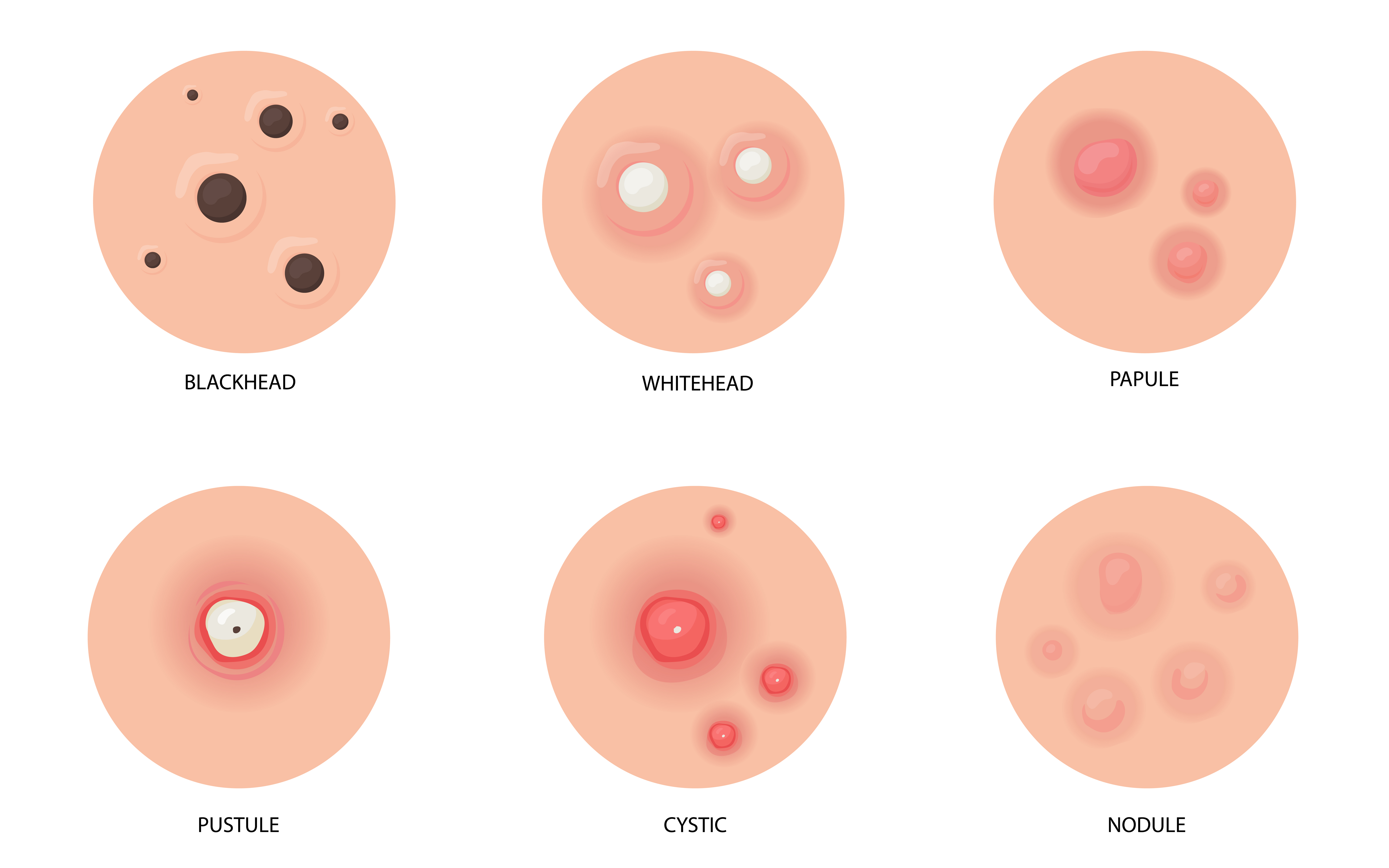
Like other forms of acne, it can involve different types of cysts, including:
● Blackheads
● Whiteheads
● Papules
● Pustules
● Deeper inflamed cysts
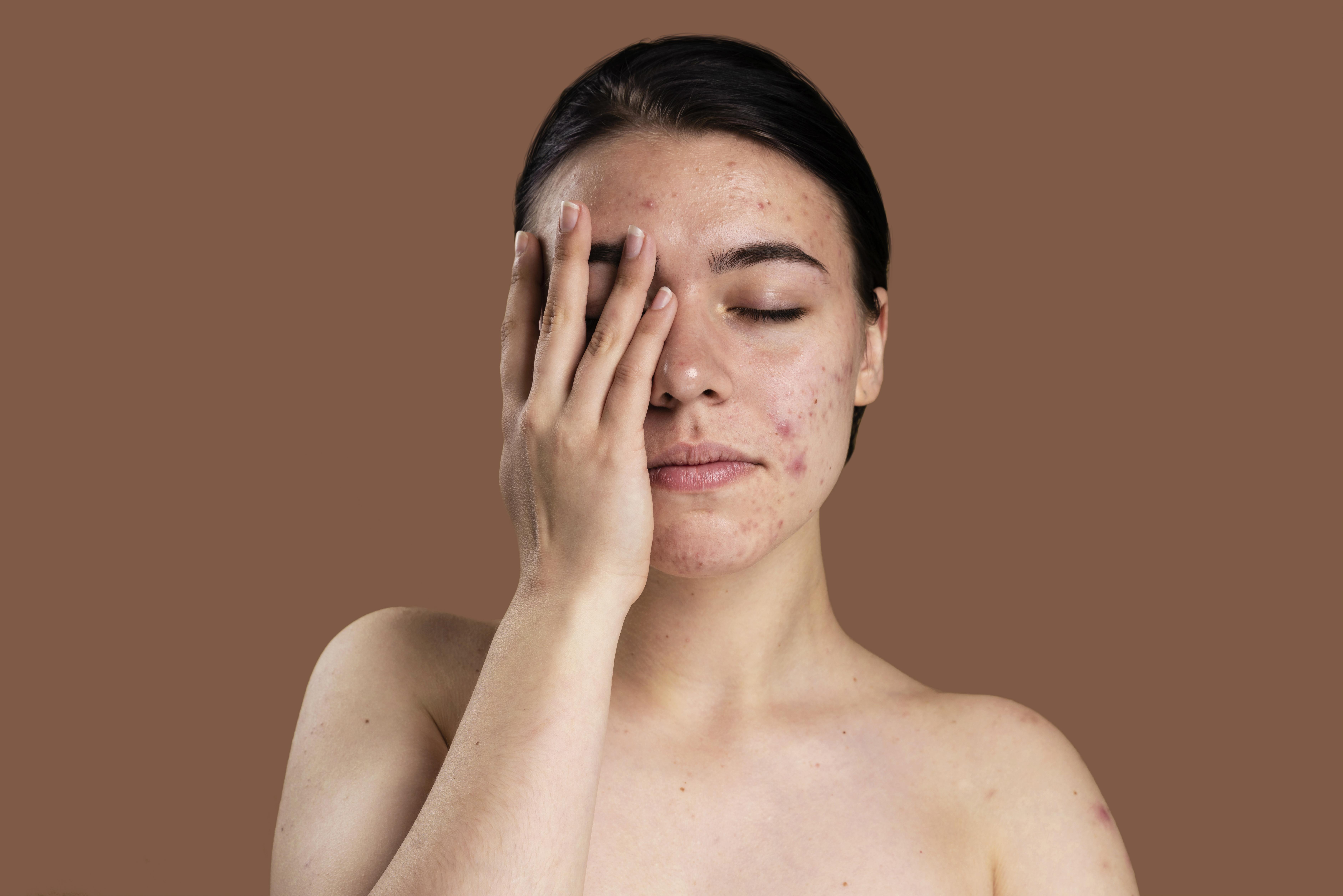
Adult acne often appears on areas such as:
● The chin
● The jawline
● The lower cheeks
● The neck
However, breakouts can appear in other locations as well.
People researching adult acne treatment are often surprised when they learn that adult acne can affect individuals with different skin types, including those who previously had relatively clear skin.
Common Factors That May Contribute to Adult Acne
Several factors may play a role in adult acne breakouts.
Hormonal Changes
Hormonal fluctuations are often part of discussions surrounding adult acne, and they can play a role for both men and women.
In women especially, skin changes are sometimes noticed during:
● Menstrual cycles
● Pregnancy
● Perimenopause
● Menopause
● Other periods of hormonal change
Hormones such as androgens influence oil production in everyone, which is one way they can contribute to breakouts. While women tend to experience more of these cyclical hormonal shifts, men can also develop adult acne influenced by hormonal and other factors. In some cases, persistent hormonal breakouts in women can also be associated with underlying conditions such as polycystic ovary syndrome (PCOS), which is one reason a professional evaluation can sometimes be helpful.
Stress
Stress is another factor frequently discussed when exploring adult acne treatment.
While stress itself may not affect everyone’s skin in the same way, some people report noticing changes in their skin when they’re going through particularly stressful periods in their lives.
Lifestyle Changes
Changes in routine, sleep patterns, travel, work schedules, and daily habits can sometimes coincide with changes in the skin.
Because multiple factors may be involved, it can sometimes be difficult to identify a single trigger of adult acne.
Genetics
Family history may also play a role here. Some individuals may be more prone to experiencing acne than others, especially if acne is prominent in their families.
Environmental Factors
Climate, humidity, pollution, and other environmental influences are sometimes discussed as contributing factors when evaluating skin concerns. These factors are frequently implicated in regards to pinpointing the causes of adult acne.
Medications
Certain medications can contribute to or worsen breakouts in some people. If your acne began around the time you started a new medication, that timing can be worth mentioning during a professional evaluation.
Why Adult Acne Can Feel Different From Teenage Acne
One reason people often search for adult acne treatment is that adult breakouts may not always look or feel the same as the acne you may have experienced during adolescence.
Some adults notice:
● Breakouts concentrated around the jawline
● Deeper nodules
● Skin that feels both dry and acne-prone
● Increased sensitivity to skincare products
In some cases, adult acne may appear alongside other skin concerns, which can make it more difficult to understand exactly what the skin is responding to.
This can make online advice feel overwhelming, especially when different sources recommend completely different approaches.
Common Habits That Can Make Breakouts More Difficult to Understand
When breakouts appear unexpectedly, many people understandably want to solve the problem as quickly as possible.
However, certain habits can sometimes make it harder to identify what may be contributing to the issue.
Examples of these habits include:
● Switching skincare products too frequently
● Introducing several new products at once
● Over-exfoliating the face or body
● Using multiple active ingredients together, usually layered
● Following conflicting skincare advice online, especially advice from influencers
When multiple changes are happening simultaneously, it can become more difficult to understand how your skin is responding and to what it is actually responding.
People searching for adult acne treatment often find themselves caught in a cycle of trying new products without properly or clearly understanding what exactly may be contributing to their breakouts.
Can Skincare Products Contribute to Breakouts?
This is a very common question. Skincare products work differently for different individuals.
A product that feels helpful for one person may not feel like the right fit for someone else.
Some situations that may create confusion include:
● Using too many skincare products at once
● Introducing active ingredients into your skincare routine too quickly
● Frequently changing routines without giving the previous routine enough time to work
● Layering multiple treatments together
This does not automatically mean that a product is causing breakouts. However, it highlights why understanding the broader picture can sometimes be helpful when evaluating skin concerns.
When discussing adult acne treatment, it is important to remember that there is rarely a one-size-fits-all solution. Every skin type is different. Every acne subtype is different. And thus, every adult acne treatment plan is different.
Why Adult Acne Treatment Can Look Different for Different People
One reason adult acne treatment can feel confusing is that the factors contributing to breakouts are not always the same from person to person.
Two people may experience symptoms that can look similar while having completely different contributing factors behind them.
This is one reason treatment approaches may vary depending on an individual’s skin concerns, medical history, lifestyle factors, genetics, and overall presentation.
Rather than focusing only on individual nodules, it can sometimes be helpful to look at broader patterns and recurring triggers.
What Adult Acne Treatment Can Involve
Because the factors behind adult acne vary so much from person to person, there isn't a single approach that works for everyone. When treatment is appropriate, a board-certified dermatologist licensed in your state reviews your specific situation and determines what, if anything, may be a good fit.
Depending on the individual, a dermatologist may consider options such as:
● Topical treatments applied directly to the skin
● Oral medications, in certain cases
● Adjustments to your daily skincare routine
The right approach depends on factors like your skin type, the kind of acne you're experiencing, your medical history, and how your skin has responded to things you've tried before. What works well for one person may not be appropriate for another, which is why any plan is based on the dermatologist's clinical judgment rather than a fixed formula.
On Telederm platform, some treatments may be prepared as compounded formulations based on the details of your prescription. Whether that's appropriate is always determined by the prescribing dermatologist after reviewing your visit.
The goal of any plan is to address your specific concerns in a way that fits your skin — something best determined through a professional evaluation rather than ongoing trial and error on your own.
When Additional Guidance May Help
There are situations where additional guidance may feel helpful, particularly when breakouts become persistent or difficult to understand.
Examples of these instances may include:
● Breakouts that are continuing over time
● You have tried multiple products without clarity, and nothing seems to ever work
● Symptoms seem to return repeatedly
● You feel uncertain about what may be contributing to your skin concerns
Skin concerns can sometimes involve multiple factors, which can make ongoing trial and error frustrating.
Understanding Your Next Step
For people looking for additional guidance, Telederm offers an online process designed to make dermatology care easier to access.
Patients can:
● Select their skin concern
● Complete guided questions
● Upload photos
● Have their case reviewed by a board-certified dermatologist licensed in your state
If treatment is medically appropriate, the dermatologist may recommend a personalized plan based on the details of the visit.
If you’d like to learn more about Telederm and the approach behind the platform, you can learn more on our About page. You can also explore our services to learn more about the skin concerns and treatment areas currently supported through the platform.
Understanding the Bigger Picture Behind Adult Acne Breakouts
When people search for adult acne treatment, they’re often looking for more than just a quick fix. They’re trying to understand why their skin is changing and what factors may be contributing to those specific changes.
While adult acne can feel frustrating, understanding common contributing factors, recognizing patterns, and taking a more informed approach can sometimes make it easier to navigate the next steps.
The goal isn’t necessarily to find an immediate answer, but to more clearly understand what your skin may be experiencing and what options may be available moving forward.
Knox Beasley, MD, FAAD
Dermatologist · Tulane University School of Medicine
Acne, Rosacea, Scalp conditions
A board-certified dermatologist can treat your acne — start today.
$45 per medical visit: a board-certified dermatologist reviews your skin and builds a custom prescription plan.
Keep reading.
All in Acne →
Rosacea vs Acne: How Can You Tell the Difference?
Redness. Bumps. Sensitive skin. Breakouts that don't seem to go away. If you've been trying to figure out whether you're dealing with acne, rosacea, or...
Dandruff vs Seborrheic Dermatitis: Key Differences
Dandruff and seborrheic dermatitis can cause similar symptoms, but they aren't exactly the same. Learn the key differences, common causes, and when professional support may help.
A GLP-1 Can Change More Than the Number on the Scale
Significant weight loss can bring changes beyond the number on the scale. Learn about common skin and hair changes—including hair shedding, dry skin, and changes in facial appearance—and discover simple ways to support healthy-looking skin throughout your weight-loss journey.
Hair Shedding vs Hair Loss: What's the Difference?
Noticing more hair in your brush or shower drain? Learn the differences between hair shedding and hair loss, common causes, and signs that may help you better understand what's happening.