
Healthy Hair Starts at the Scalp: Are You Taking Care of Yours?
We spend plenty of time caring for our hair, but what about the skin underneath it? Discover why scalp health matters, what scalp massage can and can't do, and how cleansing, moisturizing, and gentle exfoliation fit into a healthy hair-care routine.
 Written byTelederm Clinical Team, MD | RPh | PharmD | FAAD: Madison M.Dermatology & Clinical Content Team

We condition our ends, protect our strands from heat, and invest in products promising stronger, shinier hair. But there's one part of our hair-care routine that rarely gets the same attention: the scalp.
Beneath all that hair is living skin, complete with oil glands, blood vessels, and hair follicles. And while beautiful hair doesn't require an elaborate scalp-care ritual, maintaining a healthy scalp is an important part of maintaining healthy hair.
So, what does your scalp actually need?
Your Scalp Is More Than Just Where Hair Grows
Every strand of hair originates from a follicle embedded in the skin. These follicles depend on a surrounding network of blood vessels for oxygen and nutrients, while the scalp itself produces natural oils that help protect the skin.
Like the rest of your skin, your scalp can experience dryness, irritation, inflammation, and buildup.
And those issues aren't always just cosmetic.
Certain scalp conditions, including psoriasis and other inflammatory disorders, can contribute to temporary hair shedding or hair loss. Persistent inflammation and scratching can also make an already uncomfortable scalp worse.
Caring for your scalp won't prevent every type of hair loss, particularly when genetics or hormonal changes are involved. But maintaining scalp health is a worthwhile part of protecting the environment in which your hair grows.
Scalp Massage: Does Better Circulation Mean Better Hair Growth?
Scalp massage is often promoted as a way to stimulate blood flow, deliver more oxygen to hair follicles, and encourage thicker hair.
There's some interesting science behind the idea, but it's worth separating what's possible from what's proven.
Hair follicles rely on blood circulation, and gentle massage may temporarily influence local blood flow. However, there's limited evidence that scalp massage meaningfully increases hair growth in humans.
One small study involving nine men found an increase in hair-shaft thickness after 24 weeks of daily scalp massage. It did not demonstrate a significant improvement in hair growth rate.
And what about that feeling of having a tight scalp?
Scalp tightness can be related to irritation, sensitivity, or physical tension, but it doesn't necessarily mean your hair follicles are being deprived of oxygen.
Still, a gentle massage with your fingertips can feel relaxing and makes a pleasant addition to wash day. Just avoid aggressive rubbing, scratching, or pulling at the hair.
Cleansing and Exfoliation: Keeping Buildup Under Control
Your scalp naturally produces oil and sheds dead skin cells. Add styling products, dry shampoo, and everyday buildup, and it's easy to understand why regular cleansing matters.
Shampoo helps remove excess oil and residue, but how frequently you wash should depend on your scalp's needs and hair type.
An oily scalp may benefit from more frequent washing, while someone with coarse, curly, or particularly dry hair may need a different schedule.
What about scalp exfoliation?
Exfoliating products can help remove surface buildup, but they're not a requirement for everyone. In fact, aggressive scrubs and stiff scalp brushes may cause more irritation than benefit, especially if your scalp is already inflamed.
If you're experiencing persistent flakes or thick scaling, the answer may be a medicated shampoo rather than an exfoliating scrub.
The goal isn't to scrub your scalp into submission. It's to keep it clean without unnecessarily irritating the skin.
Don't Forget About Scalp Moisture
We rarely forget conditioner for our hair, yet a dry, uncomfortable scalp can go unnoticed until itching or flaking begins.
Cold weather, low humidity, harsh cleansing products, and certain styling habits can contribute to scalp dryness.
If your scalp feels tight, itchy, or flaky, switching to a gentler shampoo may help. Some people may also benefit from a lightweight, scalp-appropriate moisturizing product.
But here's where understanding the cause matters.
Dry scalp and dandruff aren't necessarily the same thing. Dandruff is often associated with oily skin and seborrheic dermatitis, and it may require a medicated shampoo rather than additional moisturizing products.
Applying heavy oils to every itchy scalp isn't automatically the solution, either. Certain products can contribute to buildup or aggravate particular scalp conditions.
As with facial skincare, the best approach depends on what your skin actually needs.
The Healthiest Hair Routine Starts Beneath the Surface
Scalp care doesn't need to involve an elaborate collection of serums, oils, exfoliators, and massage tools.
For many people, it comes down to a few consistent habits: cleansing appropriately, avoiding unnecessary irritation, managing dryness, and paying attention when something feels wrong. Understanding how coloring and bleaching affect your strands can also help you make more informed choices about your hair-care routine.
Persistent itching, significant scaling, painful bumps, or unusual hair shedding shouldn't be dismissed as ordinary buildup. These symptoms can signal conditions that deserve dermatologic evaluation.
Healthy hair involves more than what we do to the strands we can see. Sometimes, taking better care of your hair starts with paying attention to the skin beneath it.
Telederm Clinical Team, MD | RPh | PharmD | FAAD
Dermatology & Clinical Content Team · Telederm.me
Keep reading.
All in Hair →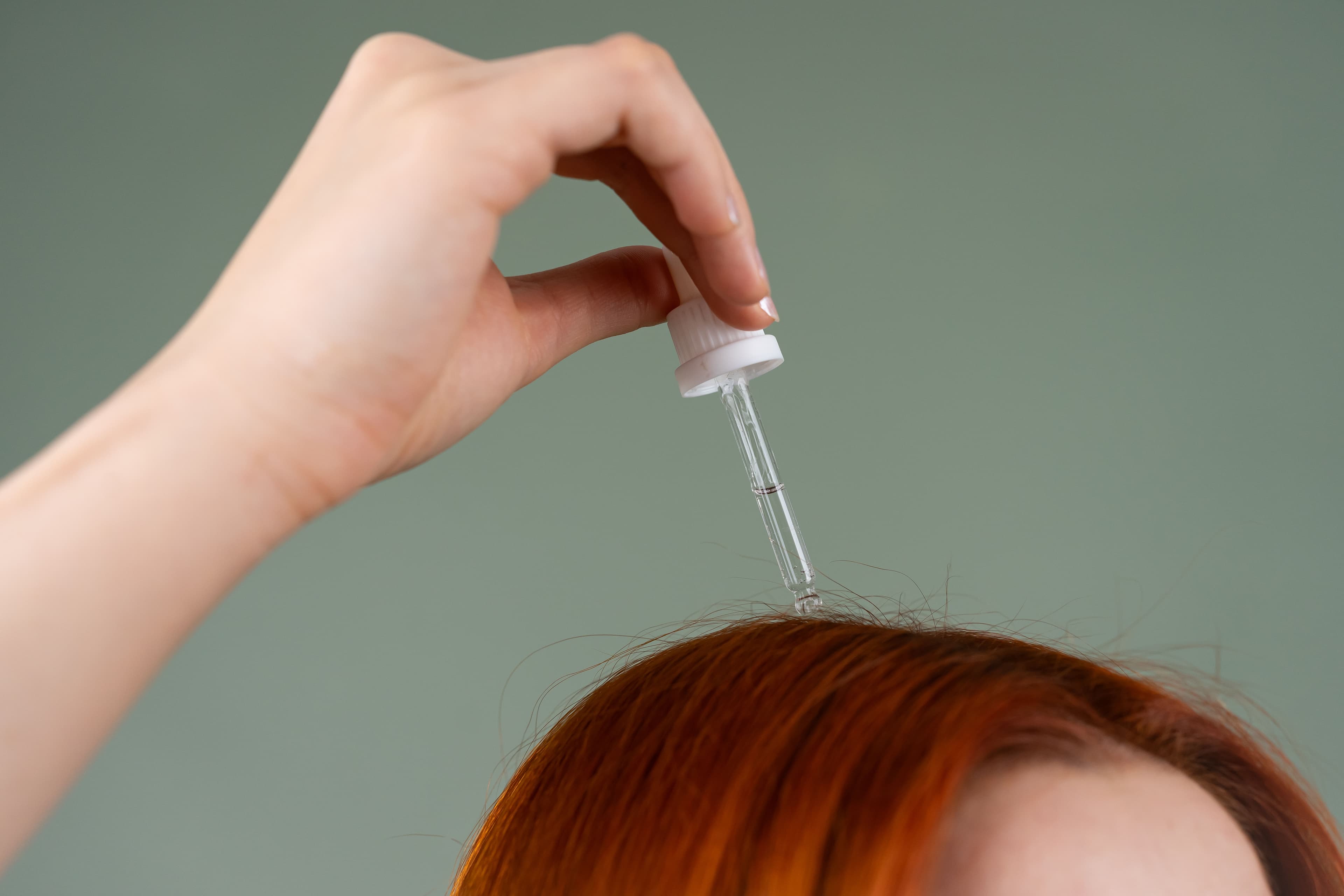
Dandruff vs Seborrheic Dermatitis: Key Differences
Dandruff and seborrheic dermatitis can cause similar symptoms, but they aren't exactly the same. Learn the key differences, common causes, and when professional support may help.
Are You Layering Your Skincare in the Right Order?
Does serum go before toner? Where does facial oil belong? And what happens when prescription skincare enters the routine? Here's a practical guide to layering your products without turning your bathroom counter into a chemistry experiment.
Telederm Clinical Team · Oct 28, 2026
Why Your Sunscreen Leaves a White Cast (And How to Avoid It)
Does your sunscreen leave behind a chalky, white, or grayish residue? Discover why mineral sunscreens can create a white cast, how tinted formulas can help, and simple ways to find sun protection that looks and feels better on your skin.
Telederm Clinical Team · Oct 28, 2026
Can Hair Dye Cause Hair Loss? How to Prevent Damage
Is your latest hair color responsible for thinning or breakage? Bleaching and coloring can weaken hair strands, but that doesn't always mean you're losing hair from the root. Learn how chemical treatments affect your hair and scalp, how to reduce damage, and what to know if you're using topical hair-growth medications.
Telederm Clinical Team · Oct 28, 2026